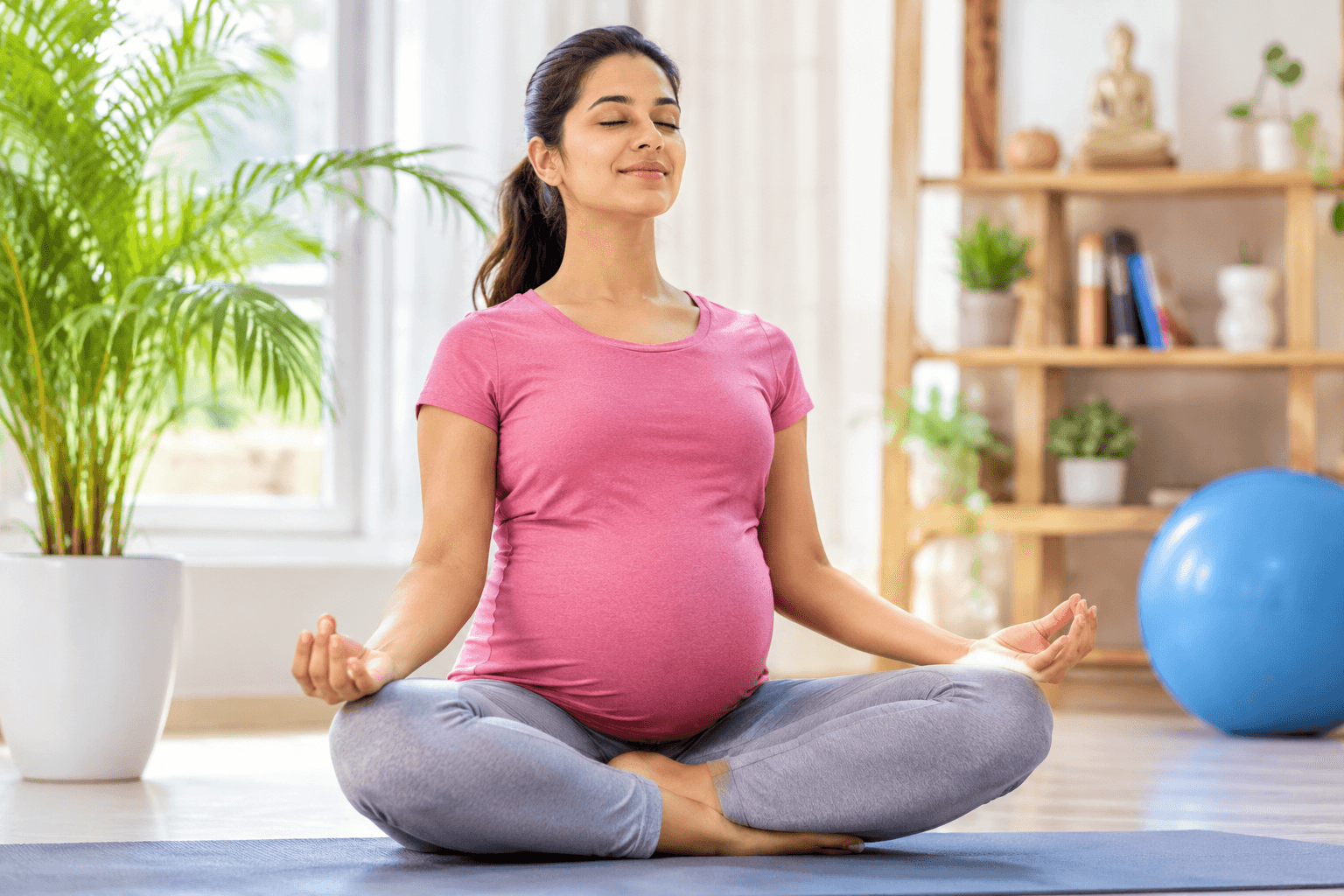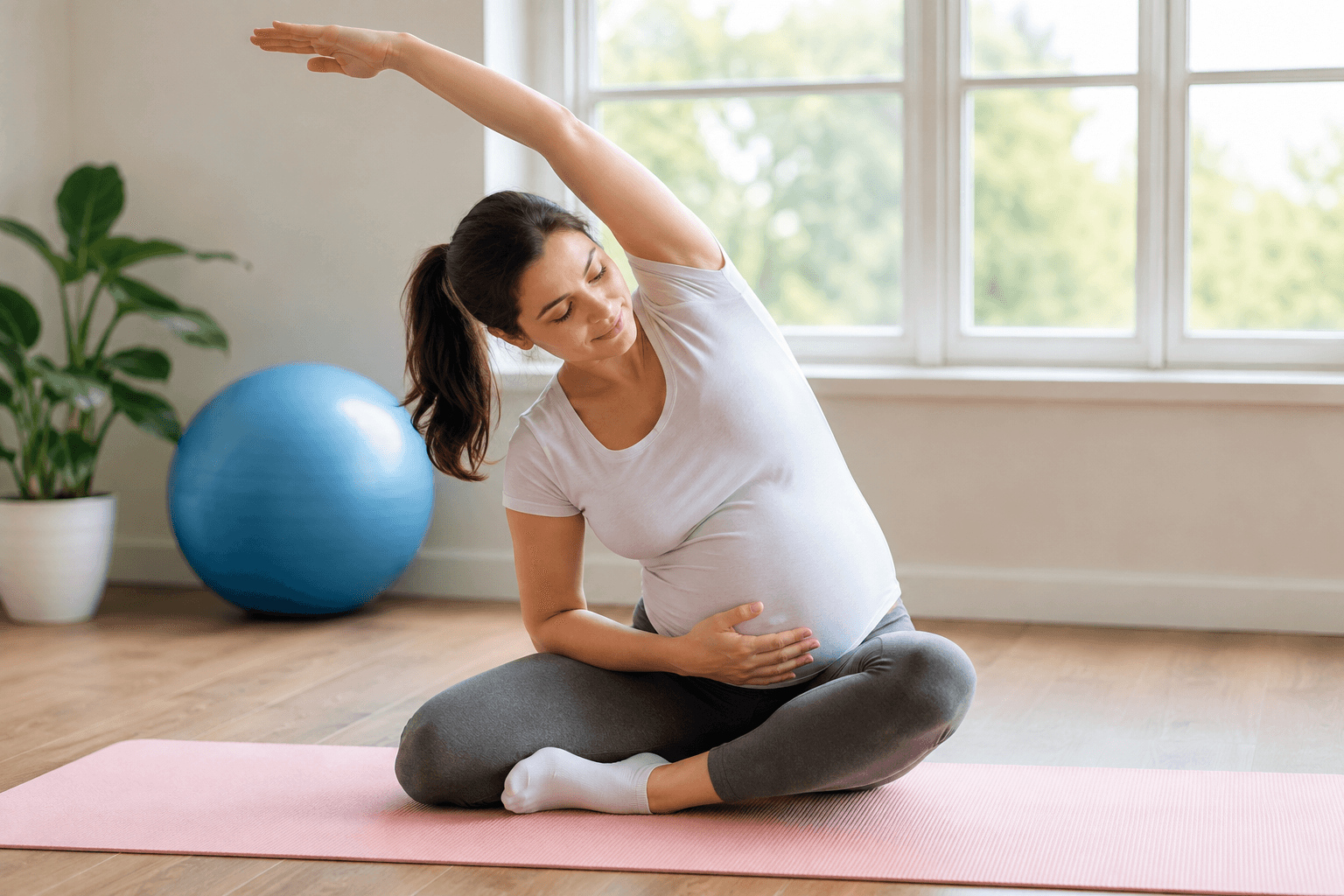
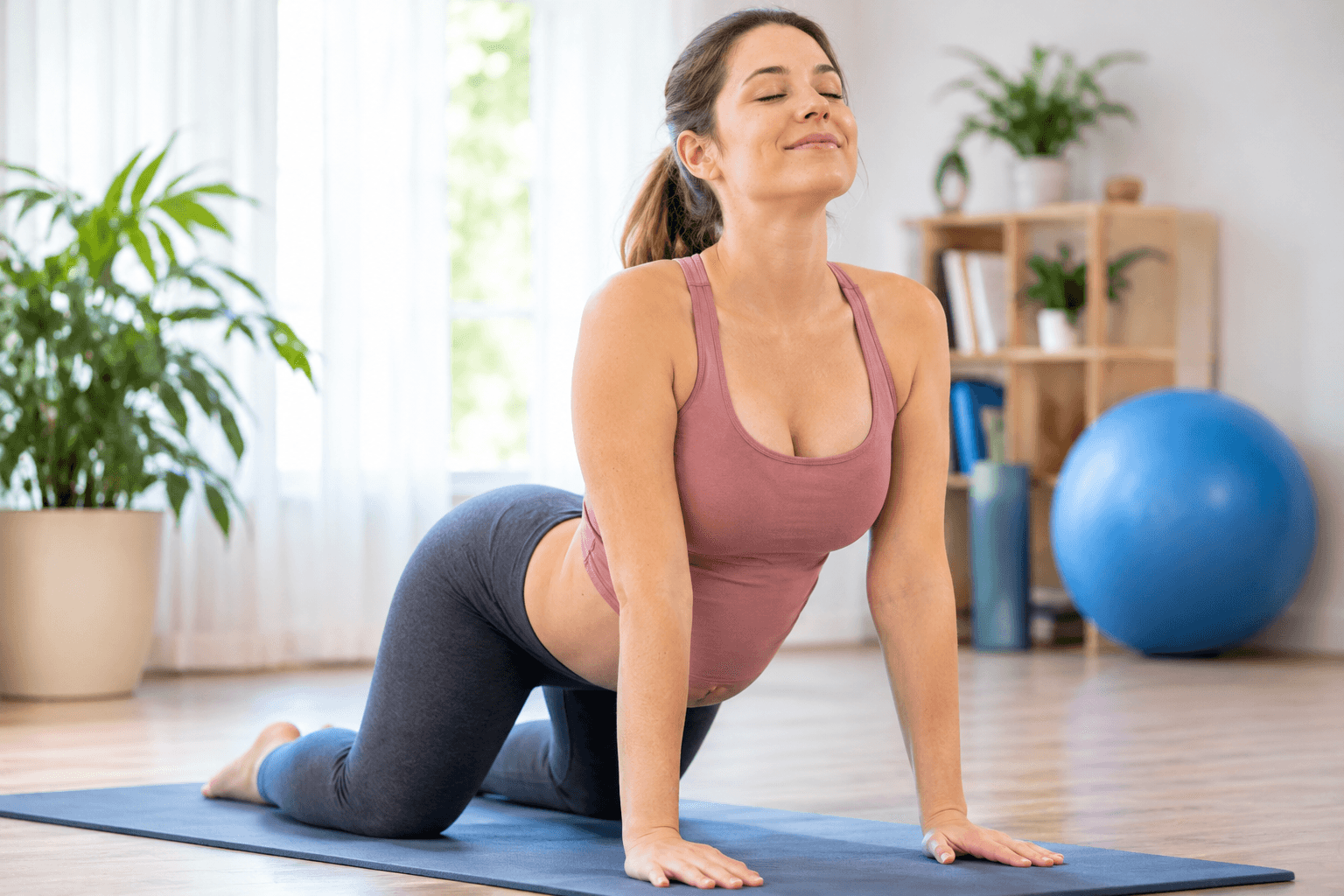
Preparing for pregnancy involves more than nutrition and tracking ovulation. It is also a good time to understand your pelvic floor and build healthy movement habits. These muscles support the bladder, uterus, and bowel, while also playing an important role in posture, breathing, and pelvic stability.
Yoga can be a gentle way to become more aware of this area. Certain asanas encourage hip mobility, comfortable stretching, and better coordination between breathing and pelvic floor muscles. The goal is not simply to make these muscles stronger. They also need to relax and lengthen naturally.
Here are some gentle movements you can explore as part of your pre-pregnancy wellness routine.
Why Pelvic Floor Health Matters Before Pregnancy
The pelvic floor is a group of muscles and connective tissues that form a supportive base across the pelvis. These muscles help control bladder and bowel function, support pelvic organs, and contribute to sexual function and core stability.
During pregnancy, the pelvic floor experiences increasing pressure as the body changes. Birth can also place considerable demands on these muscles.
Preparing before pregnancy can help you become familiar with how to contract and relax them. However, more strengthening is not always better. Some women have an overly tight or sensitive pelvic floor, where relaxation and coordination are just as important as strength.
1. Butterfly Pose (Baddha Konasana)
Why try it: This seated posture gently encourages movement around the inner thighs and hips.
Sit comfortably with your back upright and bring the soles of your feet together. Allow your knees to move outward naturally, without pushing them toward the floor. Hold your feet or ankles and breathe slowly.
Stay for 30–60 seconds, provided the position feels comfortable. Keep your shoulders relaxed and avoid bouncing your knees.
Butterfly pose is often included in gentle yoga routines because it encourages hip mobility. It does not directly strengthen the pelvic floor, but it can help you become more comfortable with movement around the pelvis.
2. Cat-Cow Pose (Marjaryasana-Bitilasana)
Why try it: It encourages gentle spinal movement and coordination with breathing.
Begin on your hands and knees, keeping your wrists below your shoulders and knees below your hips.
As you inhale, gently lift your chest and allow your back to move into a comfortable arch. As you exhale, round your spine gently and draw your abdomen inward without straining.
Repeat slowly for five to eight rounds.
Pay attention to how your pelvic area responds as your spine moves. Keep the movement smooth rather than forcing a deep stretch.
3. Supported Malasana (Garland Pose)
Why try it: This modified squat encourages comfortable hip and ankle mobility.
Stand with your feet slightly wider than hip-width apart. Slowly lower into a squat only as far as feels comfortable. Place a yoga block or folded cushion beneath your hips for support if needed.
Bring your hands together near your chest and breathe naturally. Allow your pelvic floor to soften as you inhale rather than deliberately pushing downward.
Hold for a few comfortable breaths, then slowly return to standing.
Deep squats are not suitable for everyone, particularly women with knee, hip, or pelvic pain. A supported version is often easier to manage.
4. Bridge Pose (Setu Bandhasana)
Why try it: It works the gluteal muscles and supports general hip and core strength.
Lie on your back with your knees bent and feet resting on the floor, approximately hip-width apart. Keep your arms beside your body.
As you exhale, gently lift your hips while keeping your shoulders relaxed. Avoid arching your lower back excessively. Inhale as you slowly lower your hips.
Repeat five to eight times.
Focus on controlled movement rather than lifting as high as possible. If lying on your back causes discomfort, choose another comfortable exercise.
5. Child's Pose (Balasana)
Why try it: This resting posture encourages relaxation and gentle movement through the hips and lower back.
Kneel on a yoga mat and bring your knees comfortably apart. Slowly lower your upper body toward the floor, resting your forehead on a cushion or folded blanket if needed.
Allow your arms to rest forward or alongside your body. Breathe slowly and imagine the pelvic floor softening as you inhale.
Stay for 30–60 seconds without forcing your hips toward your heels.
6. Diaphragmatic Breathing
Breathing deserves a place in pelvic floor care because the diaphragm and pelvic floor work together during normal breathing.
Sit or lie in a comfortable position. Place one hand on your chest and another on your lower ribs or abdomen.
Inhale gently, allowing your lower ribs and abdomen to expand. Notice the pelvic floor softening naturally. As you exhale, allow your body to settle without forcefully squeezing your abdominal muscles.
Continue for two to three minutes.
This simple practice can help develop awareness of the relationship between breathing and pelvic floor movement.
Creating a Gentle Pre-Pregnancy Routine
You do not need a long or demanding yoga session to begin. A simple routine of 10–15 minutes can include:
- Two minutes of comfortable breathing.
- Five rounds of Cat-Cow.
- One minute of Butterfly Pose.
- Five supported Bridge Pose repetitions.
- A few comfortable breaths in Supported Malasana.
- One minute of Child's Pose.
Move slowly, stay hydrated, and avoid forcing stretches. If an exercise causes pain, pressure, dizziness, or discomfort, stop and seek appropriate guidance.
When to Seek Professional Guidance
If you experience pelvic pain, painful intercourse, urinary leakage, constipation, or a persistent feeling of tightness, consider speaking with a qualified Health Care Provider or pelvic floor physiotherapist. These symptoms may need individual assessment rather than more strengthening exercises.
Regular physical activity can support general health, but yoga has not been proven to improve fertility or guarantee an easier birth. The American College of Obstetricians and Gynecologists supports appropriate physical activity as part of a healthy lifestyle, with exercise choices adapted to individual medical needs.
Building a relationship with your body before pregnancy is a valuable form of self-care. Gentle asanas, mindful breathing, and balanced pelvic floor training can help you develop greater awareness of movement, strength, and relaxation. At Clinique Molière in Brea, CA, women can explore holistic women's wellness and supportive care as they prepare for pregnancy. To learn more about available services and discuss your wellness goals, call (714) 948-5655 and take a gentle, informed step toward caring for your body.