Staying physically active during pregnancy can be an important part of maintaining overall health and wellbeing. For many women with healthy pregnancies, regular, moderate exercise can support cardiovascular fitness, muscle strength, emotional wellness, sleep, and preparation for the physical demands of labor and postpartum recovery.
At the same time, pregnancy changes your body throughout each trimester. Your balance, energy levels, joints, circulation, and center of gravity all change, so exercise routines often need to be adjusted as pregnancy progresses.
For expectant mothers in Brea, California, personalized prenatal guidance can help you choose activities that are appropriate for your individual pregnancy, fitness level, and health needs.
Is Exercise Safe During Pregnancy?
For most women with uncomplicated pregnancies, physical activity is considered safe and beneficial. However, pregnancy is not the time to begin an intense new fitness program without professional guidance.
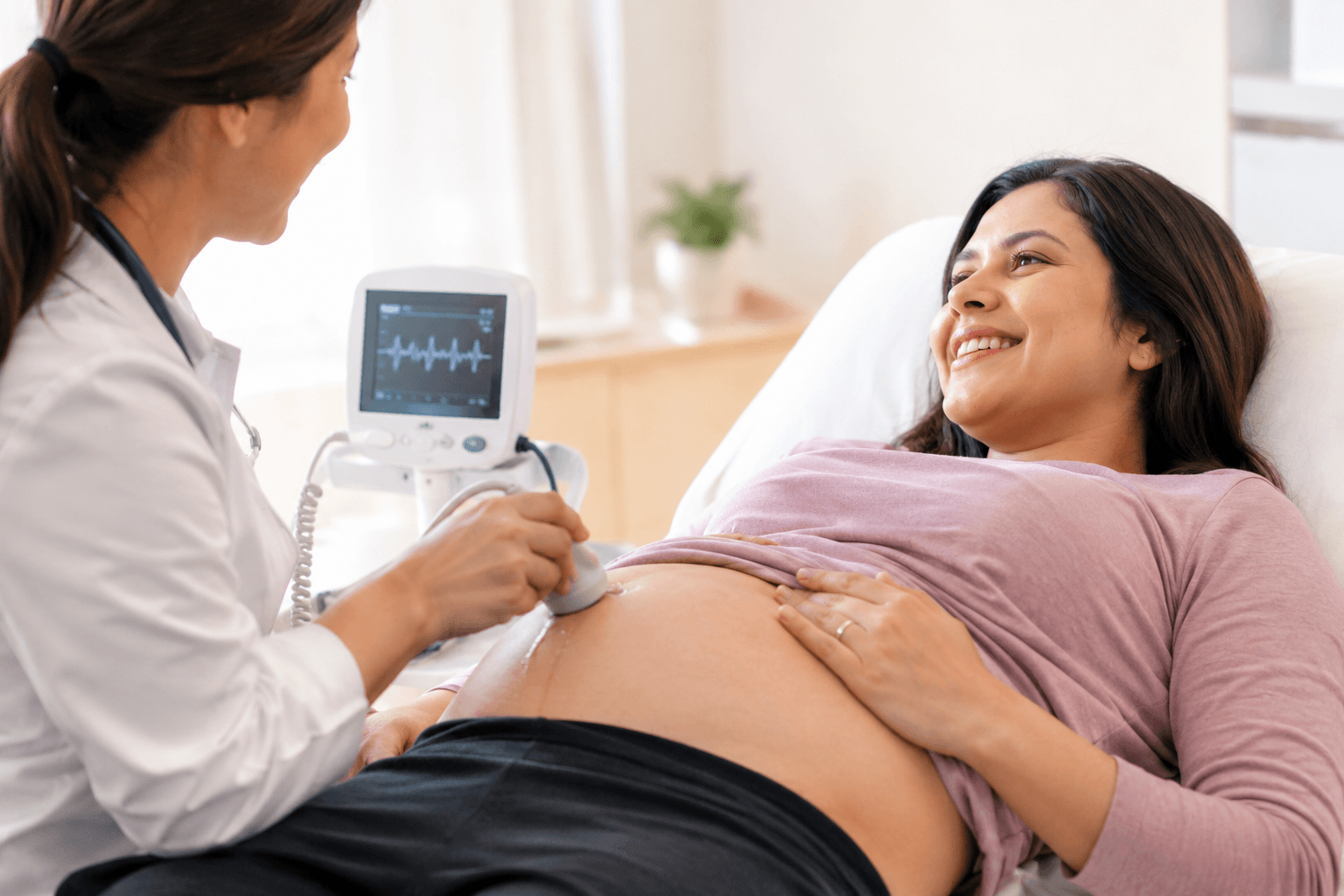
Before starting or changing your exercise routine, talk with your Health Care Provider or Holistic Care Provider. You may need specific modifications if you have pregnancy complications or certain medical conditions.
Your provider can help you determine:
- Which activities are appropriate
- How intensely you should exercise
- How often you can exercise
- Which movements should be modified or avoided
- When you should stop exercising
Benefits of Exercise During Pregnancy
Regular physical activity can offer benefits for both physical and emotional wellbeing.
Supports Cardiovascular Health
Walking, swimming, and other moderate aerobic activities can help maintain cardiovascular fitness during pregnancy.
Strengthens Muscles
Strength exercises can help maintain the muscles needed to support your changing body.
Helps Manage Common Discomforts
Appropriate movement may help reduce some pregnancy-related discomforts, including:
- Back discomfort
- Constipation
- Muscle stiffness
- Mild swelling
- Fatigue
Supports Emotional Wellness
Physical activity may also help reduce stress and improve mood and sleep.
Prepares the Body for Labor
Maintaining strength, mobility, endurance, and body awareness can help you feel physically prepared for labor, although exercise cannot guarantee a particular labor outcome.
Safe Exercise Options During Pregnancy
The best activity is one that feels comfortable and has been approved for your pregnancy.
Walking
Walking is one of the simplest ways to stay active.
You can adjust the pace and duration according to your energy level. Comfortable walking shoes and safe, relatively even surfaces can help reduce fall risks.
Swimming
Swimming and water-based exercise can be particularly comfortable as pregnancy progresses.
The water helps support your growing body while reducing stress on your joints.
Prenatal Yoga
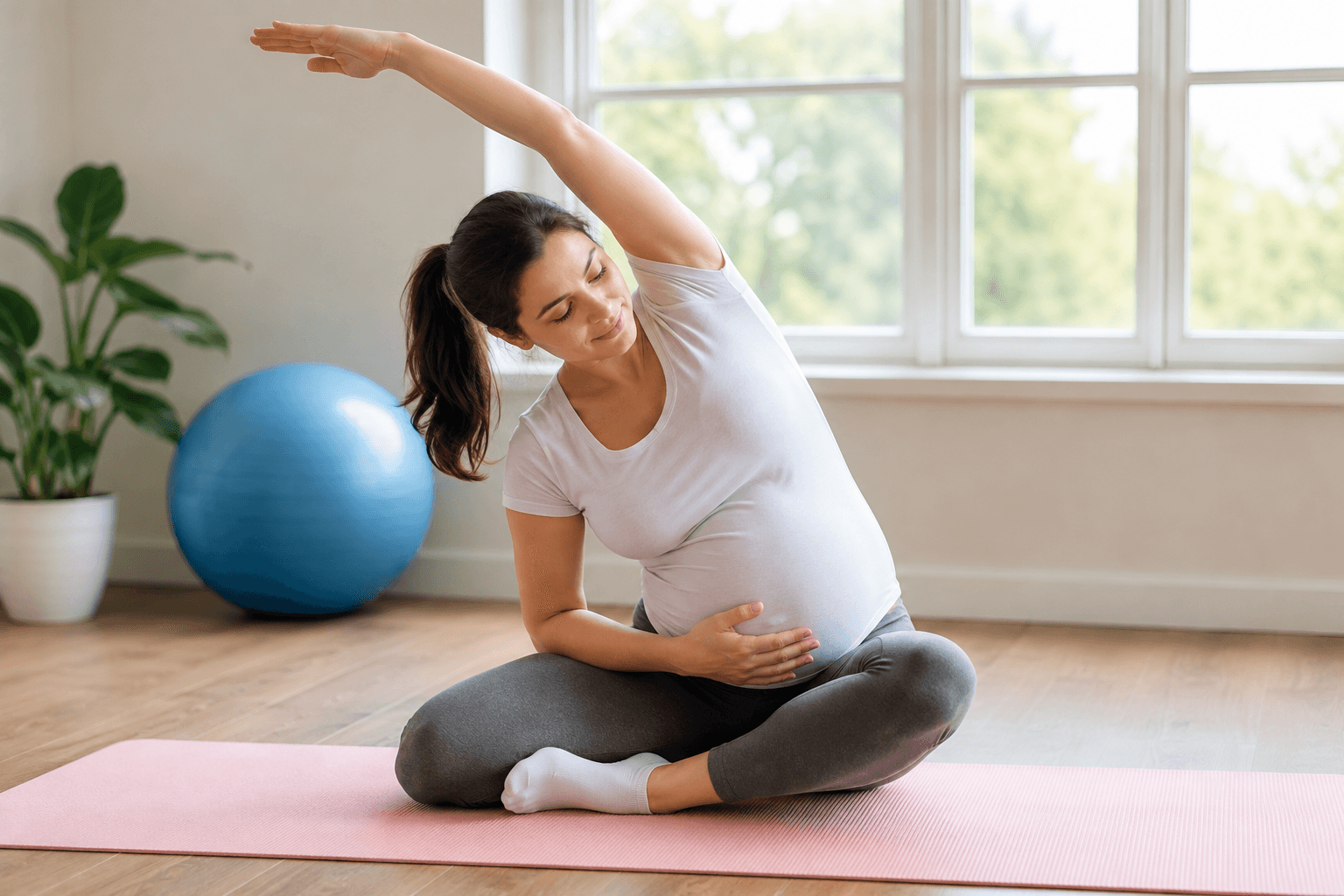
Prenatal yoga can combine gentle movement, stretching, breathing, and relaxation.
It may help support:
- Flexibility
- Balance
- Body awareness
- Relaxation
- Postural comfort
Choose classes specifically designed for pregnancy and avoid positions that cause pain, dizziness, or discomfort.
Stationary Cycling
A stationary bicycle can provide cardiovascular exercise while reducing some of the balance risks associated with outdoor cycling.
As your pregnancy progresses, adjust the intensity and position to remain comfortable.
Strength Training
Strength training can be beneficial during pregnancy when appropriately modified.
Consider:
- Light weights
- Resistance bands
- Bodyweight movements
- Controlled, functional exercises
Focus on proper technique rather than lifting heavy loads.
Pelvic Floor Exercises
Pelvic floor exercises can strengthen muscles that support the bladder, uterus, and bowel.
A pelvic health professional or healthcare provider can teach you proper technique and help determine whether strengthening or relaxation exercises are more appropriate for your individual needs.
How Much Exercise Should You Get?
Exercise recommendations vary depending on your health, fitness level, pregnancy, and provider's guidance.
For many healthy pregnant women, moderate-intensity activity spread throughout the week is encouraged. You should generally be able to maintain a conversation while exercising at a moderate intensity.
If you were physically active before pregnancy, you may be able to continue many of your usual activities with appropriate modifications.
If you were previously inactive, begin gradually rather than trying to reach a high level of activity immediately.
Exercise During Each Trimester
First Trimester
Early pregnancy can bring fatigue, nausea, and changes in energy.
During this period:
- Keep intensity comfortable.
- Stay hydrated.
- Take breaks when needed.
- Avoid overheating.
- Don't exercise through significant nausea or exhaustion.
Consistency is more important than intensity.
Second Trimester
As your abdomen grows, your balance and posture may change.
You may need to:
- Modify exercises that become uncomfortable
- Reduce high-impact movements
- Pay attention to balance
- Use additional support
- Adjust your exercise position
Your provider can help you determine which movements remain appropriate.
Third Trimester
During late pregnancy, increased weight and changes in your center of gravity can make some activities more challenging.
Consider focusing on:
- Walking
- Prenatal yoga
- Swimming
- Gentle strength exercises
- Mobility work
- Pelvic floor awareness
Your routine should become increasingly focused on comfort, mobility, and maintaining healthy movement rather than performance.
Exercises and Activities to Approach With Caution
Some activities have a greater risk of falling, abdominal injury, overheating, or other complications during pregnancy.
Depending on your circumstances, your provider may advise avoiding:
- Contact sports
- Activities with a high risk of falling
- Scuba diving
- Exercising in extreme heat
- High-intensity activities that are inappropriate for your pregnancy
- Activities that cause significant pain or discomfort
Outdoor cycling may become less appropriate as balance changes, making a stationary bicycle a safer alternative for some women.
Listen to Your Body
Pregnancy requires you to pay attention to signals from your body.
Slow down or stop if you feel:
- Significant pain
- Severe shortness of breath
- Dizziness
- Fainting
- Unusual weakness
- Chest discomfort
- Significant pelvic discomfort
Contact your Health Care Provider promptly if you experience concerning symptoms such as vaginal bleeding, fluid leakage, regular painful contractions, or other symptoms that your provider has told you require evaluation.
Stay Hydrated and Nourished
Pregnancy increases your body's nutritional and fluid needs.
When exercising:
- Drink water regularly.
- Avoid exercising in excessive heat.
- Eat balanced meals and snacks.
- Give yourself enough time to recover.
- Don't exercise through significant exhaustion.
A nutritious diet containing adequate protein, whole grains, fruits, vegetables, healthy fats, and pregnancy-essential nutrients supports your overall wellbeing.
Exercise and Mental Wellness
Pregnancy can bring excitement, uncertainty, stress, and changing emotions. Physical activity can be one component of a broader approach to emotional wellness.
Combining gentle exercise with practices such as:
- Deep breathing
- Meditation
- Prenatal yoga
- Time outdoors
- Adequate sleep
- Social connection
may help you feel more grounded during pregnancy.
If you're experiencing persistent anxiety, depression, or emotional distress, speak with your Health Care Provider rather than relying on exercise alone.
When Should You Avoid Exercise?
Some pregnancy complications may require limiting or avoiding certain forms of physical activity.
Your provider may recommend modifications if you have specific concerns involving the placenta, cervix, pregnancy-related bleeding, preterm labor risk, or other medical conditions.
Never assume that an exercise routine that was safe earlier in pregnancy remains appropriate after a new complication develops. Keep your prenatal care team informed about your activities.
Creating a Safe Pregnancy Exercise Routine
A practical routine might include a combination of:
Warm-up: Gentle walking or mobility movements.
Cardiovascular activity: Walking, swimming, or another provider-approved activity.
Strength work: Light resistance exercises focusing on major muscle groups.
Mobility: Gentle stretching and pregnancy-appropriate movement.
Relaxation: Breathing exercises or prenatal mindfulness.
The exact routine should be personalized to your fitness level and pregnancy.
Stay Active, But Give Yourself Grace
Pregnancy is not a competition. Some days you may feel energetic and ready for a longer walk, while other days your body may need rest. Both are normal.
The goal is to maintain healthy movement without placing unnecessary stress on yourself or your pregnancy.
Regular prenatal appointments provide an opportunity to discuss your activity level, symptoms, nutrition, and any changes you may need to make as your pregnancy progresses.
Supporting a Healthy and Active Pregnancy
Safe exercise can be an important part of a healthy pregnancy for many women. Walking, swimming, prenatal yoga, strength training, and other appropriate activities can support physical fitness, emotional wellbeing, mobility, and preparation for the changes that come with pregnancy and motherhood.
The most important principle is individualized care. Your pregnancy, fitness history, medical needs, and comfort level are unique, so your exercise routine should be developed with guidance from your healthcare team rather than based solely on what works for someone else.
Your pregnancy is a time of growth, strength, and love. Don’t let uncertainty keep you from caring for your changing body. Work with a trusted Holistic Care Provider or Health Care Provider to develop a safe, personalized movement and wellness plan that supports you and your growing baby. Take the first step toward a healthy, confident pregnancy—because you and your baby deserve compassionate, individualized care. Clinique Molière, Brea, CA | (714) 948-5655, provides personalized prenatal care, pregnancy education, and holistic support to help you stay informed, active, and supported throughout your pregnancy.