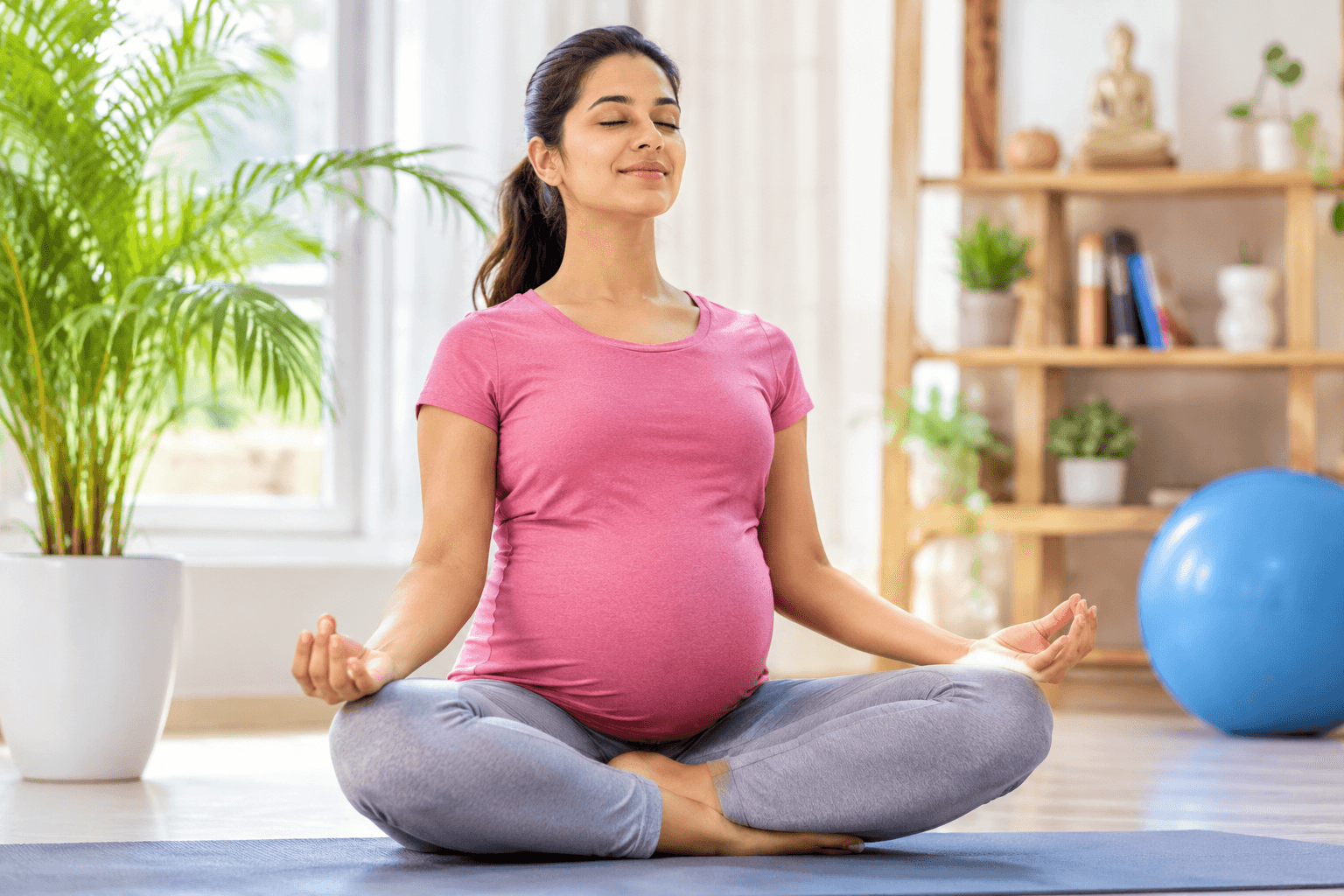
Reproductive wellness is connected to many aspects of everyday health, including physical activity, nutrition, stress management, sleep, and hormonal changes. The body relies on healthy circulation to deliver oxygen and nutrients to its tissues, including the reproductive organs. Incorporating gentle movement and yoga into your daily routine can support general circulation, improve flexibility, and encourage relaxation.
Yoga combines physical postures, breathing exercises, and mindfulness. Certain poses gently move the hips and pelvis, helping improve mobility and awareness of the muscles surrounding the pelvic region. Although yoga is sometimes promoted as a way to increase blood flow directly to the uterus and ovaries, there is not enough clinical evidence to confirm that specific poses produce this effect or improve fertility.
However, a regular, comfortable yoga practice can be a valuable part of a holistic approach to reproductive wellness. The following routine explores gentle movements that support general physical wellbeing while encouraging a stronger connection between the mind and body.
How Yoga Supports Circulation and Reproductive Wellness
The pelvis contains several important structures, including the uterus, ovaries, bladder, and pelvic-floor muscles. These structures depend on healthy blood circulation and the coordinated functioning of surrounding tissues.
Yoga does not selectively direct blood flow toward reproductive organs. Instead, its benefits are related to general movement, muscular activity, flexibility, breathing, and relaxation.
A consistent yoga practice may support reproductive wellness in several ways:
Encourages general circulation: Gentle movement activates muscles and supports cardiovascular health. Regular physical activity helps maintain healthy circulation throughout the body.
Improves hip and pelvic mobility: Gentle stretches can reduce stiffness around the hips, inner thighs, and lower back, making everyday movement more comfortable.
Develops pelvic-floor awareness: Learning to recognize and relax the pelvic-floor muscles can support better awareness of this important muscle group.
Supports stress management: Slow breathing and mindful movement may help reduce perceived stress and encourage emotional balance.
Promotes mind-body connection: Yoga provides time to notice physical sensations, breathing patterns, and areas of tension that may otherwise go unnoticed.
Research summarized by the National Center for Complementary and Integrative Health suggests that yoga may support general wellbeing, sleep, balance, and mental and emotional health. However, evidence varies depending on the condition being studied. Yoga should complement appropriate reproductive healthcare rather than replace it. Explore the research on yoga's effectiveness and safety.
1. Baddha Konasana (Butterfly Pose)
Baddha Konasana, commonly known as Butterfly Pose, is a gentle seated posture that encourages flexibility in the inner thighs and hips. It can be a comfortable starting point for people who want to introduce more pelvic mobility into their routine.
How to practise
- Sit comfortably on a yoga mat with your legs extended.
- Bend your knees and bring the soles of your feet together.
- Allow your knees to move gently outward.
- Hold your feet or ankles without pulling them forcefully.
- Keep your spine comfortably upright.
- Breathe naturally and remain in the position for 30–60 seconds.
Potential benefits
- Encourages gentle hip and inner-thigh flexibility.
- Promotes awareness of the pelvic region.
- May reduce muscular tension around the hips.
- Provides an opportunity to practise relaxed breathing.
Avoid pushing your knees toward the floor. The movement should feel like a comfortable stretch rather than pressure or pain.
2. Marjaryasana-Bitilasana (Cat-Cow Pose)
Cat-Cow is a gentle movement sequence that alternates between rounding and extending the spine. It encourages movement through the back and pelvis while helping you coordinate breathing with physical activity.
How to practice
- Begin on your hands and knees.
- Position your hands beneath your shoulders and knees beneath your hips.
- As you inhale, gently lift your chest and tailbone.
- As you exhale, round your back and gently draw your abdomen inward.
- Continue moving slowly with your breathing.
- Repeat 8–10 times without forcing your spine.
Potential benefits
- Encourages spinal and pelvic mobility.
- Helps reduce stiffness in the lower back.
- Supports coordination between breathing and movement.
- Provides gentle movement after prolonged sitting.
Keep your movements smooth and controlled. Avoid excessive arching or rounding, and use a cushion beneath your knees if needed.
3. Setu Bandhasana (Supported Bridge Pose)
Supported Bridge Pose involves gently lifting the pelvis while lying on your back. It activates the gluteal muscles and surrounding muscles that contribute to hip stability.
How to practise
- Lie on your back with your knees bent and feet flat on the mat.
- Keep your feet approximately hip-width apart.
- Rest your arms beside your body.
- Gently lift your hips while keeping your shoulders relaxed.
- Hold for a few comfortable breaths.
- Slowly lower your hips back to the mat.
Repeat 5–8 times if comfortable.
Potential benefits
- Activates the gluteal and hip muscles.
- Encourages gentle movement through the pelvic region.
- Supports lower-body strength.
- Develops awareness of posture and pelvic positioning.
Avoid forcing your hips upward or holding your breath. If you are pregnant, have back discomfort, or experience pelvic pain, ask your Health Care Provider whether this position is appropriate. During pregnancy, prolonged exercises lying flat on your back may need to be modified.
4. Balasana (Child's Pose)
Child's Pose is a gentle resting posture that stretches the back and hips. It can provide a comfortable opportunity to slow down, release tension, and reconnect with your breathing.
How to practise
- Begin on your hands and knees.
- Slowly move your hips toward your heels as far as comfortable.
- Extend your arms forward or rest them beside your body.
- Lower your forehead toward the mat if comfortable.
- Breathe slowly and naturally.
- Remain in the position for approximately 30–60 seconds.
Potential benefits
- Encourages relaxation.
- Gently stretches the hips and lower back.
- Helps release muscular tension.
- Provides a resting position between more active movements.
If your knees are sensitive, place a cushion beneath them. During pregnancy, widen your knees to create space for your abdomen and use pillows for additional support.
5. Malasana (Supported Garland Pose)
Malasana is a deep squat that encourages hip and ankle mobility. A supported version can make this posture more accessible, especially for beginners.
How to practise
- Stand with your feet slightly wider than hip-width.
- Turn your toes outward slightly.
- Slowly bend your knees and lower your hips.
- Keep your heels on the floor if possible.
- Bring your hands together in front of your chest.
- Use a yoga block or sturdy support beneath your hips if needed.
- Hold briefly while breathing naturally.
Potential benefits
- Encourages hip and ankle flexibility.
- Supports comfortable lower-body movement.
- Helps develop awareness of pelvic positioning.
- Engages muscles involved in maintaining balance.
Do not force a deep squat. If you experience knee, hip, or pelvic discomfort, choose a gentler alternative.
6. Anulom Vilom (Alternate Nostril Breathing)
Yoga is not limited to physical postures. Breathing exercises can also be incorporated into a reproductive wellness routine to encourage relaxation and mindful awareness.
How to practise
- Sit comfortably with your spine naturally upright.
- Relax your shoulders and facial muscles.
- Gently close your right nostril with your thumb.
- Inhale slowly through your left nostril.
- Close your left nostril and release your right nostril.
- Exhale slowly through your right nostril.
- Inhale through the right nostril, then switch sides and exhale through the left.
- Continue for 2–3 minutes without straining.
Potential benefits
- Encourages slow, controlled breathing.
- Provides a calming break during a busy day.
- Helps develop awareness of breathing patterns.
- May support relaxation and emotional wellbeing.
Do not force your breathing or hold your breath. If you feel dizzy or uncomfortable, return to normal breathing.
A Simple 15-Minute Daily Yoga Routine
You do not need an elaborate workout to begin incorporating yoga into your everyday routine. A short, consistent session can help you develop a comfortable movement habit.
2 minutes: Comfortable sitting and relaxed breathing
2 minutes: Cat-Cow Pose
2 minutes: Butterfly Pose
2 minutes: Supported Bridge Pose
2 minutes: Supported Garland Pose
2 minutes: Child's Pose
3 minutes: Relaxation and gentle breathing
This routine is a general wellness example, not a medical treatment plan. Choose only the movements that feel comfortable and appropriate for your body. You can shorten the session or replace any pose that causes discomfort.
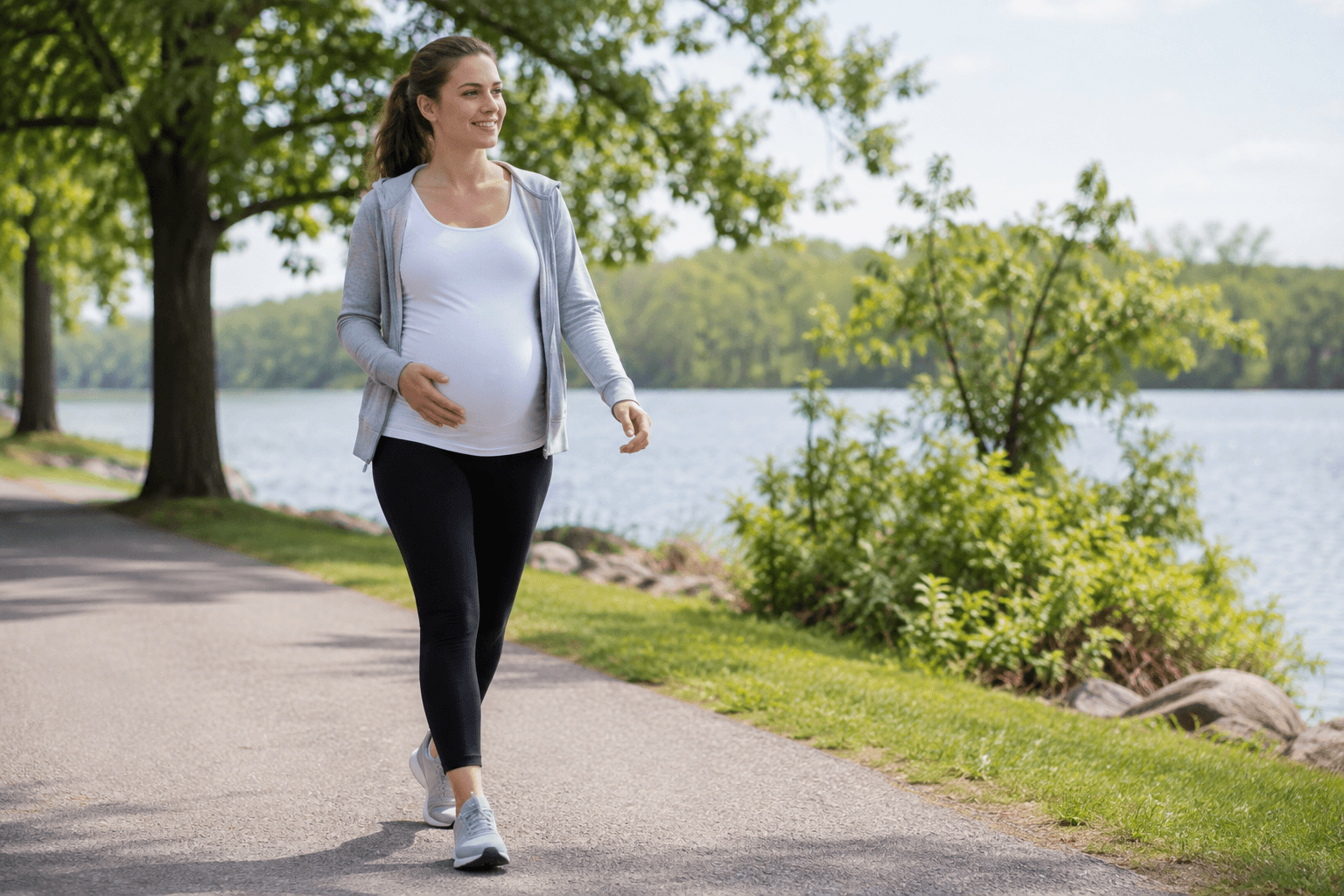
Consistency is more important than intensity. Gentle movement performed regularly may be more sustainable than occasional strenuous sessions. Combining yoga with walking and other suitable physical activities can also support overall cardiovascular health.
Yoga During Different Stages of Reproductive Life
Reproductive health needs change over time, so your yoga routine should adapt to your individual circumstances.
During the Menstrual Cycle
Gentle stretching, relaxed breathing, and comfortable movement may help some people manage stress and muscular tension during menstruation. Butterfly Pose, Cat-Cow, and supported resting positions may be comfortable options.
However, yoga is not a treatment for conditions such as endometriosis, fibroids, or severe menstrual pain. If you experience unusually heavy bleeding, persistent pelvic pain, or severe cramps, discuss these symptoms with your Health Care Provider.
When Preparing for Pregnancy
A balanced movement routine can support general fitness, flexibility, and emotional wellbeing while preparing for pregnancy.
Yoga may also provide a calming space during a period that can involve uncertainty, particularly for individuals experiencing fertility challenges. However, specific yoga poses have not been established as a way to improve ovarian function, increase uterine blood flow, or guarantee conception.
If you are planning a pregnancy, discuss your exercise routine, nutritional needs, and any existing reproductive health concerns with your Health Care Provider.
During Pregnancy
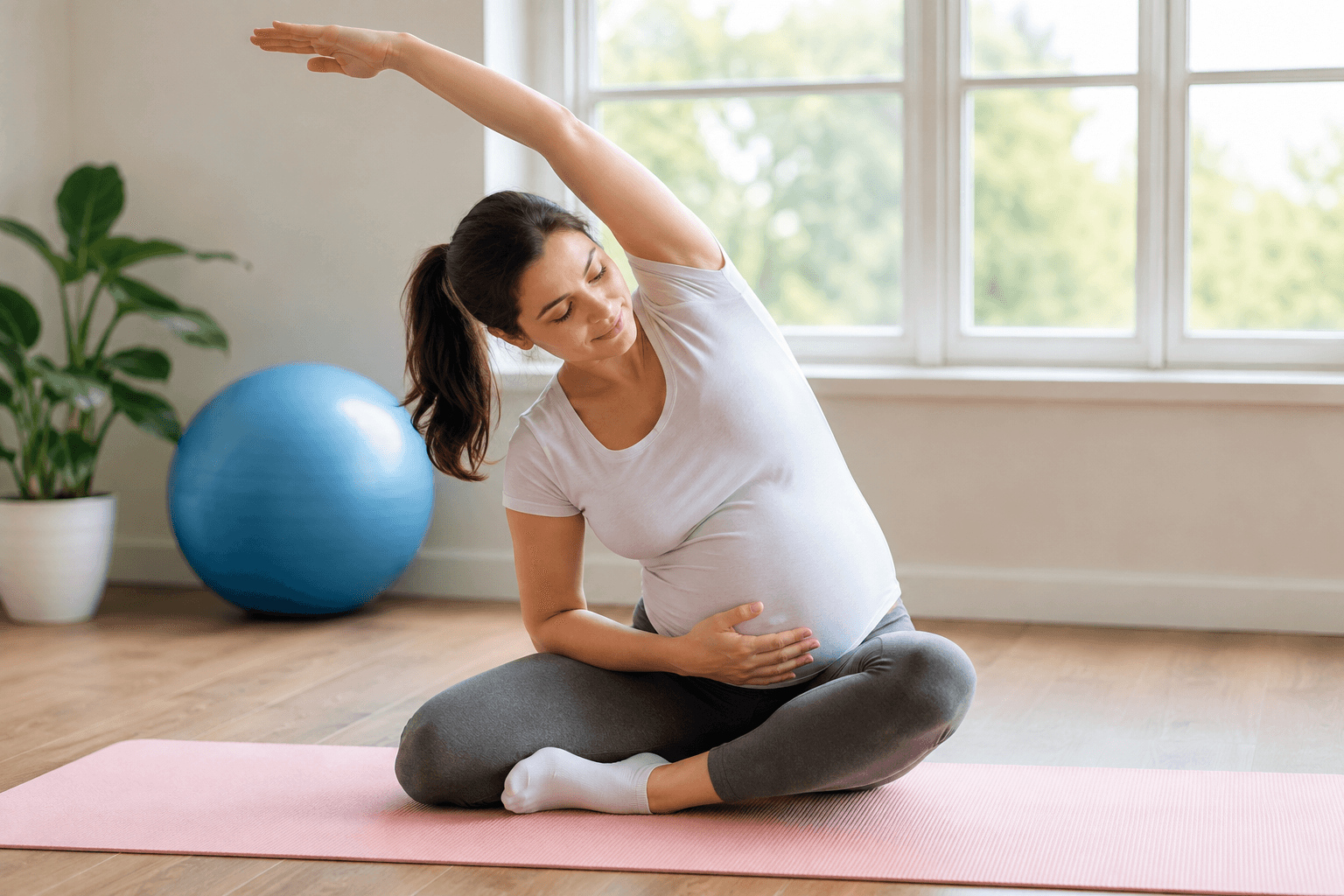
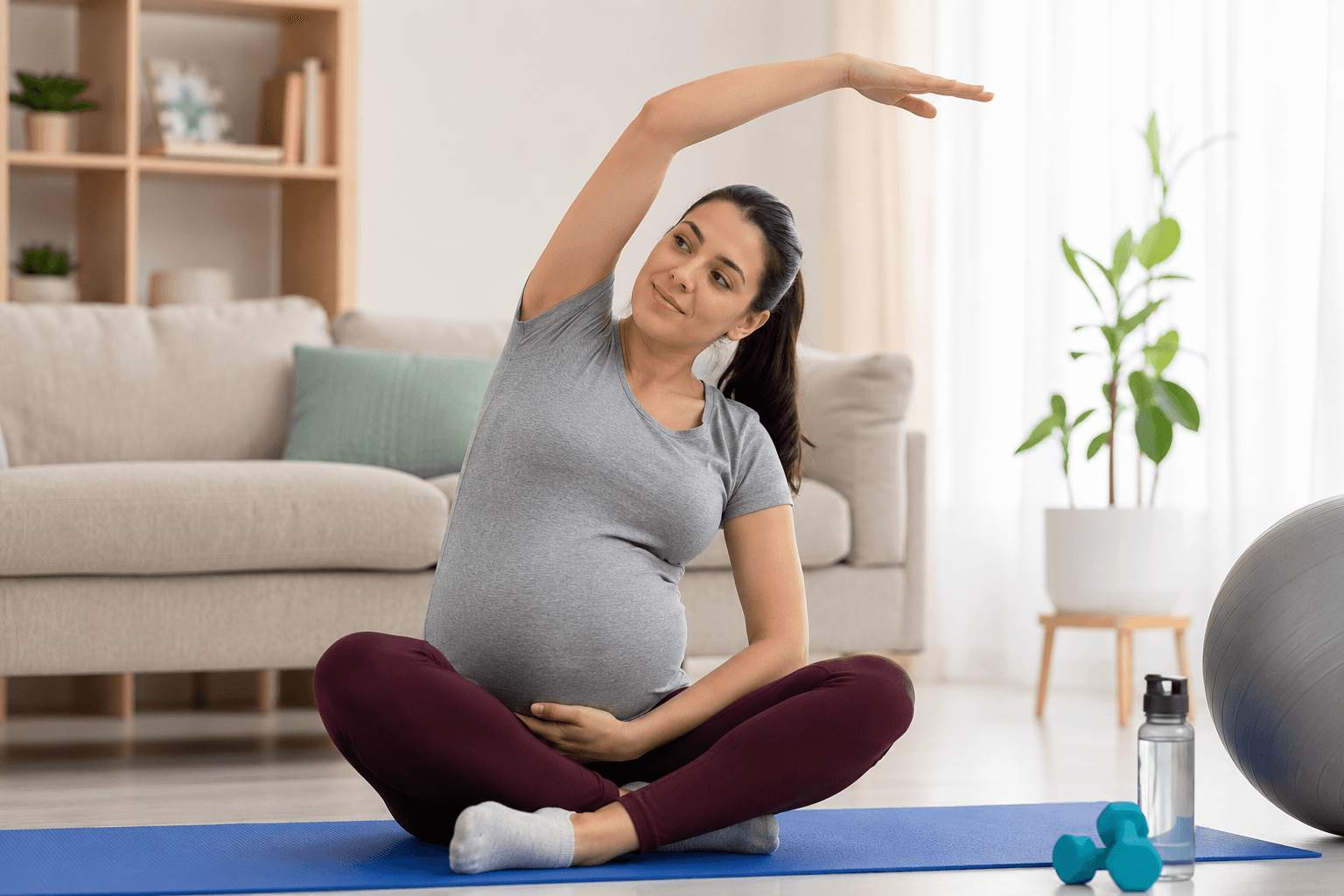
Modified prenatal yoga may help some pregnant individuals maintain flexibility, manage stress, and remain physically active. However, not every traditional yoga posture is suitable during pregnancy.
Avoid hot yoga, overheating, positions that create discomfort, and movements that increase the risk of falling. Your changing balance and joint flexibility may also require modifications.
The American College of Obstetricians and Gynecologists supports appropriate physical activity during uncomplicated pregnancies, including modified yoga, when suitable for the individual's circumstances. Always discuss exercise with your maternity care team before starting or changing a routine. Read ACOG's pregnancy exercise guidance.
During Postpartum Recovery
After childbirth, gentle movement may eventually become part of physical recovery. However, the timing depends on the type of birth, healing, pelvic-floor symptoms, and any complications.
Begin with activities approved by your Health Care Provider. If you experience urinary leakage, pelvic heaviness, pain during movement, or a feeling of pressure in the pelvic region, a pelvic-health assessment may be helpful.
Postpartum recovery is not a race. Allowing your body sufficient time to heal is more important than returning quickly to a previous exercise routine.
During Perimenopause and Menopause
Yoga can be a helpful form of physical activity during midlife. Gentle stretching, balance exercises, and relaxation may support general wellbeing, flexibility, and stress management.
Combining yoga with suitable strength-building activities, nutritious meals, and preventive women's health care can contribute to long-term wellness. Yoga may support coping with stress and sleep difficulties, but it should not be considered a replacement for appropriate care when menopause symptoms become disruptive.
Important Safety Tips Before Starting Yoga
Although gentle yoga is suitable for many people, not every posture is appropriate for every health condition or reproductive stage.
Keep these precautions in mind:
- Start slowly, particularly if you are new to yoga.
- Avoid forcing stretches or holding uncomfortable positions.
- Use cushions, yoga blocks, or other stable supports when needed.
- Avoid extreme poses and forceful breathing techniques without appropriate training.
- Stay hydrated and practise in a comfortable environment.
- Modify movements during pregnancy and postpartum recovery.
- Stop if you experience pain, dizziness, unusual breathlessness, or discomfort.
People with pelvic pain, recent surgery, significant menstrual symptoms, pregnancy complications, or existing injuries should seek individualized guidance before beginning a new routine. Yoga should never delay assessment of persistent reproductive health symptoms.
Supporting Reproductive Wellness Through Mind-Body Balance
Reproductive wellness involves more than the health of the reproductive organs alone. It includes physical wellbeing, emotional health, hormonal changes, nutrition, movement, and the way you care for yourself throughout different stages of life. A gentle daily yoga practice can provide an opportunity to improve flexibility, support general circulation, release muscular tension, and reconnect with your body. Although yoga cannot guarantee increased blood flow to reproductive organs or improved fertility, it can be a meaningful part of a balanced wellness routine. If you would like to explore a holistic approach to women's wellness, preconception care, pregnancy, or postpartum support, contact Clinique Molière in Brea, CA, at (714) 948-5655 to learn about its women's health and maternity services. Give yourself the time and care to build healthy habits that support your wellbeing through every stage of your reproductive journey.