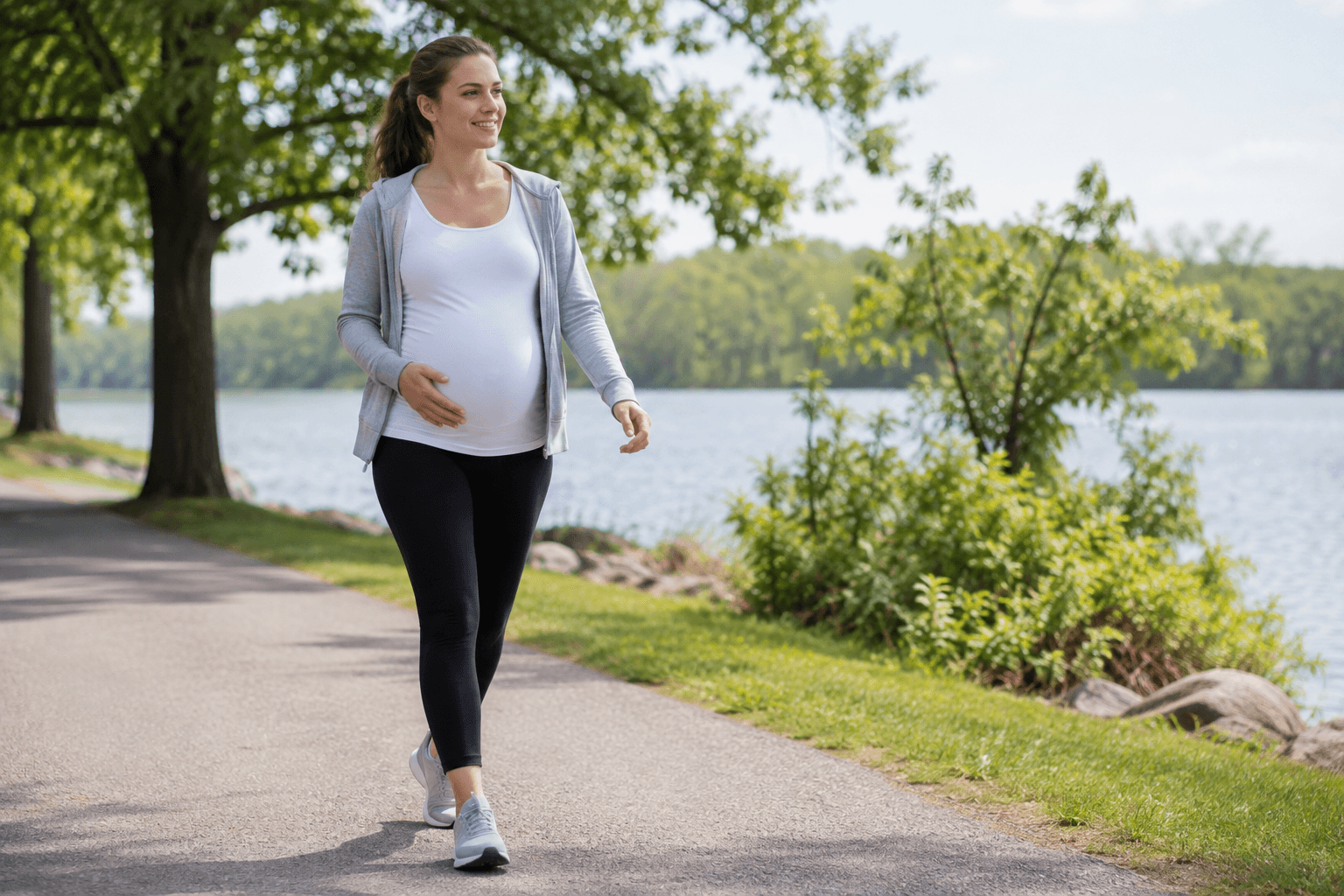
Walking is one of the simplest and most accessible forms of exercise during pregnancy. For many women with healthy, uncomplicated pregnancies, regular walking can support physical fitness, emotional wellbeing, circulation, and overall pregnancy health without placing excessive stress on the joints.
Unlike more demanding forms of exercise, walking can usually be adjusted easily as your pregnancy progresses. You can change your pace, distance, and frequency according to your energy level and comfort. However, every pregnancy is different, so it's important to discuss your activity level with your Health Care Provider before beginning or changing an exercise routine.
For expectant mothers in Brea, California, walking can be a practical way to stay active while preparing the body and mind for the changes that come with pregnancy and motherhood.
Benefits of Walking During Pregnancy
Regular walking may provide several benefits when it is appropriate for your pregnancy.
Supports Cardiovascular Health
Walking provides gentle aerobic activity that can help maintain cardiovascular fitness during pregnancy.
It can also be easier to continue consistently than more strenuous forms of exercise.
Helps Maintain Healthy Mobility
As your abdomen grows, maintaining regular movement can help you stay mobile and support functional strength.
Walking may also help reduce stiffness associated with spending long periods sitting or resting.
Supports Emotional Wellbeing
Pregnancy can bring significant emotional changes. Gentle physical activity may help reduce stress, improve mood, and provide an opportunity to spend time outdoors.
Even a short walk can provide a welcome mental break during a busy day.
May Help With Common Pregnancy Discomforts
Regular movement may help some women manage common pregnancy concerns such as:
- Mild back discomfort
- Constipation
- Leg stiffness
- General fatigue
- Mild swelling
Walking is not a treatment for pregnancy complications, but it can be part of a healthy lifestyle when approved by your provider.
How Much Should You Walk During Pregnancy?
There is no single walking schedule that is right for every pregnant woman.
Your appropriate level of activity depends on:
- Your fitness level before pregnancy
- Your stage of pregnancy
- Your overall health
- Pregnancy complications, if any
- How your body responds to exercise
If you were already active before pregnancy, you may be able to maintain a similar routine with appropriate modifications.
If you were previously inactive, start gradually. A short, comfortable walk can be a good beginning, followed by gradual increases as your body allows.
For many healthy pregnancies, moderate-intensity physical activity spread throughout the week is encouraged.
Walking During the First Trimester
Early pregnancy can bring nausea, fatigue, breast tenderness, and changing energy levels.
During the first trimester:
- Start slowly if you're feeling tired.
- Carry water.
- Avoid overheating.
- Choose comfortable footwear.
- Take breaks when necessary.
On days when morning sickness or fatigue is particularly strong, a shorter walk—or rest—may be more appropriate.
Walking During the Second Trimester
Many women experience increased energy during the second trimester.
As your abdomen begins to grow, however, your posture and balance may change.
Consider:
- Choosing flat, stable walking surfaces
- Wearing supportive shoes
- Maintaining a comfortable pace
- Taking breaks when needed
- Paying attention to your posture
Your walking routine may need to become slower or shorter as pregnancy progresses.
Walking During the Third Trimester
Walking may remain comfortable during late pregnancy, although increased weight, pelvic pressure, fatigue, and changes in balance can make longer walks more difficult.
You may find it helpful to:
- Take shorter walks more frequently
- Walk near home or in familiar areas
- Avoid extreme heat
- Stay hydrated
- Choose supportive footwear
- Rest whenever your body needs it
There is no benefit to pushing yourself through significant discomfort.
What Pace Should You Use?
A useful approach is the talk test.
During moderate activity, you should generally be able to hold a conversation without becoming excessively breathless.
You don't need to walk as fast as possible to receive benefits. Pregnancy exercise should focus on maintaining healthy movement rather than achieving a particular speed or distance.
If you are struggling to breathe, feeling dizzy, or becoming unusually exhausted, slow down or stop and rest.
Walking on a Treadmill vs. Outdoors
Both options can be appropriate.
Outdoor Walking
Walking outdoors can provide fresh air and a change of scenery. Choose safe, relatively level routes and avoid areas where slipping or falling is likely.
Treadmill Walking
A treadmill can provide a controlled environment, particularly during very hot or rainy weather.
Use the safety features appropriately and avoid speeds or inclines that make you feel unstable.
Make Walking More Comfortable
As pregnancy progresses, small adjustments can make a big difference.
Consider:
- Supportive, well-fitting shoes
- Comfortable clothing
- A water bottle
- Walking during cooler parts of the day
- Shorter routes with opportunities to rest
- Gentle stretching afterward
If you experience pelvic or back discomfort while walking, ask your Health Care Provider or a qualified physical therapist about appropriate modifications.
Can Walking Help Prepare for Labor?
Walking can help maintain general fitness, mobility, and endurance, which may be useful as your body prepares for childbirth.
However, walking cannot guarantee that labor will begin, be shorter, or be easier.
Some people believe that walking late in pregnancy can induce labor, but there is not enough evidence to recommend walking as a reliable method of starting labor.
The primary goal should be maintaining comfortable, healthy movement—not trying to trigger labor.
When Should You Stop Walking?
Stop exercising and contact your Health Care Provider if you experience concerning symptoms such as:
- Vaginal bleeding
- Fluid leakage
- Regular painful contractions
- Significant dizziness or fainting
- Chest pain
- Severe shortness of breath
- Severe headache
- Significant calf pain or swelling
- Decreased fetal movement when your provider has advised you to monitor movement
Seek prompt medical advice if you are unsure whether a symptom is normal.
When Walking May Not Be Appropriate
Most women with uncomplicated pregnancies can remain physically active, but certain pregnancy conditions may require exercise restrictions or modifications.
Your provider may recommend limiting activity if you have specific complications involving bleeding, the placenta, cervix, preterm labor risk, or other maternal or fetal concerns.
Never assume that an exercise routine is appropriate simply because walking is generally considered low impact. Your individual pregnancy should determine your activity plan.
Combine Walking With Other Healthy Habits
Walking can be one part of a broader prenatal wellness routine.
You may also benefit from:
- Balanced nutrition
- Adequate hydration
- Sufficient rest
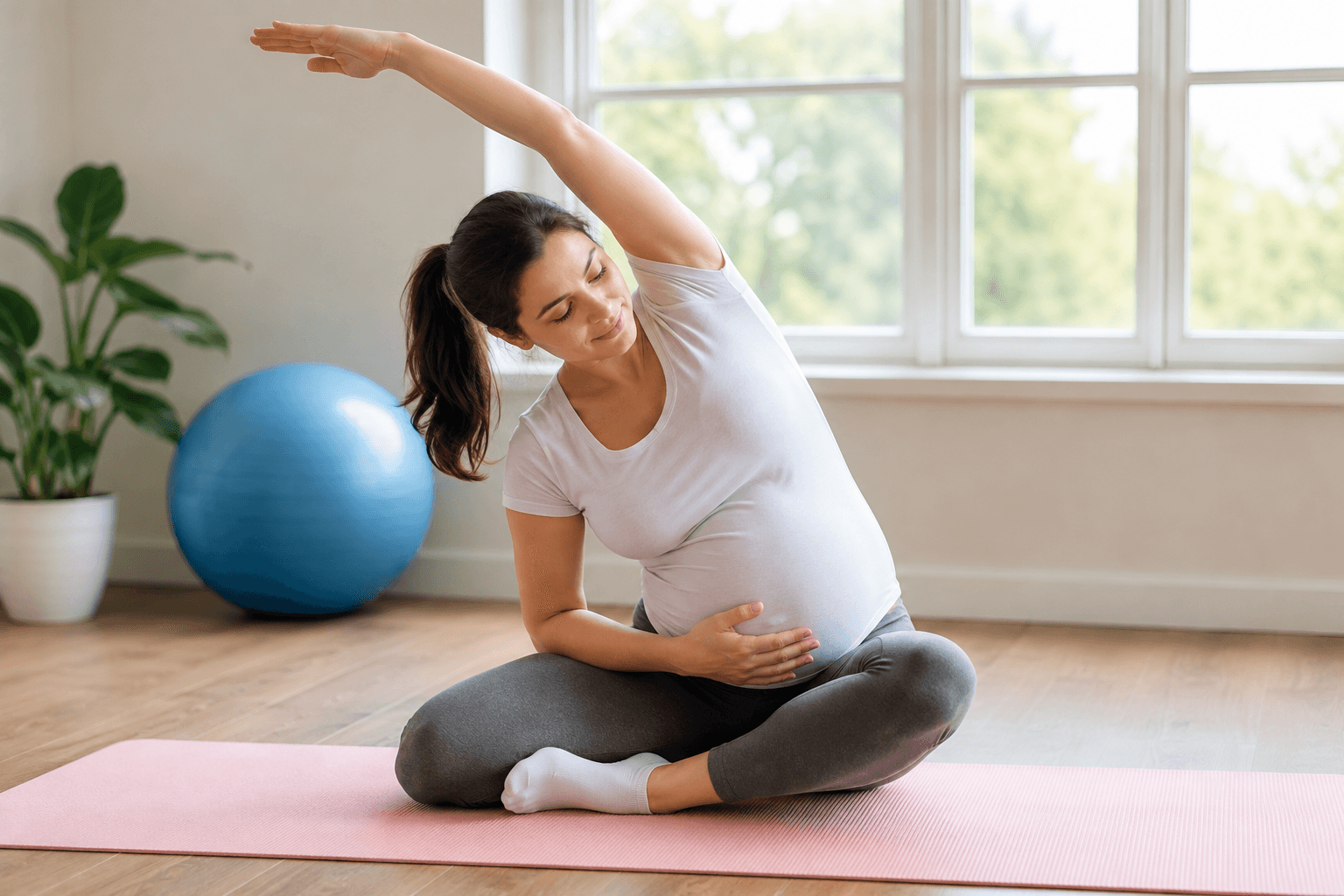
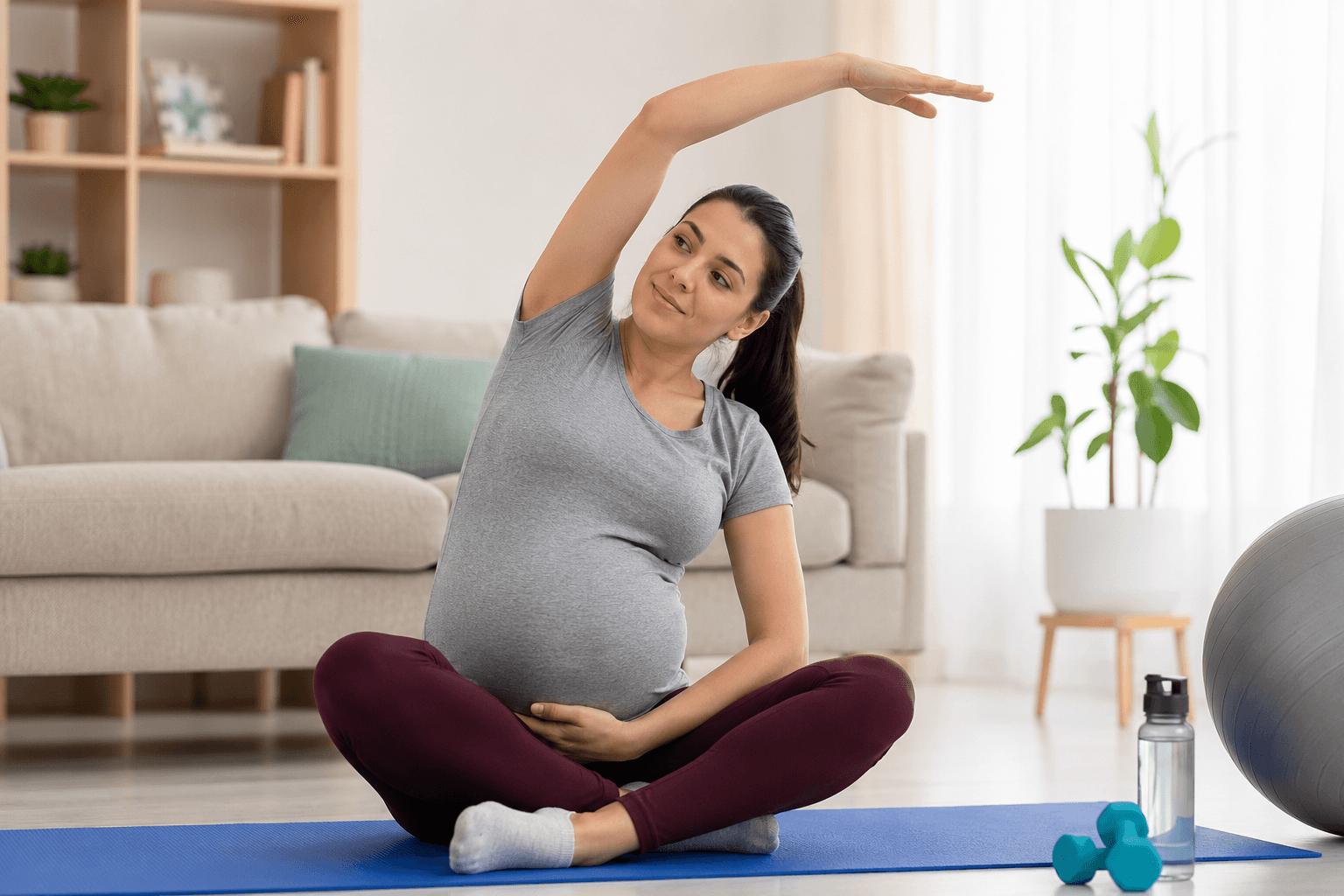
- Prenatal yoga when appropriate
- Gentle strength exercises
- Pelvic floor exercises
- Relaxation and breathing practices
- Regular prenatal appointments
Together, these habits can support physical and emotional wellbeing throughout pregnancy.
Making Walking Part of Your Pregnancy Journey
For many women, walking is an excellent way to remain active during pregnancy because it is accessible, adaptable, and relatively low impact. Whether you take a 10-minute walk around your neighborhood or enjoy a longer walk when your energy allows, the most important consideration is that the activity feels comfortable and remains appropriate for your individual pregnancy.
You don't need to reach a particular distance or step count to have a healthy pregnancy. Listen to your body, stay hydrated, choose safe surroundings, and adjust your routine as your pregnancy changes.
Your pregnancy is a time of growth, strength, and love. Don’t let uncertainty prevent you from enjoying safe and healthy movement. Work with a trusted Holistic Care Provider or Health Care Provider to create a personalized exercise and wellness plan that supports your changing body and growing baby. Take the first step toward a healthier, more comfortable pregnancy—because you and your baby deserve compassionate, individualized care. Clinique Molière, Brea, CA | (714) 948-5655, offers personalized prenatal care, pregnancy education, and holistic support to help you stay active, informed, and confident throughout your pregnancy.