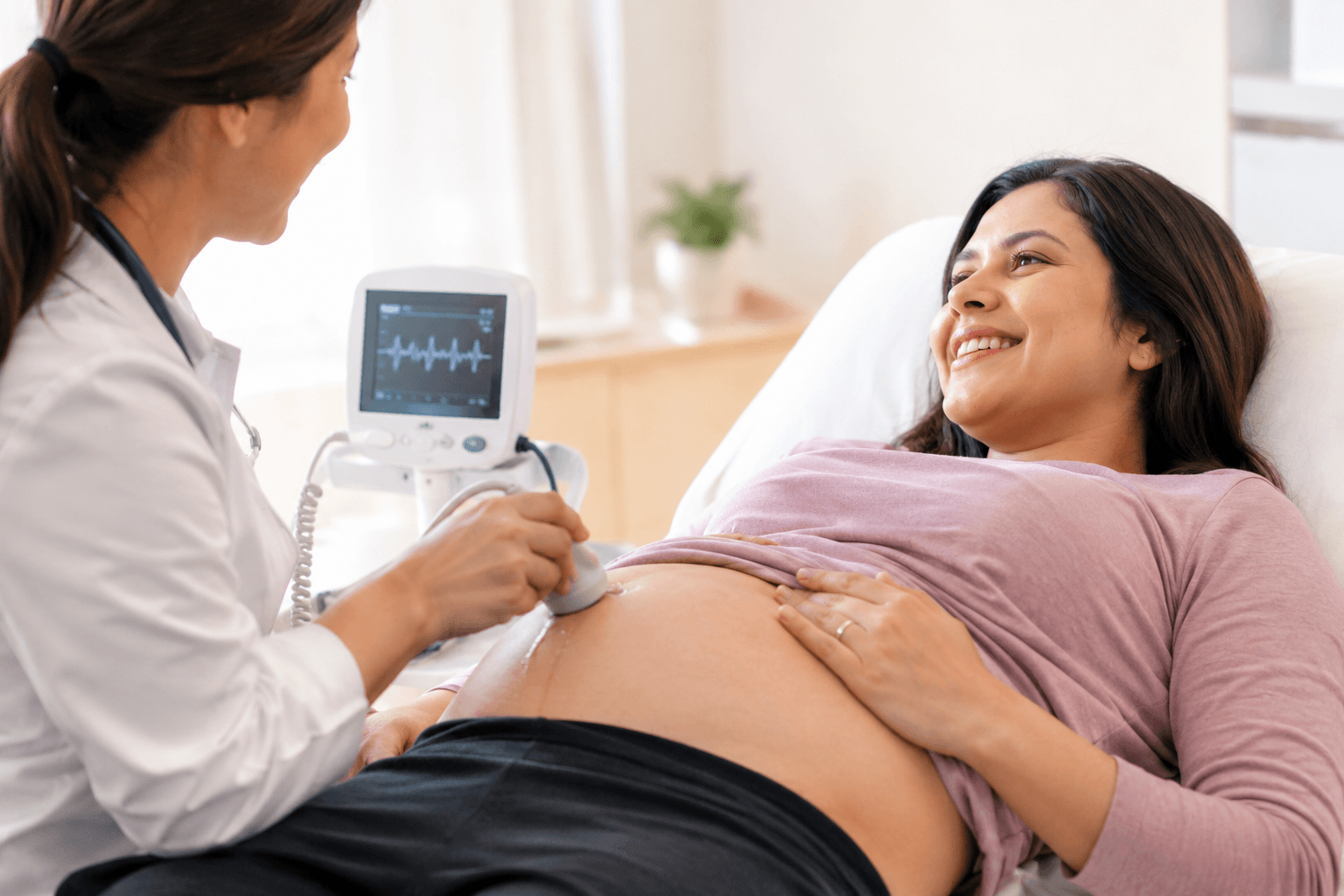
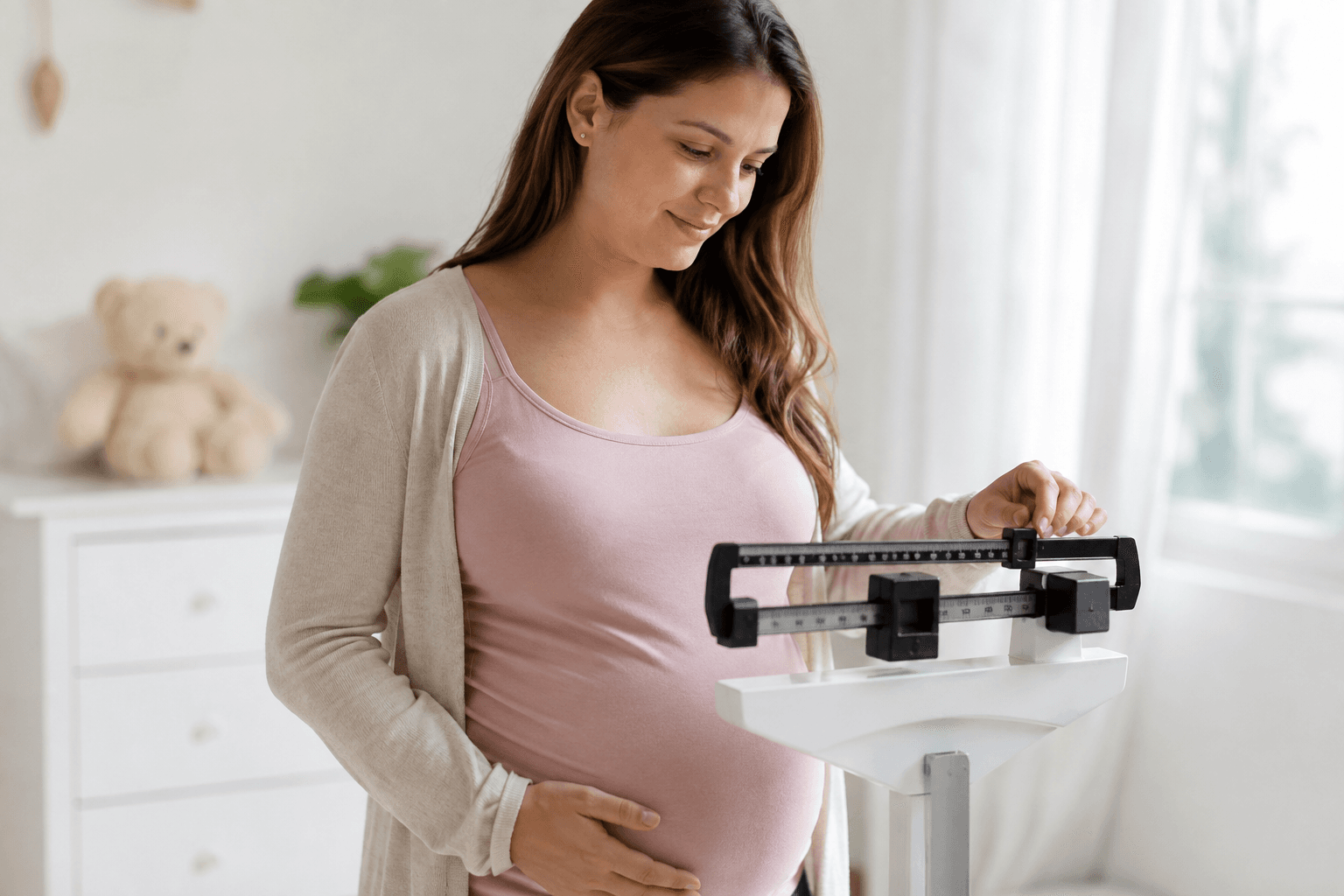
Pregnancy is a time of incredible change, and weight gain is a normal, healthy part of supporting your baby's growth and development. However, many expectant mothers wonder, "How much weight should I gain?" The answer isn't the same for everyone. Healthy pregnancy weight gain depends on several factors, including your pre-pregnancy weight, overall health, whether you're carrying one baby or multiples, and your individual pregnancy journey.
Rather than focusing on the number on the scale alone, it's important to think of pregnancy weight gain as part of a healthy, balanced approach to nourishing both yourself and your growing baby. Your Health Care Provider can help you determine what is appropriate for your unique circumstances.
For families in Brea and throughout California, personalized prenatal care can help ensure healthy weight gain while supporting the wellbeing of both mother and baby.
Why Weight Gain During Pregnancy Is Important
Healthy pregnancy weight gain supports:
- Your baby's growth and development
- The formation of the placenta
- Increased blood volume
- Growth of the uterus and breasts
- Amniotic fluid production
- Energy stores needed for labor and breastfeeding
Gaining too little or too much weight may increase certain pregnancy risks, which is why regular prenatal visits are so important.
How Much Weight Should You Gain?
General recommendations are based on your pre-pregnancy Body Mass Index (BMI).
If Your Pre-Pregnancy BMI Was in the Healthy Range
Women who begin pregnancy at a healthy weight are generally advised to gain approximately:
25 to 35 pounds (11.5 to 16 kilograms)
If You Were Underweight Before Pregnancy
Women who were underweight before becoming pregnant may be advised to gain:
28 to 40 pounds (13 to 18 kilograms)
This additional weight helps support healthy fetal growth.
If You Were Overweight Before Pregnancy
Women with a higher pre-pregnancy BMI are often advised to gain:
15 to 25 pounds (7 to 11.5 kilograms)
If You Had Obesity Before Pregnancy
Women with obesity are generally encouraged to gain:
11 to 20 pounds (5 to 9 kilograms)
Because every pregnancy is different, your provider may recommend an individualized goal.
What If You're Pregnant With Twins?
Women carrying twins or other multiples usually require greater weight gain than those carrying one baby.
Your Health Care Provider will recommend a personalized target based on:
- Your pre-pregnancy BMI
- Number of babies
- Overall pregnancy health
How Weight Gain Is Typically Distributed
Pregnancy weight is not just the baby's weight.
It includes:
- Baby
- Placenta
- Amniotic fluid
- Increased blood volume
- Enlarged uterus
- Breast tissue
- Additional body fluids
- Fat stores that support pregnancy and breastfeeding
These changes are essential parts of a healthy pregnancy.
Weight Gain by Trimester
Weight gain usually occurs gradually rather than all at once.
First Trimester
Many women gain only a small amount during the first trimester, especially if nausea or morning sickness affects appetite.
Some women may gain between 1 and 5 pounds (0.5 to 2 kilograms), while others may gain slightly more or less.
Second Trimester
As your baby grows more rapidly, weight gain often becomes more consistent.
For many women with a healthy pre-pregnancy weight, a gradual gain of about 1 pound (0.5 kilogram) per week during the second trimester is common.
Third Trimester
Weight gain typically continues throughout the third trimester as your baby experiences significant growth.
Your provider will monitor your progress to ensure it remains appropriate for your individual pregnancy.
Healthy Ways to Support Appropriate Weight Gain
Rather than focusing on eating significantly more food, aim to improve the quality of your nutrition.
Choose foods such as:
- Fresh fruits and vegetables
- Whole grains
- Lean proteins
- Healthy fats
- Dairy or calcium-rich alternatives
- Iron-rich foods
- Folate-rich foods
A balanced diet provides the nutrients needed for both you and your baby.
Stay Physically Active
For most women with healthy pregnancies, regular physical activity can help support healthy weight gain.
Safe activities may include:
- Walking
- Prenatal yoga
- Swimming
- Low-impact strength training
- Gentle stretching
Always discuss your exercise routine with your Health Care Provider before beginning or changing an activity program.
Avoid "Eating for Two"
One of the biggest pregnancy myths is that you need to double your food intake.
In reality, most women need only a modest increase in calories later in pregnancy, depending on their activity level and individual needs.
Focusing on nutrient-dense foods is generally more beneficial than simply increasing portion sizes.
What If You're Gaining Weight Too Quickly?
Rapid weight gain may sometimes be related to:
- Excess calorie intake
- Fluid retention
- Reduced activity
- Certain pregnancy-related medical conditions
Sudden or excessive weight gain—especially when accompanied by swelling, headaches, or vision changes—should be discussed with your healthcare provider promptly.
What If You're Not Gaining Enough Weight?
Insufficient weight gain may result from:
- Severe morning sickness
- Poor appetite
- Digestive concerns
- Underlying medical conditions
Your provider may recommend dietary adjustments or additional evaluation to help support healthy fetal growth.
Every Pregnancy Is Different
It is important not to compare your pregnancy weight gain with friends, family members, or information found online.
Many factors influence healthy weight gain, including:
- Your starting weight
- Age
- Metabolism
- Activity level
- Medical history
- Baby's growth
Your prenatal care team will monitor both your weight and your baby's development throughout pregnancy to ensure everything is progressing appropriately.
Focus on Health, Not Just the Scale
Pregnancy weight gain is a natural and necessary part of supporting your baby's growth and preparing your body for childbirth and breastfeeding. Rather than striving for a specific number, focus on maintaining healthy habits through balanced nutrition, regular physical activity, adequate hydration, and consistent prenatal care.
Remember that every pregnancy is unique. Your ideal weight gain may differ from someone else's, and the best guidance comes from your healthcare provider, who understands your individual health needs and pregnancy journey.
Your pregnancy is a time of growth, strength, and nourishment. Don't let worries about the scale overshadow the joy of preparing to welcome your baby. Work with a trusted Holistic Care Provider or Health Care Provider to create a personalized nutrition and wellness plan that supports healthy weight gain and a thriving pregnancy. Clinique Molière, Brea, CA | (714) 948-5655 offers compassionate prenatal care, individualized guidance, and holistic support to help you and your baby stay healthy throughout every stage of pregnancy.