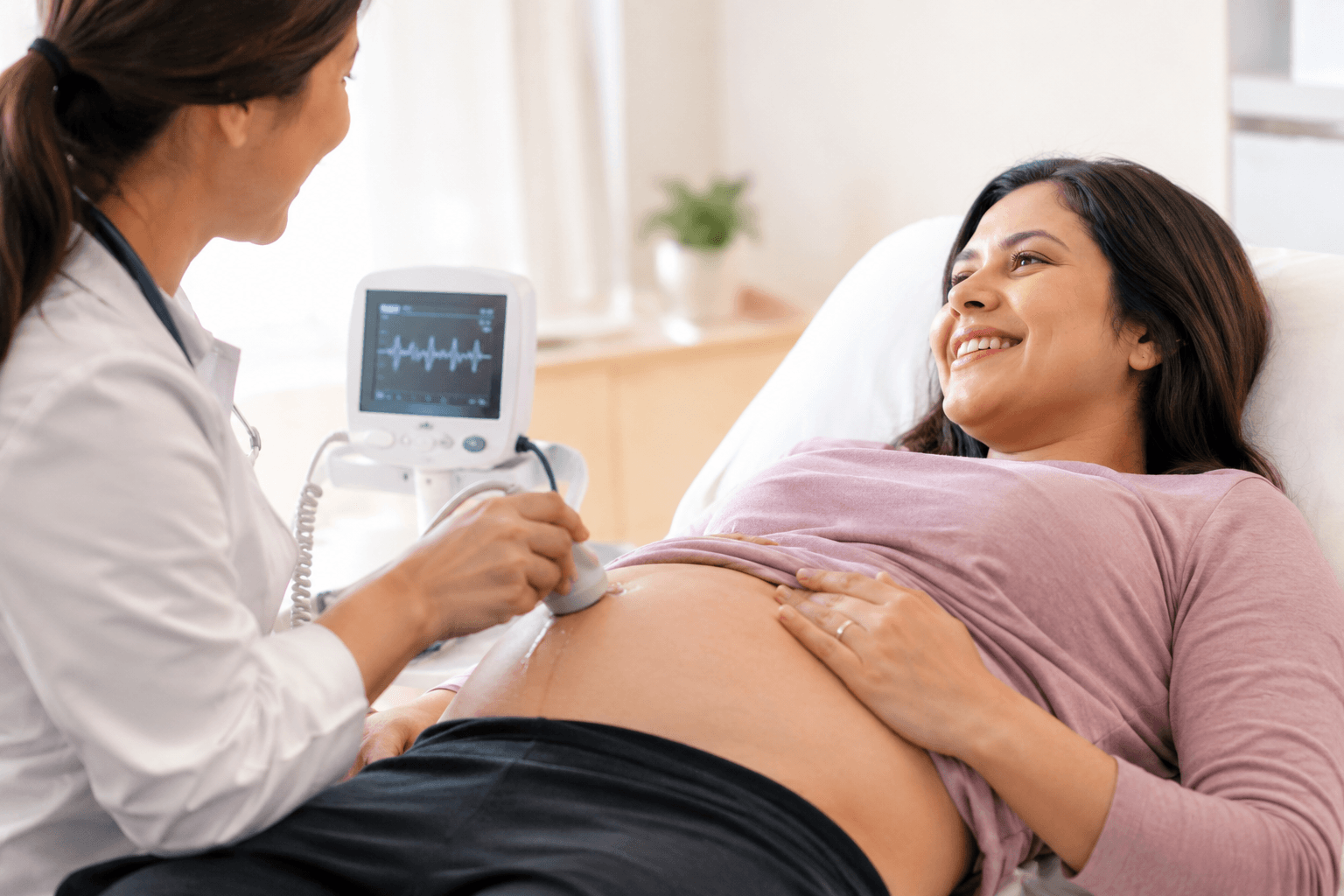
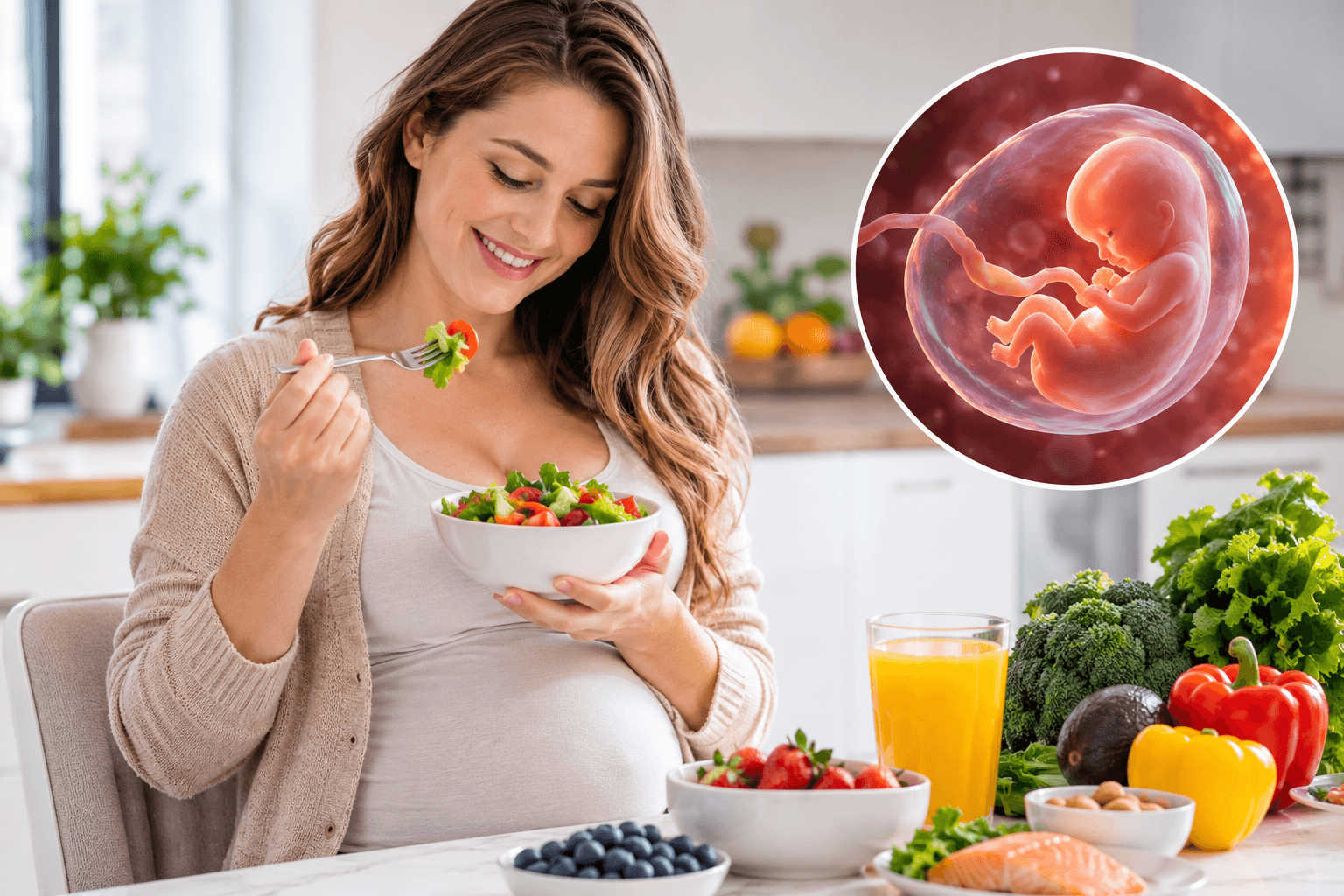
The journey toward pregnancy begins before a positive pregnancy test. During the weeks and months before conception, a woman's nutritional status, general health, and everyday habits help prepare her body for the significant biological changes ahead. Once fertilization occurs, development begins rapidly. The newly formed embryo starts dividing, travels toward the uterus, and eventually begins the process of implantation and early organ formation.
Many of these important developmental events take place before a woman realizes she is pregnant. This is one reason pre-pregnancy nutrition deserves attention. A balanced diet and adequate intake of essential vitamins and minerals can support normal reproductive function, early cell development, and maternal health.
Although no specific food or supplement can guarantee conception or a particular pregnancy outcome, preparing nutritionally before pregnancy can help reduce certain preventable risks. Understanding the role of micronutrients can help women make informed choices as they plan to conceive.
Why Pre-Pregnancy Nutrition Matters
Early embryonic development involves a series of carefully coordinated biological processes. After fertilization, the egg and sperm combine to form a single cell called a zygote. This cell divides repeatedly as it travels toward the uterus. The developing structure eventually reaches the blastocyst stage, when implantation into the uterine lining may occur.
Following implantation, cells begin differentiating into structures that will contribute to the placenta and the developing embryo. During the early weeks, essential developmental processes include the formation of the neural tube, which later develops into the brain and spinal cord.
These processes require energy, healthy cellular function, DNA synthesis, and the availability of essential nutrients. A woman's nutritional status before conception can influence whether her body has adequate stores of certain nutrients when these early developmental events begin.
Pre-pregnancy care therefore focuses not only on preparing for conception but also on supporting the earliest stages of pregnancy.
1. Folic Acid: A Key Nutrient for Early Neural Development
Folic acid is one of the most important nutrients to consider when planning pregnancy. It is the synthetic form of folate, a B vitamin involved in DNA production, cell division, and the formation of new cells.
These functions are particularly important during early embryonic development, when cells multiply and specialize at a rapid pace.
One of folate's best-established roles is supporting neural tube development. The neural tube forms during the first few weeks after conception and eventually develops into the brain and spinal cord. If it does not close properly, neural tube defects such as spina bifida and anencephaly can occur.
Because neural tube closure takes place very early, supplementation should begin before pregnancy rather than waiting for a positive test.
For women at average risk, the Centers for Disease Control and Prevention recommends 400 micrograms (mcg) of folic acid daily for those who could become pregnant. Women with certain risk factors may need a different dose, which should be determined with a qualified Health Care Provider.
Food sources of natural folate include:
- Spinach and other dark green leafy vegetables
- Lentils, chickpeas, and beans
- Broccoli and asparagus
- Citrus fruits
- Avocados
These foods contribute to a healthy diet, but they should not replace the recommended folic acid supplement.
2. Iron: Supporting Oxygen Delivery and Maternal Health
Iron helps the body produce hemoglobin, the protein in red blood cells that carries oxygen throughout the body. Adequate iron is important for a woman's health before pregnancy and becomes increasingly relevant as blood volume expands during pregnancy.
Low iron levels can contribute to iron-deficiency anemia, which may cause fatigue, weakness, dizziness, and reduced physical well-being. Existing iron deficiency should ideally be identified and addressed before conception.
Iron is available from several food sources:
- Lentils, beans, and chickpeas
- Spinach and other leafy vegetables
- Iron-fortified cereals
- Meat and poultry
- Fish and seafood
Vitamin C can improve the absorption of iron from plant-based foods. Pairing lentils or beans with tomatoes, citrus fruits, or bell peppers is a simple way to support iron absorption.
Iron supplements are not necessary for everyone before pregnancy. A Health Care Provider can assess individual needs and recommend testing or supplementation when appropriate.
3. Vitamin B12: Important for Cell Formation and Nervous System Function
Vitamin B12 works alongside folate in several processes involved in DNA synthesis, red blood cell production, and nervous system function.
Adequate B12 intake is particularly important for women following vegetarian or vegan diets because naturally occurring vitamin B12 is found mainly in animal-derived foods.
Potential food sources include:
- Milk and yogurt
- Eggs
- Fish
- Meat and poultry
- B12-fortified plant-based milk
- Fortified breakfast cereals
Women who avoid animal products, have digestive conditions that affect nutrient absorption, or have previously been diagnosed with B12 deficiency may need supplementation.
Vitamin B12 and folate work together in important cellular processes. Ensuring adequate intake of both before pregnancy supports nutritional preparation for early development.
4. Iodine: Supporting Thyroid Function and Brain Development
Iodine is essential for producing thyroid hormones. These hormones regulate metabolism and play an important role in early brain and nervous system development.
A woman's iodine requirements increase during pregnancy because the developing baby depends on maternal thyroid hormone during important stages of growth.
Useful dietary sources include:
- Iodized salt
- Dairy products
- Eggs
- Seafood
- Certain fortified foods
The amount of iodine in foods can vary depending on soil conditions, food production, and dietary patterns. Women who avoid dairy, seafood, or iodized salt may need to review their iodine intake with a Health Care Provider.
However, excessive iodine can also affect thyroid function. High-dose iodine supplements and seaweed-based products should not be taken casually. Individual nutritional needs should guide supplementation.
5. Choline: Supporting Cell Membranes and Early Brain Development
Choline is an essential nutrient involved in several processes that support normal cellular function. It helps produce phospholipids, which are important components of cell membranes, and contributes to the production of acetylcholine, a chemical involved in nervous system signaling.
During pregnancy, choline supports fetal growth and nervous system development. It is also involved in pathways related to gene expression and normal cell function.
Good food sources include:
- Eggs
- Fish
- Poultry
- Dairy products
- Soybeans and other soy foods
- Peanuts
Egg yolks are a particularly useful dietary source of choline. However, eating a varied diet is more beneficial than relying on one food alone.
Some prenatal supplements contain little or no choline, so it is worth checking the nutritional label and discussing dietary intake during preconception care.
6. Vitamin D: Supporting Maternal and Fetal Health
Vitamin D helps the body absorb calcium and supports bone health, muscle function, and immune system activity.
During pregnancy, adequate vitamin D is important for maternal health and the development of the baby's bones. A woman's vitamin D status before conception can also be relevant when planning nutritional care.
Sources include:
- Fatty fish such as salmon and sardines
- Fortified milk and plant-based alternatives
- Fortified cereals
- Egg yolks
- Sensible sunlight exposure, depending on skin type, location, and lifestyle
Vitamin D deficiency is not always associated with obvious symptoms. Women with limited sun exposure, certain dietary restrictions, or medical risk factors may benefit from an assessment.
High-dose vitamin D supplementation should be avoided unless recommended by a qualified Health Care Provider.
7. Zinc and Other Nutrients That Support Cellular Function
Zinc is involved in DNA synthesis, protein production, cell division, and normal immune function. These processes are important throughout the reproductive cycle and during early development.
Food sources include:
- Pumpkin seeds
- Chickpeas and beans
- Nuts
- Whole grains
- Eggs
- Meat and seafood
Other nutrients, including vitamin C, vitamin B6, calcium, magnesium, and vitamin A, also contribute to normal body functions and pregnancy health.
Vitamin A deserves particular attention because excessive intake of preformed vitamin A, such as retinol from certain supplements, can harm a developing embryo. Women planning pregnancy should avoid high-dose vitamin A supplements and discuss the safety of any prenatal product with their Health Care Provider.
8. Omega-3 Fatty Acids and the Developing Nervous System
Omega-3 fatty acids are important components of cell membranes. One omega-3 fatty acid, DHA (docosahexaenoic acid), is especially important for the development of the brain and eyes during pregnancy.
Food sources include:
- Salmon
- Sardines
- Trout
- Other low-mercury fish
- Walnuts
- Chia seeds
- Flaxseeds
Plant sources provide alpha-linolenic acid (ALA), which the body can convert into DHA, although the conversion is limited. Women who do not eat fish may wish to discuss suitable DHA sources or supplements with a Health Care Provider.
Fish choices should be made carefully, particularly when pregnancy is possible. Choose lower-mercury options and avoid fish known to contain high levels of mercury.
9. Build a Balanced Pre-Pregnancy Eating Pattern
Rather than concentrating on individual superfoods, aim for a varied eating pattern that provides a broad range of nutrients.
A practical daily approach may include:
Breakfast: Oatmeal with fruit, nuts, and yogurt, or eggs with whole-grain toast.
Lunch: Lentils or beans, brown rice or whole grains, and a generous serving of vegetables.
Snack: Fresh fruit, yogurt, or a handful of nuts and seeds.
Dinner: Fish, tofu, beans, or another protein source with cooked vegetables and whole grains.
Hydration: Drink water regularly throughout the day and adjust intake according to activity and environmental conditions.
The right dietary pattern will depend on cultural food preferences, health conditions, allergies, budget, and individual nutritional requirements. A vegetarian or vegan diet can support a healthy pregnancy when planned carefully, with particular attention to nutrients such as B12, iron, iodine, and omega-3 fatty acids.
10. Start Preparing Before Conception
Nutritional preparation is most useful when it begins before pregnancy. This allows time to identify deficiencies, review supplements, and address health conditions that may influence pregnancy.
Consider these practical steps:
- Begin the recommended folic acid supplementation before conception.
- Review your usual diet and identify possible nutritional gaps.
- Discuss iron, vitamin B12, vitamin D, and iodine needs.
- Review prescription medicines, over-the-counter products, and herbal supplements.
- Avoid smoking, recreational drugs, and alcohol while trying to conceive.
- Limit caffeine to a moderate amount; ACOG advises keeping intake below 200 mg per day during pregnancy.
- Address existing conditions such as diabetes or thyroid disease before pregnancy where possible.
- Schedule a preconception consultation for individualized guidance.
A prenatal multivitamin may help fill nutritional gaps, but supplements should not replace a balanced diet. Taking several products together can also lead to excessive intake of certain nutrients. A careful review of the ingredients and doses is important.
Conclusion
Early embryonic development begins long before many women know they are pregnant. Adequate folic acid, iron, vitamin B12, iodine, choline, vitamin D, zinc, and omega-3 fatty acids all contribute to important aspects of maternal health and normal development. Building healthy eating habits before conception gives your body an opportunity to address nutritional needs during this important period, although no diet or supplement can guarantee a particular pregnancy outcome. If you are preparing for pregnancy, the women's wellness and reproductive care services at Clinique Molière in Brea, CA, can help you explore preconception health, nutritional considerations, and the next steps in your journey. Call (714) 948-5655 to learn more and begin preparing for pregnancy with informed, compassionate support.