
Menopause is a natural stage of a woman’s life, but the transition can bring physical, emotional, and lifestyle changes that feel unfamiliar. Hot flashes, night sweats, sleep problems, mood changes, vaginal dryness, irregular periods, and changes in energy can all occur during the menopausal transition. Some women experience only mild symptoms, while others find that symptoms interfere with sleep, work, relationships, or everyday activities.
The good news is that menopause does not have to be approached as something women simply have to endure. A combination of healthy lifestyle habits, stress management, supportive therapies, and individualized healthcare can help many women navigate this stage with greater comfort and confidence.
For women looking for natural relief options for menopause symptoms, the goal should not be to chase a single “hormone-balancing” remedy. Instead, it can be helpful to build a comprehensive wellness plan that considers nutrition, movement, sleep, emotional wellbeing, and individual health needs.
Understanding Menopause and Perimenopause
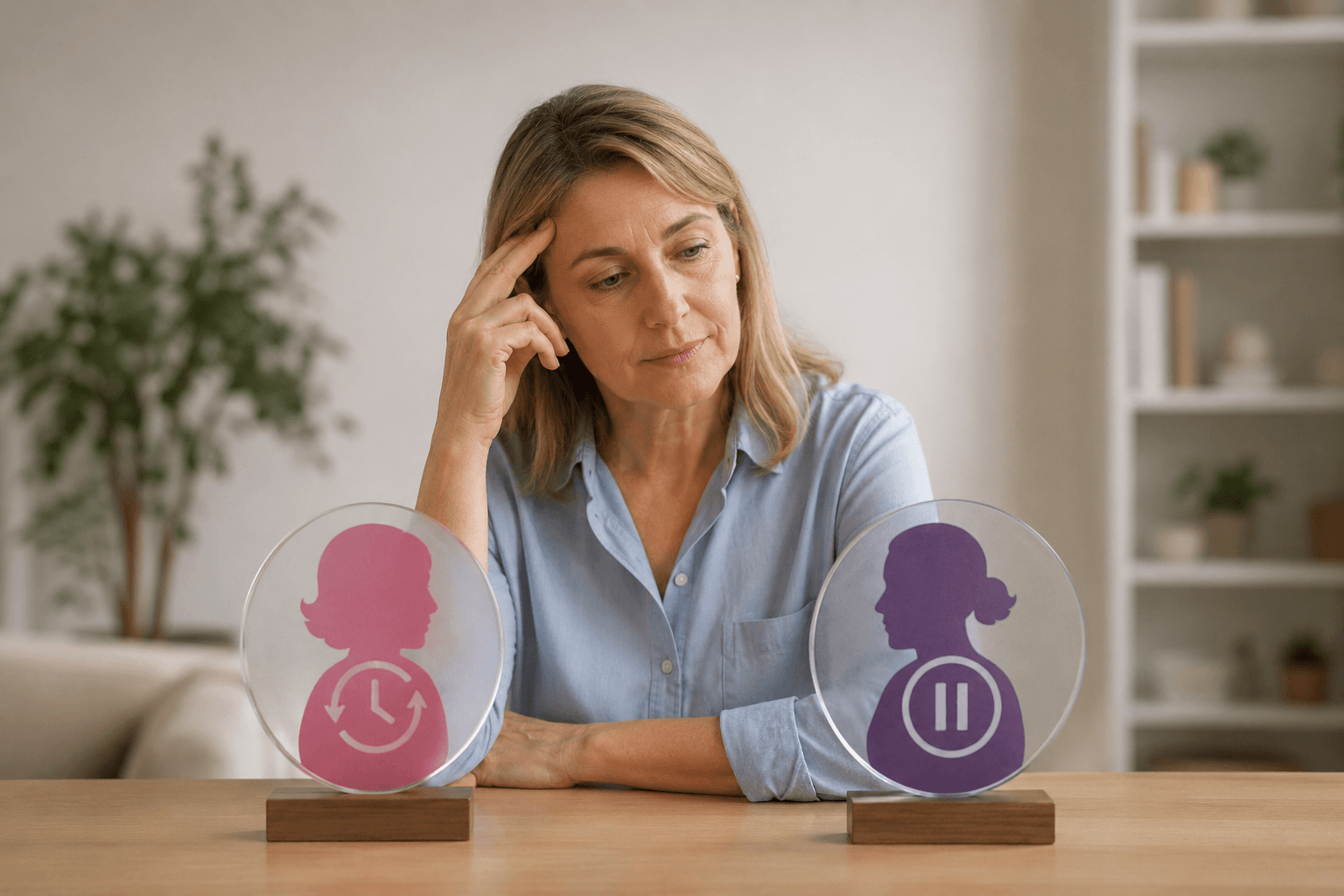
Menopause is reached after a woman has gone 12 consecutive months without a menstrual period. The years leading up to menopause are known as perimenopause, or the menopausal transition.
During this transition, ovarian hormone production changes, and menstrual cycles may become less predictable. The transition commonly begins between ages 45 and 55, although timing varies from woman to woman.
Symptoms can continue for different lengths of time and may change as the transition progresses.
Understanding this distinction can help women recognize that symptoms such as irregular periods and hot flashes may be part of a broader hormonal transition rather than isolated health problems.
Common Symptoms of Menopause
Menopause symptoms can vary considerably. Some women experience several symptoms at once, while others experience very few.
Common symptoms may include:
- Hot flashes
- Night sweats
- Irregular menstrual cycles during perimenopause
- Sleep difficulties
- Mood changes or irritability
- Vaginal dryness
- Discomfort during sexual activity
- Changes in sexual desire
- Difficulty concentrating
- Memory changes
- Fatigue
- Joint and muscle discomfort
- Changes in body composition
- Urinary symptoms
The National Institute on Aging notes that menopause can also be associated with changes in bone density, heart health, and body composition, making healthy habits and preventive care important during and after the transition.
Natural Relief Option #1: Focus on Nourishing Foods
Nutrition becomes particularly important during midlife.
A balanced eating pattern can support overall health while providing nutrients needed for bones, muscles, cardiovascular health, and energy.
Try building meals around:
- Vegetables and fruits
- Whole grains
- Beans and legumes
- Lean protein
- Nuts and seeds
- Healthy fats
- Calcium-rich foods
Calcium and vitamin D are particularly important for maintaining bone health as women age. The National Institute on Aging recommends getting adequate calcium and vitamin D as part of healthy living during and after menopause.
Rather than following restrictive “menopause diets,” focus on sustainable nutrition habits that provide adequate nutrients and support your individual health goals.
Natural Relief Option #2: Stay Physically Active
Regular movement can be an important part of menopause wellness.
Walking, strength training, swimming, dancing, cycling, yoga, and other enjoyable activities can help support physical function and overall wellbeing.
Weight-bearing activity is particularly valuable for maintaining bone strength. Strength training can also help preserve muscle mass, which becomes increasingly important as the body changes with age.
The National Institute on Aging recommends physical activity as part of healthy aging and notes that weight-bearing exercise can support bone health.
The best exercise routine is one that you can maintain consistently. Start at a comfortable level and gradually increase intensity as appropriate for your fitness and health status.
Natural Relief Option #3: Create a Better Sleep Routine
Sleep problems are common during the menopausal transition. Night sweats can interrupt sleep, while stress, mood changes, and changing routines can make it harder to fall asleep or stay asleep.
A calming nighttime routine may help.
Consider:
- Going to bed and waking at consistent times
- Keeping your bedroom comfortably cool
- Limiting caffeine later in the day
- Avoiding large meals close to bedtime
- Exercising regularly, but not immediately before bed
- Reducing screen use in the bedroom
- Creating a relaxing wind-down routine
If persistent insomnia continues despite lifestyle changes, speak with a Health Care Provider. Cognitive behavioral therapy for insomnia is one non-medication approach that has been studied in women experiencing menopausal sleep problems.
Natural Relief Option #4: Manage Stress Through Mind-Body Practices
Hormonal changes are only one part of the menopause experience. Work demands, family responsibilities, relationships, changing identity, and other midlife transitions can also influence emotional wellbeing.
Mind-body practices can provide a gentle way to create space for relaxation.
You might explore:
- Meditation
- Deep breathing
- Gentle yoga
- Mindfulness
- Journaling
- Time in nature
- Stretching
- Relaxation exercises
These practices should not be presented as a cure for menopause, but they can become useful components of a broader wellness routine.
The National Institute on Aging also highlights activities such as mindfulness, yoga, social connection, and meaningful hobbies as supportive habits for healthy aging.
Natural Relief Option #5: Dress for Hot Flashes
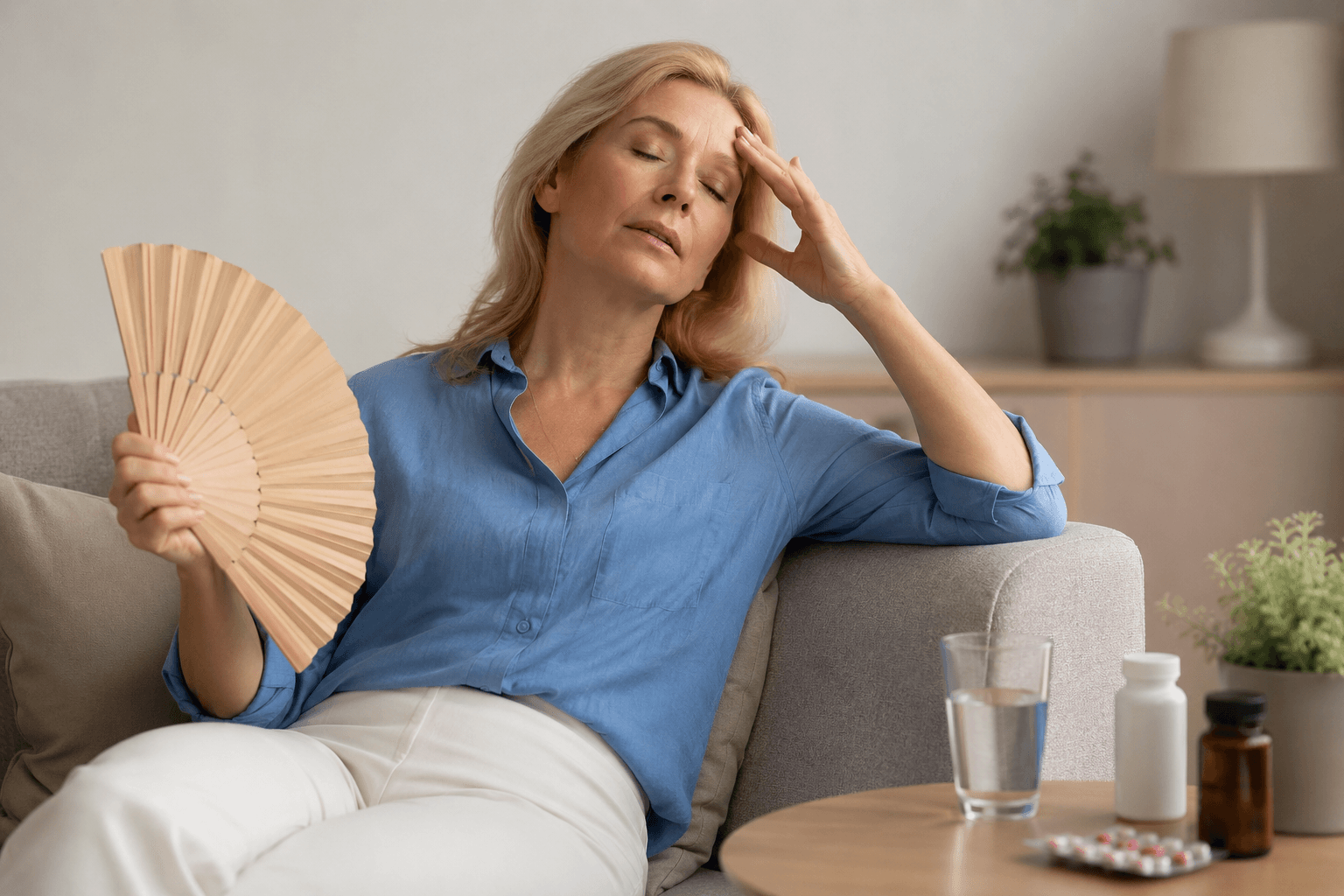
Hot flashes and night sweats are among the most recognizable symptoms of menopause.
Simple environmental adjustments may help some women feel more comfortable.
Try:
- Wearing lightweight layers
- Choosing breathable fabrics
- Keeping the bedroom cool
- Using a fan
- Identifying personal triggers
- Drinking enough water
- Adjusting bedding for nighttime comfort
Some women notice that caffeine, alcohol, spicy foods, or warm environments trigger symptoms. Keeping a symptom journal can help you identify individual patterns.
Not every woman has the same triggers, so observation can be more useful than following a universal list of restrictions.
Natural Relief Option #6: Support Vaginal and Sexual Health
Lower estrogen levels during menopause can contribute to vaginal dryness and discomfort during sexual activity.
This is a common concern, but it should not be dismissed as something women simply have to accept.
Nonprescription water-based lubricants may help reduce discomfort during sexual activity, while vaginal moisturizers may provide ongoing moisture support. Additional treatment options are available when symptoms are persistent or more severe.
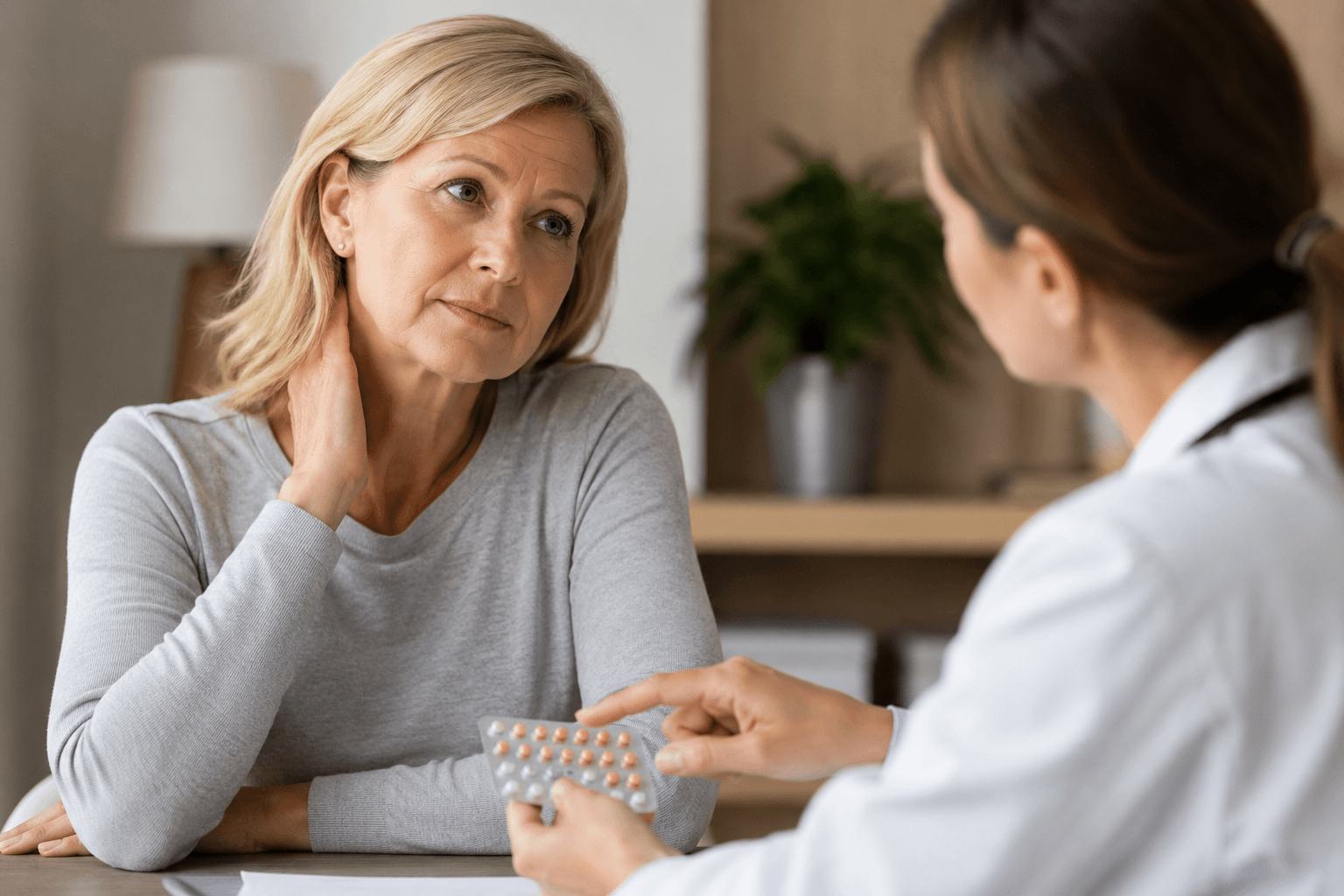
Talking openly with a Health Care Provider can help determine which approach is appropriate for you.
What About Herbal Supplements for Menopause?
Many products are marketed as natural menopause remedies, including herbal supplements and plant-based products.
However, natural does not automatically mean safe, effective, or appropriate for everyone.
Supplements may interact with medications or may not have the same level of evidence as established treatments. Their quality and composition can also vary.
If you are considering herbs or supplements for hot flashes, sleep, mood, or hormonal symptoms, discuss them with a qualified Health Care Provider before starting them. Personalized guidance is particularly important if you take medications or have an existing health condition.
A holistic approach should combine evidence-informed care with respect for your individual preferences rather than assuming that every natural product is beneficial.
When Should You Seek Professional Support?
You do not have to wait until symptoms become severe before seeking support.
Consider talking with a Health Care Provider if menopause symptoms are affecting:
- Sleep
- Work
- Relationships
- Sexual wellbeing
- Mood
- Energy
- Daily activities
- Overall quality of life
It is also important to have unusual bleeding evaluated. The National Institute on Aging recommends seeking healthcare attention for heavy bleeding, bleeding between periods or after sex, periods lasting more than a week, or bleeding after you have gone a full year without a period.
Professional support can also help distinguish menopause symptoms from other health conditions that may cause similar changes.
A Holistic Approach to Menopause Care
Menopause care does not have to focus on one symptom at a time.
A holistic approach considers the complete picture, including physical health, nutrition, movement, sleep, emotional wellbeing, relationships, preventive care, and personal preferences.
For women in Brea, California, Clinique Molière provides menopause management as part of its Well-Woman Care services. The clinic states that its menopause support addresses concerns such as hot flashes, mood changes, and vaginal dryness, while also providing guidance related to bone and heart health. Its services include individualized discussions around hormone replacement therapy, lifestyle modifications, and complementary therapies.
This type of individualized care can help women understand their options rather than feeling pressured to follow one approach.
Embracing Menopause as a New Stage of Wellness
Menopause is not a disease, and experiencing symptoms does not mean something is wrong with you. It is a natural life transition that can bring meaningful changes to the body and everyday life.
Natural relief strategies such as nourishing foods, regular movement, restorative sleep, stress-management practices, and healthy routines can provide an important foundation for wellbeing. At the same time, women should know that additional healthcare options are available when lifestyle measures are not enough. The right approach depends on your symptoms, health history, preferences, and stage of menopause.
If you are navigating hot flashes, sleep changes, mood shifts, vaginal dryness, or other menopause symptoms, you deserve compassionate support rather than simply being told to “live with it.” Work with a trusted Holistic Care Provider or Health Care Provider to understand your symptoms and create a personalized menopause wellness plan that respects your body, lifestyle, and goals. Clinique Molière, Brea, CA | (714) 948-5655 — take this stage of life as an opportunity to prioritize your health, understand your options, and move forward with greater comfort and confidence.