Menopause is a natural stage of life that marks the end of a woman's reproductive years. While every woman experiences menopause differently, this transition often brings physical, emotional, and hormonal changes that can affect daily life, relationships, sleep, energy levels, and overall wellbeing. Understanding what to expect—and knowing how to manage symptoms effectively—can help women navigate this chapter with confidence and resilience.
Rather than viewing menopause as something to simply endure, many women are discovering that it can be an opportunity to prioritize self-care, optimize health, and embrace a new phase of life with greater awareness and empowerment.
For women in Brea and throughout California, a personalized approach to menopause care can help support long-term health and quality of life.
What Is Menopause?
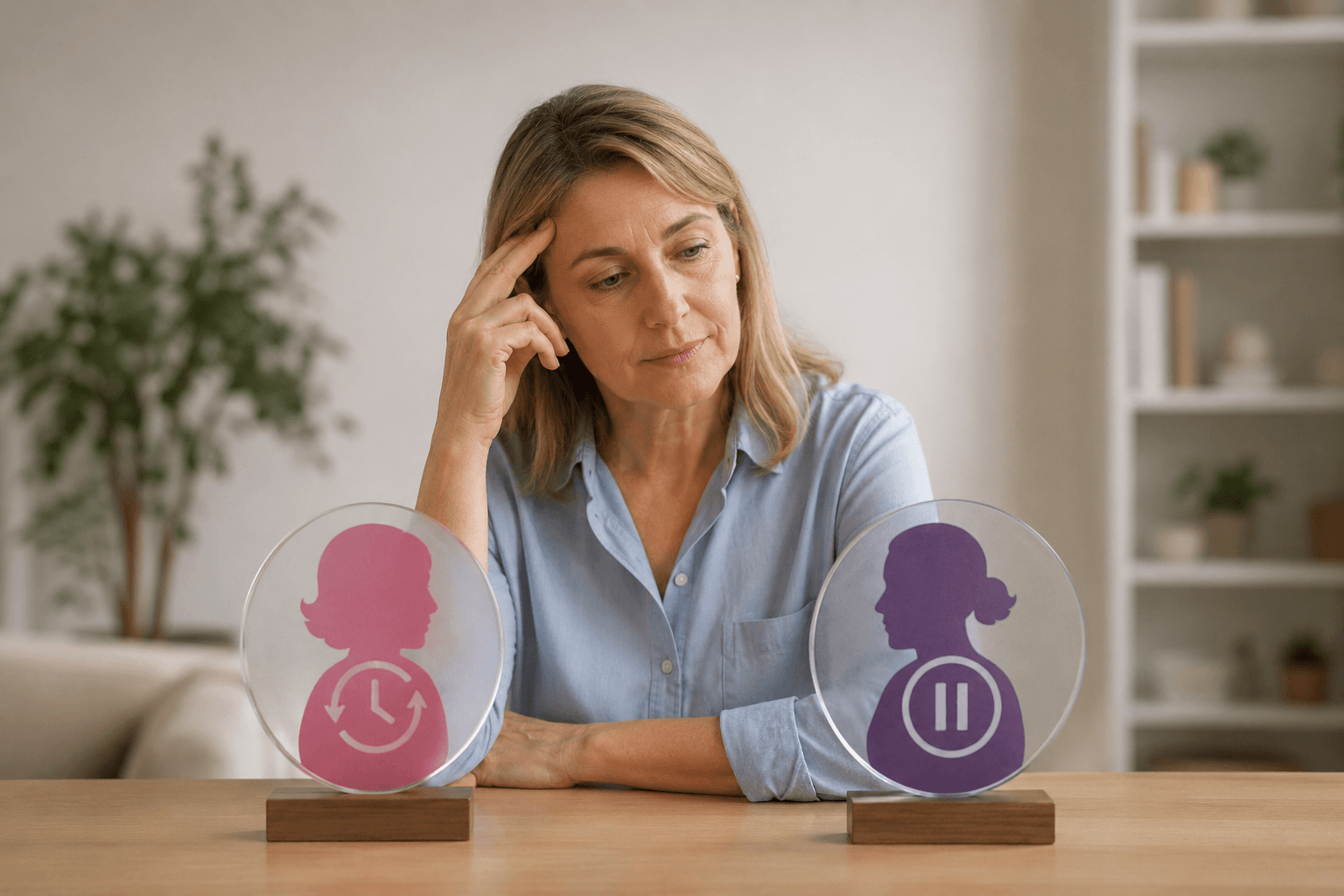
Menopause is officially diagnosed when a woman has gone 12 consecutive months without a menstrual period.
Most women experience menopause between the ages of 45 and 55, although timing can vary.
The transition leading up to menopause is known as perimenopause, during which hormone levels fluctuate and symptoms may begin to appear.
Menopause occurs because the ovaries gradually reduce production of hormones such as:
- Estrogen
- Progesterone
These hormonal changes influence multiple systems throughout the body.
Common Symptoms of Menopause
The menopausal experience varies widely from one woman to another.
Common symptoms may include:
Hot Flashes
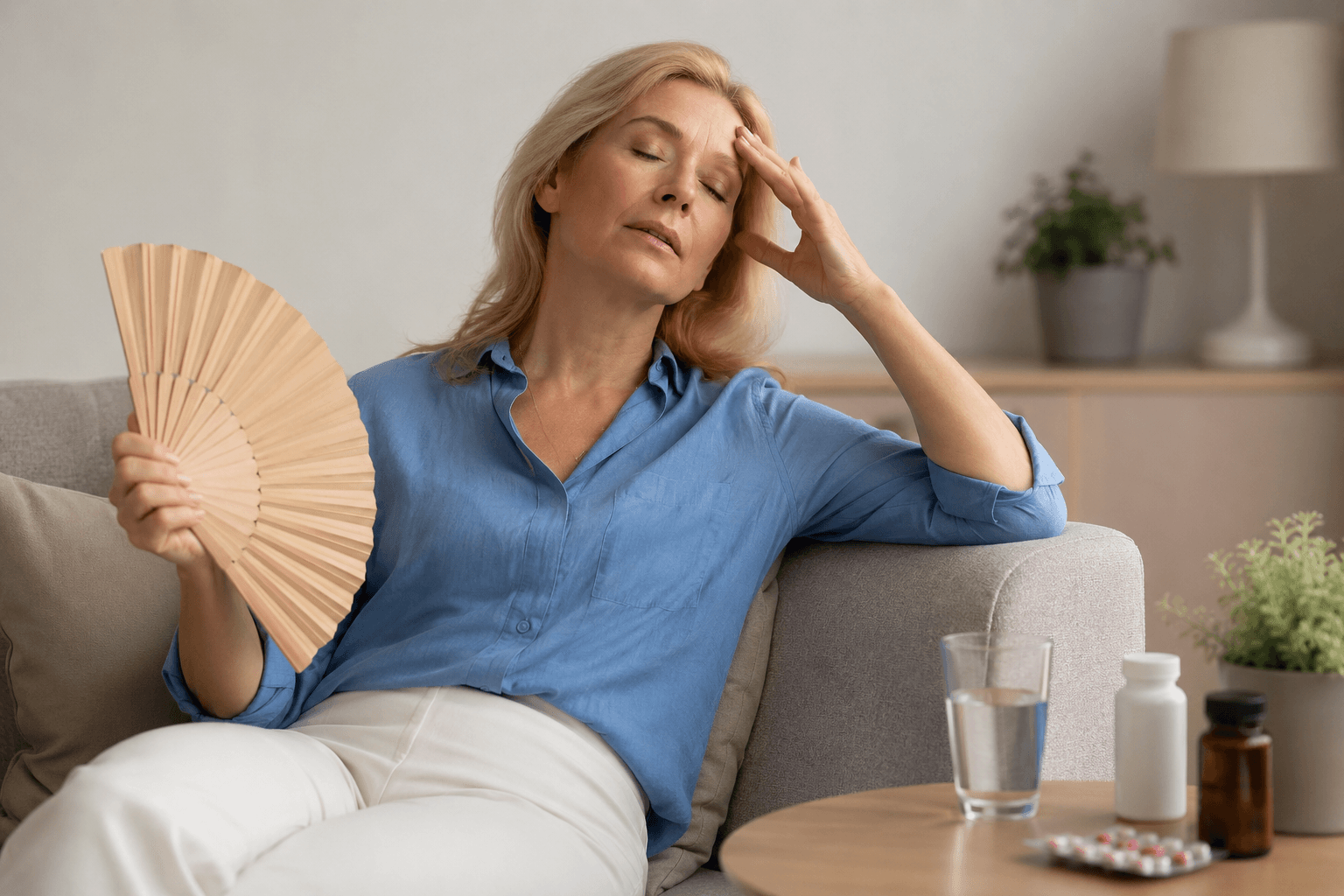
Hot flashes are sudden sensations of warmth that may affect the face, neck, and upper body.
They can range from mild to intense and often occur unexpectedly.
Night Sweats
Night sweats are hot flashes that occur during sleep and may disrupt rest.
Frequent sleep disturbances can contribute to fatigue and mood changes.
Irregular Periods
During perimenopause, menstrual cycles often become unpredictable before eventually stopping altogether.
Sleep Difficulties
Many women experience:
- Difficulty falling asleep
- Frequent waking
- Reduced sleep quality
Sleep disruptions can affect energy levels and overall wellbeing.
Mood Changes
Hormonal fluctuations may contribute to:
- Irritability
- Anxiety
- Emotional sensitivity
- Mood swings
Emotional symptoms deserve attention and support just as much as physical symptoms.
Vaginal Dryness
Reduced estrogen levels can affect vaginal tissues and contribute to discomfort, dryness, or changes in sexual wellbeing.
Brain Fog
Some women report challenges with:
- Concentration
- Memory
- Mental clarity
These symptoms are often temporary but can be frustrating.
Understanding the Long-Term Health Impact
Menopause affects more than reproductive health.
Lower estrogen levels may influence:
Bone Health
Women become more susceptible to bone loss and osteoporosis after menopause.
Heart Health
Cardiovascular risk tends to increase with age and hormonal changes.
Metabolic Health
Changes in body composition and metabolism may occur during midlife.
Regular preventive care remains important throughout and after the menopausal transition.
Treatment Options for Menopause Symptoms
Treatment plans should always be individualized based on symptoms, medical history, and personal preferences.
Hormone Therapy
Hormone therapy may help relieve certain menopausal symptoms by supplementing declining hormone levels.
Potential benefits and risks vary from person to person, making personalized medical guidance essential.
Non-Hormonal Treatments
Some women may benefit from non-hormonal approaches, depending on their symptoms and health history.
Options may include:
- Prescription medications
- Lifestyle modifications
- Stress management strategies
Discussing treatment options with a qualified Health Care Provider helps ensure informed decision-making.
Lifestyle Tips for Managing Menopause
Healthy habits can play a significant role in improving quality of life during menopause.
Prioritize Regular Physical Activity
Exercise may help support:
- Bone strength
- Cardiovascular health
- Mood stability
- Energy levels
- Weight management
Activities such as walking, yoga, swimming, and strength training can be particularly beneficial.
Focus on Nutrition
A balanced diet supports overall wellbeing during menopause.
Important nutrients often include:
- Calcium
- Vitamin D
- Protein
- Fiber
- Healthy fats
Eating a variety of nutrient-dense foods can help support bone, heart, and metabolic health.
Improve Sleep Habits
Better sleep may help reduce fatigue and support emotional wellbeing.
Helpful strategies include:
- Maintaining a consistent sleep schedule
- Limiting screen exposure before bed
- Creating a comfortable sleep environment
- Practicing relaxation techniques
Quality sleep remains a cornerstone of good health.
Manage Stress Effectively
Stress can intensify many menopausal symptoms.
Stress-management practices may include:
- Meditation
- Mindfulness exercises
- Deep breathing
- Journaling
- Gentle movement practices
Supporting emotional health is an important part of menopause care.
Stay Connected
Social support can positively influence emotional wellbeing during life transitions.
Maintaining connections with:
- Family
- Friends
- Support groups
- Healthcare professionals
can help women feel understood and supported.
The Role of Holistic Wellness During Menopause
Many women find value in a holistic approach that addresses:
- Physical symptoms
- Emotional wellbeing
- Lifestyle habits
- Preventive health
- Personal goals
Holistic care focuses on supporting the whole person rather than treating symptoms in isolation.
When to Seek Professional Guidance
Women should consider speaking with a Health Care Provider if menopause symptoms:
- Interfere with daily activities
- Affect sleep significantly
- Cause emotional distress
- Impact relationships or quality of life
- Raise concerns about long-term health
Professional guidance can help identify appropriate treatment options and rule out other health conditions.
Embracing a New Chapter of Health and Wellness
Menopause is not the end of vitality, wellness, or personal growth. It is a natural transition that presents new opportunities to prioritize health, deepen self-awareness, and invest in long-term wellbeing.
With the right education, support, and personalized care, women can successfully manage symptoms, protect their health, and continue thriving throughout midlife and beyond.
Your health journey deserves compassionate and individualized attention at every stage of life. Work with a trusted Holistic Care Provider or Health Care Provider to create a menopause care plan tailored to your unique needs. Clinique Molière, Brea, CA | (714) 948-5655 — and discover comprehensive support designed to help you navigate menopause with confidence, balance, and a renewed focus on lifelong wellness.