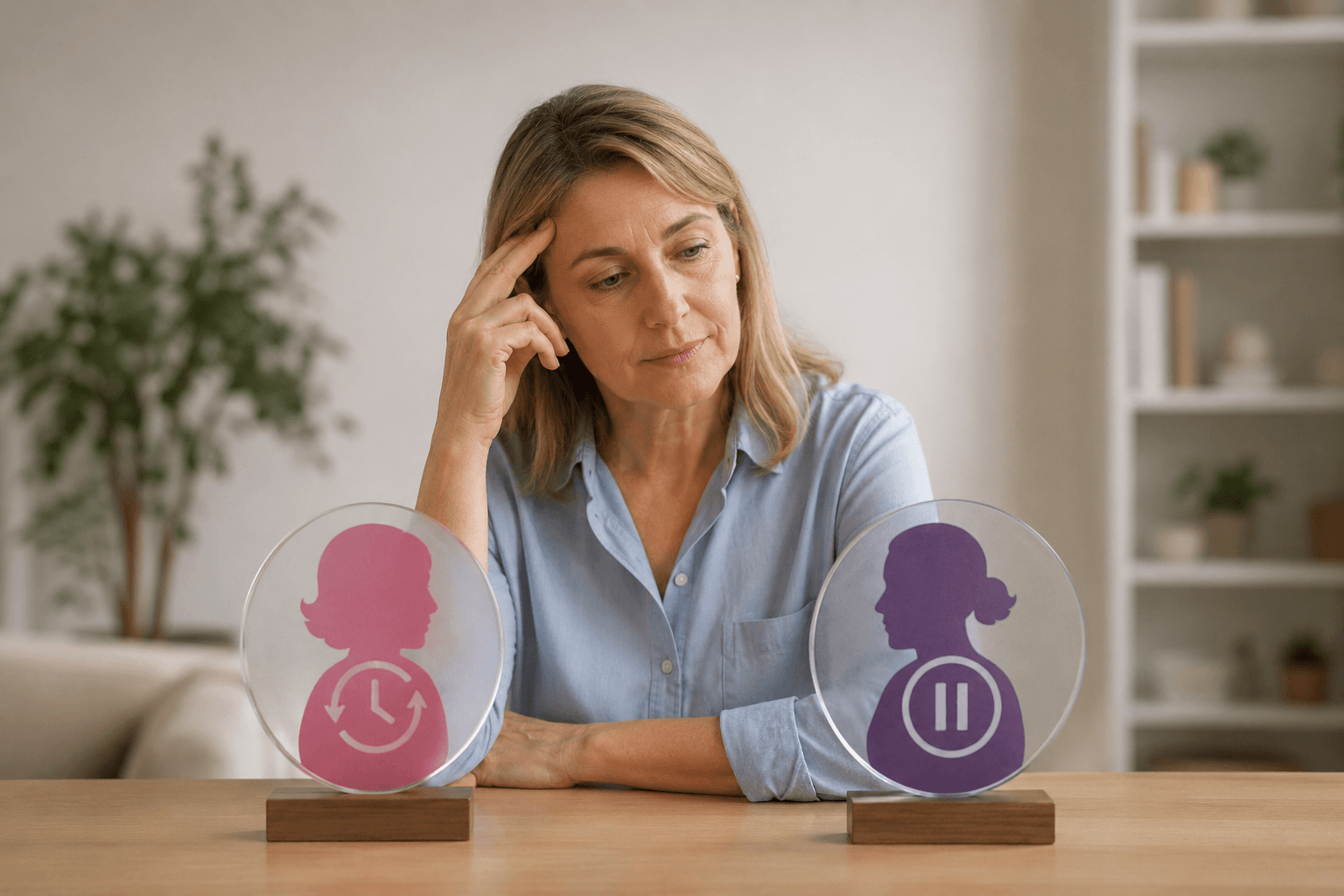

Menopause marks a significant milestone in a woman's life, but it is not the end of vitality, wellness, or personal growth. While the hormonal changes associated with menopause can bring new physical and emotional challenges, they also provide an opportunity to focus on long-term health, self-care, and healthy aging.
Many women enter menopause with questions about how to maintain their energy, protect their bones and heart, manage changing hormones, and continue living an active, fulfilling life. The good news is that with preventive healthcare, healthy lifestyle habits, and personalized support, women can thrive during and after menopause.
For women in Brea and throughout California, embracing a holistic approach to menopause can help support physical health, emotional wellbeing, and a vibrant quality of life for years to come.
Understanding Menopause as a Natural Life Transition
Menopause is officially diagnosed after a woman has gone 12 consecutive months without a menstrual period. It marks the end of the reproductive years and is accompanied by a gradual decline in estrogen and progesterone levels.
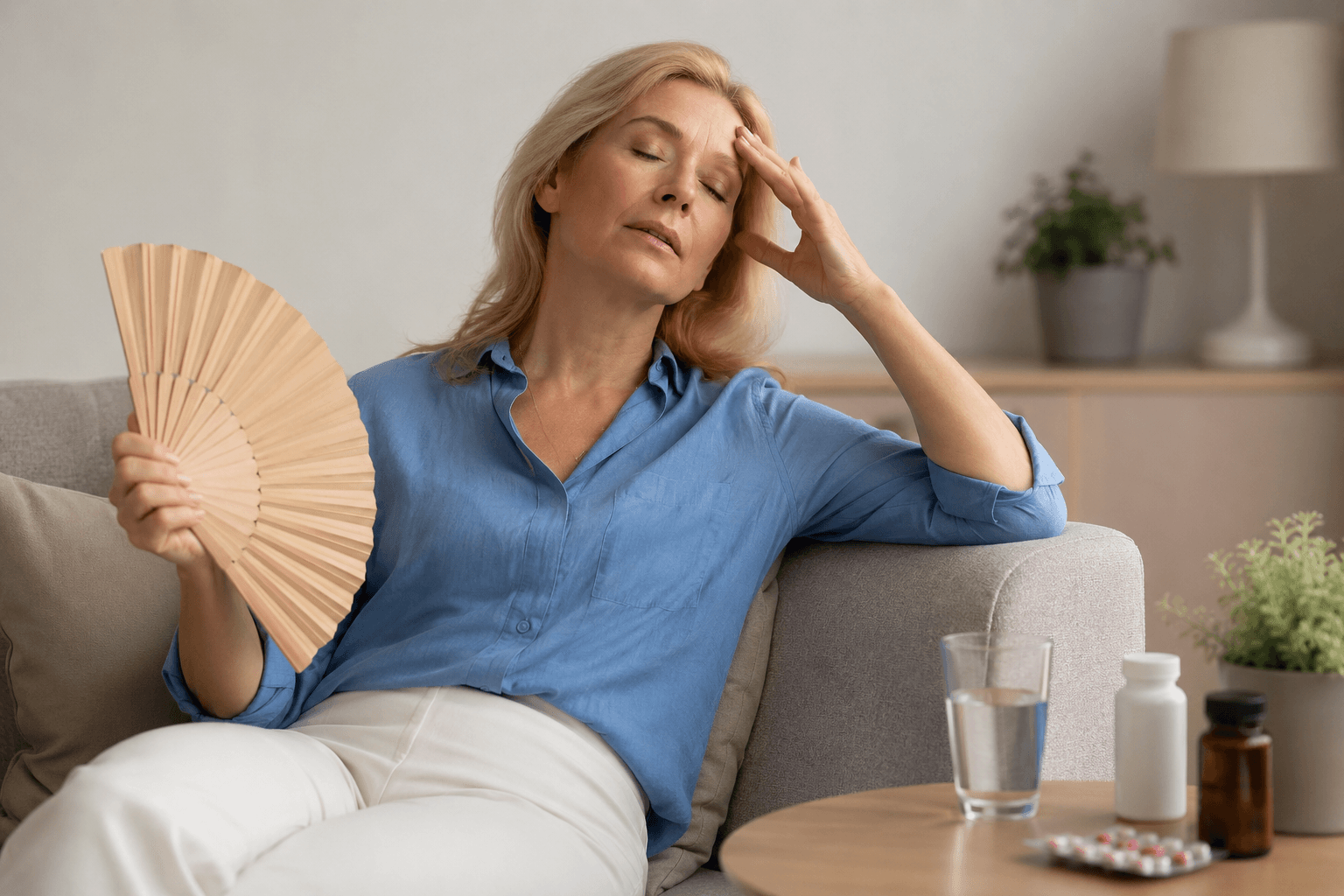
While every woman's experience is unique, common symptoms may include:
- Hot flashes
- Night sweats
- Sleep disturbances
- Mood changes
- Vaginal dryness
- Changes in energy levels
- Difficulty concentrating
- Joint or muscle discomfort
These symptoms vary in intensity and duration, and many can be managed through personalized care and healthy lifestyle choices.
Prioritize Preventive Healthcare
One of the most important aspects of healthy aging is maintaining regular preventive care.
Routine visits with your Health Care Provider or Holistic Care Provider allow for:
- Monitoring blood pressure
- Cholesterol and diabetes screening
- Breast health evaluations
- Cervical cancer screening when appropriate
- Bone health assessments
- Personalized discussions about menopause symptoms
- Preventive care planning
Early detection and ongoing monitoring help support long-term health and wellbeing.
Nourish Your Body With Balanced Nutrition
As hormone levels change, your nutritional needs may also evolve.
A balanced diet can help support:
- Bone strength
- Heart health
- Muscle maintenance
- Energy levels
- Healthy weight management
Focus on including:
- Colorful fruits and vegetables
- Whole grains
- Lean proteins
- Healthy fats
- Calcium-rich foods
- Vitamin D sources
- Foods high in fiber
Limiting highly processed foods, excessive added sugars, and excess sodium may also support overall health.
Stay Physically Active
Regular physical activity is one of the most effective ways to support healthy aging after menopause.
Exercise offers benefits such as:
- Maintaining bone density
- Preserving muscle mass
- Supporting heart health
- Improving balance and flexibility
- Enhancing mood
- Promoting healthy sleep
Aim for a combination of:
Weight-Bearing Activities
Examples include:
- Walking
- Hiking
- Dancing
- Stair climbing
These activities help maintain strong bones.
Strength Training
Resistance exercises help preserve muscle strength, improve balance, and support metabolism.
Flexibility and Balance Exercises
Activities such as yoga and stretching can improve mobility, posture, and fall prevention.
Always consult your healthcare provider before beginning a new exercise program.
Protect Your Bone Health
Lower estrogen levels after menopause can increase the risk of osteoporosis.
To support healthy bones:
- Eat calcium-rich foods
- Ensure adequate vitamin D intake
- Participate in weight-bearing exercise
- Avoid smoking
- Limit excessive alcohol consumption
- Discuss bone density testing with your provider
Strong bones contribute to independence and mobility as you age.
Support Your Heart
Heart disease becomes a greater concern after menopause due to age-related and hormonal changes.
Heart-healthy habits include:
- Regular physical activity
- Eating a balanced diet
- Managing blood pressure
- Monitoring cholesterol levels
- Maintaining a healthy weight
- Managing stress
- Getting adequate sleep
Routine cardiovascular screenings remain an important part of preventive care.
Prioritize Mental and Emotional Wellbeing
Healthy aging includes caring for emotional health as much as physical health.
Women may experience:
- Mood fluctuations
- Increased stress
- Anxiety
- Changes in confidence during life transitions
Helpful strategies include:
- Mindfulness meditation
- Deep breathing exercises
- Journaling
- Spending time in nature
- Maintaining meaningful relationships
- Seeking professional support when needed
Emotional wellbeing is an essential component of overall health.
Improve Sleep Quality
Sleep disturbances are common during and after menopause.
Healthy sleep habits include:
- Maintaining a consistent sleep schedule
- Creating a cool, comfortable bedroom
- Limiting caffeine later in the day
- Reducing screen time before bed
- Practicing relaxation techniques before sleep
Improved sleep supports immune function, mood, and cognitive health.
Stay Socially Connected
Strong social connections contribute to healthy aging and emotional resilience.
Consider:
- Joining community groups
- Volunteering
- Spending time with family and friends
- Participating in hobbies
- Attending wellness classes
Meaningful relationships support both mental and physical wellbeing.
Discuss Treatment Options for Menopause Symptoms
Some women experience mild symptoms, while others may benefit from additional support.
Treatment options vary and may include:
- Lifestyle modifications
- Non-hormonal therapies
- Hormone therapy for appropriate candidates
- Vaginal health treatments
- Integrative wellness approaches
Your Health Care Provider can help determine which options are most appropriate based on your medical history, symptoms, and personal preferences.
Embrace Healthy Aging With Confidence
Healthy aging is not about avoiding change—it is about adapting to it with knowledge, resilience, and self-care. Menopause is a natural transition that offers an opportunity to prioritize preventive healthcare, strengthen healthy habits, and invest in your long-term wellbeing.
By focusing on balanced nutrition, regular physical activity, emotional wellness, quality sleep, and ongoing preventive care, women can continue to lead active, fulfilling, and vibrant lives well beyond menopause.
Every stage of life deserves compassionate support and personalized care. Work with a trusted Holistic Care Provider or Health Care Provider to create a wellness plan that helps you navigate menopause and embrace healthy aging with confidence. Clinique Molière, Brea, CA | (714) 948-5655 — and discover comprehensive, holistic care designed to support your health, vitality, and quality of life for years to come.