
Menopause is a natural stage of life, but the symptoms that accompany it can significantly affect a woman's comfort, sleep, mood, energy levels, and overall quality of life. For some women, lifestyle adjustments may be enough to manage these changes. For others, symptoms such as hot flashes, night sweats, sleep disturbances, and vaginal dryness can become disruptive enough to warrant additional treatment options.
One of the most discussed and often misunderstood treatments for menopausal symptoms is hormone therapy. While hormone therapy has helped many women find relief, it is also surrounded by misconceptions, outdated information, and concerns about safety. Understanding the potential benefits, risks, and realities of hormone therapy can help women make informed decisions in partnership with their healthcare providers.
For women in Brea and throughout California, menopause care is most effective when it is personalized, evidence-informed, and aligned with individual health goals.
What Is Hormone Therapy?
Hormone therapy, sometimes referred to as menopausal hormone therapy, is a treatment designed to supplement hormones that naturally decline during menopause.
The primary hormones involved include:
- Estrogen
- Progesterone
Depending on a woman's medical history and treatment goals, hormone therapy may involve:
- Estrogen alone
- A combination of estrogen and progesterone
- Different delivery methods such as pills, patches, gels, sprays, or vaginal preparations
Treatment plans should always be individualized based on personal health needs and risk factors.
Why Hormone Levels Change During Menopause
As women approach menopause, the ovaries gradually produce lower levels of estrogen and progesterone.
These hormonal changes contribute to many common symptoms, including:
- Hot flashes
- Night sweats
- Sleep disturbances
- Mood changes
- Vaginal dryness
- Changes in sexual wellbeing
Hormone therapy aims to reduce symptoms by partially replacing declining hormone levels.
Potential Benefits of Hormone Therapy
For appropriate candidates, hormone therapy may provide meaningful symptom relief.
Relief From Hot Flashes
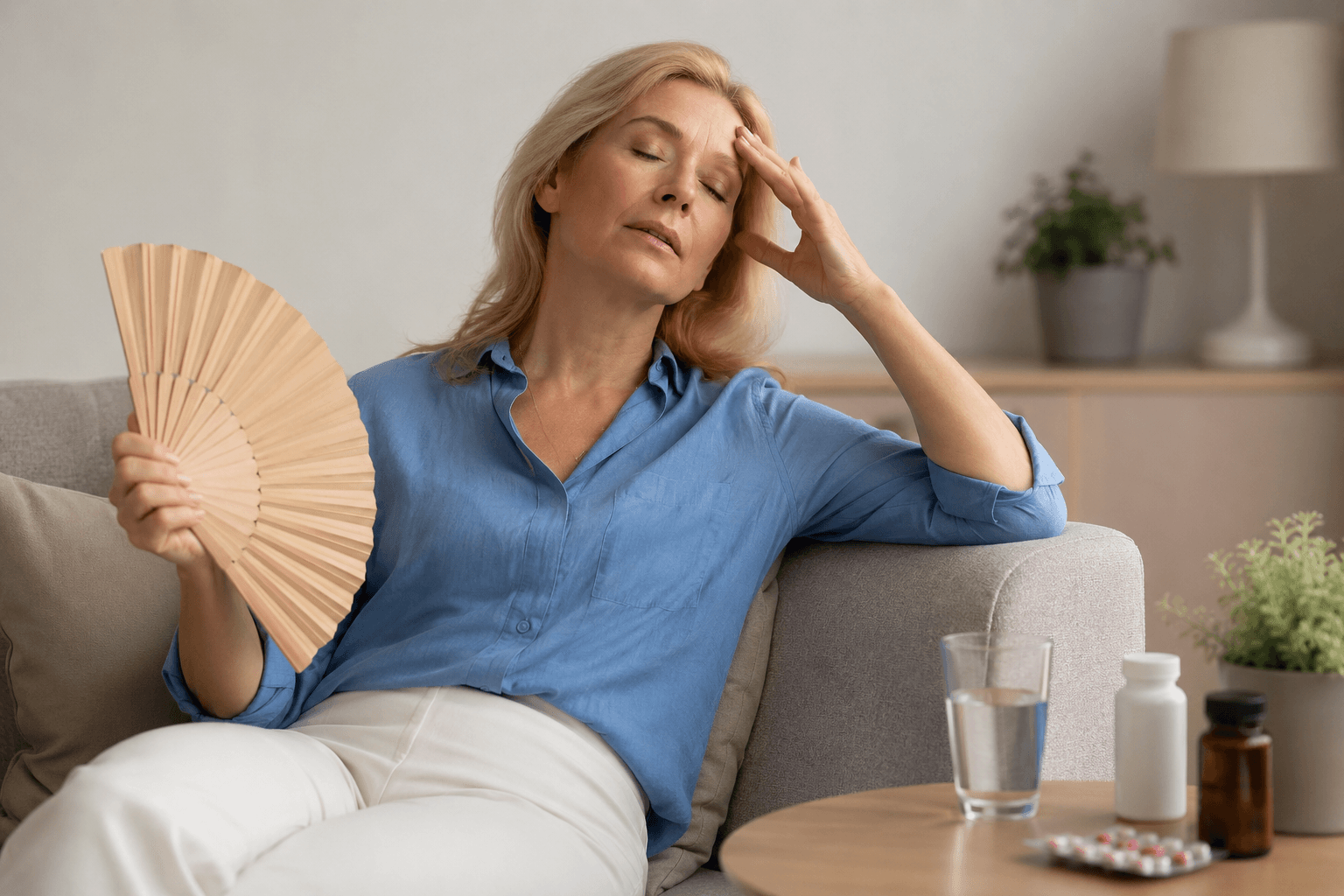
Hot flashes are among the most common reasons women seek treatment.
Hormone therapy may help:
- Reduce frequency
- Reduce severity
- Improve daily comfort
Improved Sleep
Because hot flashes and night sweats often disrupt sleep, symptom improvement may contribute to better rest and overall wellbeing.
Support for Vaginal Health
Lower estrogen levels can contribute to:
- Vaginal dryness
- Irritation
- Discomfort during intimacy
Certain forms of hormone therapy may help support vaginal tissue health.
Improved Quality of Life
Many women report improvements in:
- Daily functioning
- Energy levels
- Emotional wellbeing
- Overall comfort
The impact of symptom relief can extend into multiple areas of life.
Potential Risks of Hormone Therapy
Like any medical treatment, hormone therapy involves potential risks and benefits.
Risk profiles vary depending on factors such as:
- Age
- Overall health
- Medical history
- Type of hormone therapy
- Timing of treatment initiation
Some women may have health conditions that make hormone therapy less appropriate.
Because treatment decisions are highly individualized, consultation with a qualified Health Care Provider is essential.
Common Myths About Hormone Therapy
Misinformation often creates unnecessary fear and confusion. Understanding the facts can help women evaluate treatment options more accurately.
Myth #1: Hormone Therapy Is Unsafe for All Women
Reality:
Hormone therapy is not automatically unsafe. For many healthy women experiencing menopausal symptoms, it may be an appropriate option when prescribed and monitored by a healthcare professional.
Individual risk assessment remains critical.
Myth #2: Menopause Symptoms Must Simply Be Endured
Reality:
While menopause is a natural transition, women do not have to suffer through severe symptoms without support.
A variety of treatment options are available, including:
- Hormone therapy
- Lifestyle modifications
- Non-hormonal therapies
- Holistic wellness approaches
Women deserve access to information and treatment choices that support their wellbeing.
Myth #3: Hormone Therapy Causes Significant Weight Gain
Reality:
Weight changes during midlife are influenced by many factors, including:
- Aging
- Activity levels
- Metabolism
- Sleep quality
- Lifestyle habits
Hormone therapy is not considered the sole cause of weight gain during menopause.
Myth #4: Hormone Therapy Works the Same for Everyone
Reality:
Every woman's experience is unique.
Factors such as:
- Symptom severity
- Medical history
- Health goals
- Personal preferences
all influence treatment decisions and outcomes.
Personalized care remains essential.
Lifestyle Strategies That Complement Menopause Care
Whether or not a woman chooses hormone therapy, healthy lifestyle habits can support overall wellbeing.
Regular Physical Activity
Exercise may help:
- Support bone health
- Improve cardiovascular wellness
- Enhance mood
- Promote healthy aging
Balanced Nutrition
Nutrient-rich foods support:
- Bone strength
- Metabolic health
- Energy levels
Stress Management
Techniques such as:
- Meditation
- Yoga
- Deep breathing
- Mindfulness
may support emotional wellbeing and resilience.
Sleep Prioritization
Healthy sleep habits can positively affect mood, energy, and overall health.
Questions to Ask Your Healthcare Provider
If you are considering hormone therapy, helpful questions may include:
- What benefits might I reasonably expect?
- What risks apply to my personal health history?
- What treatment options are available?
- How long might therapy be recommended?
- Are there non-hormonal alternatives I should consider?
Open discussions help women make informed and confident decisions.
The Importance of Individualized Care
There is no one-size-fits-all solution for menopause management.
Some women find significant relief through hormone therapy, while others prefer non-hormonal approaches or lifestyle-focused strategies.
The most effective care plans are tailored to:
- Individual symptoms
- Medical history
- Personal preferences
- Long-term health goals
Personalized guidance allows women to choose the approach that best supports their overall wellbeing.
Making Informed Decisions About Menopause Care
Menopause is a natural life transition, but that does not mean women must navigate it alone. Understanding the realities of hormone therapy—including both its potential benefits and limitations—can help women separate facts from myths and make decisions based on reliable information rather than fear.
Whether you choose hormone therapy, lifestyle modifications, or a combination of approaches, the goal is the same: supporting your health, comfort, and quality of life during this important stage of life.
Your health deserves thoughtful, individualized care at every age. Work with a trusted Holistic Care Provider or Health Care Provider to explore menopause treatment options and create a wellness plan that reflects your unique needs and goals. Clinique Molière, Brea, CA | (714) 948-5655 — and receive compassionate support designed to help you navigate menopause with confidence, balance, and long-term wellbeing.