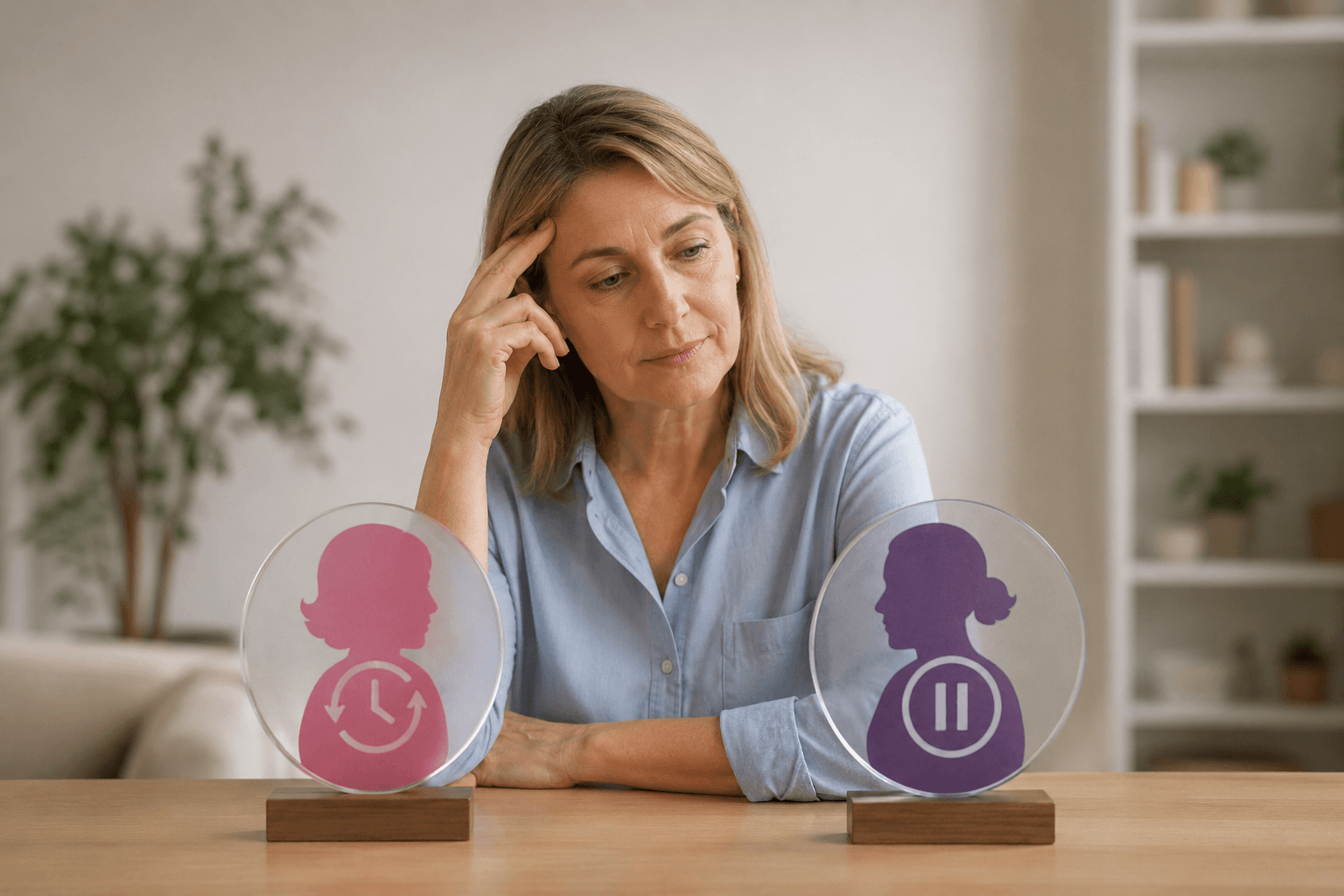
Many women are familiar with the term menopause, but fewer understand the important transitional phase that often comes before it: perimenopause. Because the symptoms of these two stages can overlap, it is common for women to feel confused about where they are in the hormonal transition process and what changes they should expect.
Understanding the differences between perimenopause and menopause can help women make informed decisions about their health, seek appropriate support, and approach this natural life stage with greater confidence and clarity. Rather than viewing these transitions as something to fear, women can see them as opportunities to prioritize wellness, preventive care, and long-term health.
For women in Brea and throughout California, understanding hormonal changes is an important part of maintaining physical, emotional, and overall wellbeing throughout midlife and beyond.
What Is Perimenopause?
Perimenopause is the transitional period leading up to menopause. During this time, the ovaries gradually begin producing lower and more fluctuating levels of estrogen and progesterone.
Perimenopause can begin several years before menopause and often starts during a woman's 40s, although some women may notice changes earlier or later.
During this stage, menstrual periods continue, but hormonal fluctuations can lead to a variety of symptoms and cycle changes.
What Is Menopause?
Menopause is officially diagnosed when a woman has gone 12 consecutive months without a menstrual period.
At this point:
- Ovulation has stopped
- Menstrual cycles have ended
- Reproductive hormone levels have significantly declined
Menopause is not a process but a specific point in time that marks the end of reproductive years.
After menopause occurs, a woman enters the postmenopausal stage.
The Timeline: Perimenopause vs Menopause
Understanding the timeline can help clarify the distinction.
Perimenopause
- Transitional phase before menopause
- Periods still occur, although often irregularly
- Hormone levels fluctuate significantly
- Symptoms may come and go
Menopause
- Defined as 12 months without a menstrual period
- Marks the official end of reproductive function
- Hormone levels stabilize at lower levels
Postmenopause
- The years following menopause
- Menopausal symptoms may continue for some women
- Long-term health considerations become increasingly important
Changes in Menstrual Cycles
One of the most noticeable signs of perimenopause is a change in menstrual patterns.
Women may experience:
- Longer cycles
- Shorter cycles
- Heavier bleeding
- Lighter bleeding
- Missed periods
- Unpredictable timing
During menopause, periods stop entirely.
Any unexpected bleeding after menopause should be evaluated by a healthcare professional.
Common Symptoms of Perimenopause
Hormonal fluctuations during perimenopause can affect many aspects of health.
Common symptoms may include:
Hot Flashes
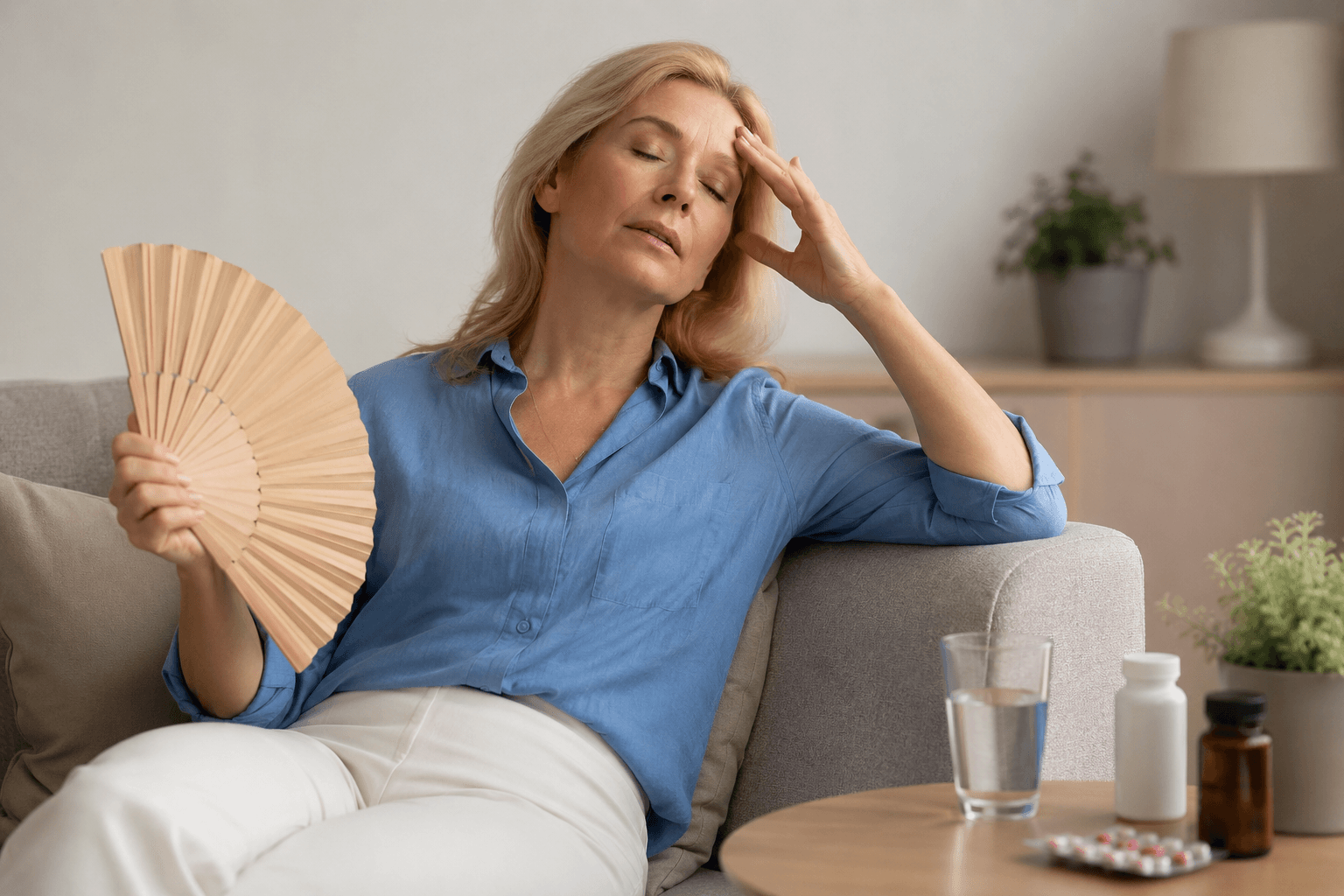
Sudden feelings of warmth, often affecting the face, neck, and upper body.
Night Sweats
Episodes of excessive sweating during sleep that may disrupt rest.
Mood Changes
Some women experience:
- Irritability
- Emotional sensitivity
- Anxiety
- Mood fluctuations
Sleep Disturbances
Difficulty falling asleep or staying asleep becomes more common.
Changes in Energy Levels
Fatigue may occur due to hormonal changes, sleep disruption, or both.
Brain Fog
Women sometimes report:
- Forgetfulness
- Difficulty concentrating
- Reduced mental clarity
Because hormone levels fluctuate significantly during perimenopause, symptoms may vary from month to month.
Symptoms During Menopause and Beyond
Many symptoms experienced during perimenopause can continue into menopause and postmenopause.
Common concerns may include:
- Hot flashes
- Night sweats
- Vaginal dryness
- Sleep difficulties
- Mood changes
- Changes in sexual health
However, symptom severity and duration vary considerably among individuals.
Hormonal Differences Between the Two Stages
Perimenopause
Hormones fluctuate unpredictably.
Estrogen levels may:
- Rise significantly at times
- Drop unexpectedly
- Change from cycle to cycle
This hormonal instability often contributes to many symptoms.
Menopause
Hormone levels remain consistently lower.
While symptoms may continue, hormone fluctuations are typically less dramatic than during perimenopause.
Long-Term Health Considerations
The hormonal changes associated with menopause can influence several aspects of long-term health.
Areas that deserve attention include:
Bone Health
Lower estrogen levels may contribute to bone loss and increased osteoporosis risk.
Heart Health
Cardiovascular risk tends to increase with age and hormonal changes.
Metabolic Health
Women may notice changes in:
- Weight distribution
- Metabolism
- Body composition
Preventive healthcare becomes increasingly important during and after the menopausal transition.
Lifestyle Strategies That Support Both Stages
Healthy habits can help women manage symptoms and support overall wellbeing.
Helpful strategies may include:
Regular Physical Activity
Exercise supports:
- Heart health
- Bone strength
- Mood regulation
- Energy levels
Balanced Nutrition
A nutrient-rich diet can help support:
- Bone health
- Metabolic function
- Overall wellness
Stress Management
Mindfulness practices, yoga, breathing exercises, and relaxation techniques may help support emotional wellbeing.
Quality Sleep
Prioritizing healthy sleep habits can improve energy, mood, and overall health.
When to Seek Professional Guidance
Women should consider discussing symptoms with a Health Care Provider if they experience:
- Significant sleep disturbances
- Severe hot flashes
- Emotional distress
- Concerns about menstrual changes
- Questions regarding treatment options
Personalized care can help women understand their symptoms and explore appropriate management strategies.
Embracing the Transition With Confidence
Perimenopause and menopause are natural stages of life, but understanding the differences between them can make the journey feel far less confusing. Perimenopause is the transition marked by hormonal fluctuations and changing cycles, while menopause is the milestone reached after 12 consecutive months without a period.
With knowledge, support, and proactive healthcare, women can navigate both stages with confidence and continue prioritizing their physical, emotional, and long-term wellbeing.
Your health deserves compassionate care at every stage of life. Work with a trusted Holistic Care Provider or Health Care Provider to better understand hormonal changes, manage symptoms, and support your overall wellness goals. Clinique Molière, Brea, CA | (714) 948-5655 — and receive personalized guidance designed to help you thrive through perimenopause, menopause, and beyond.