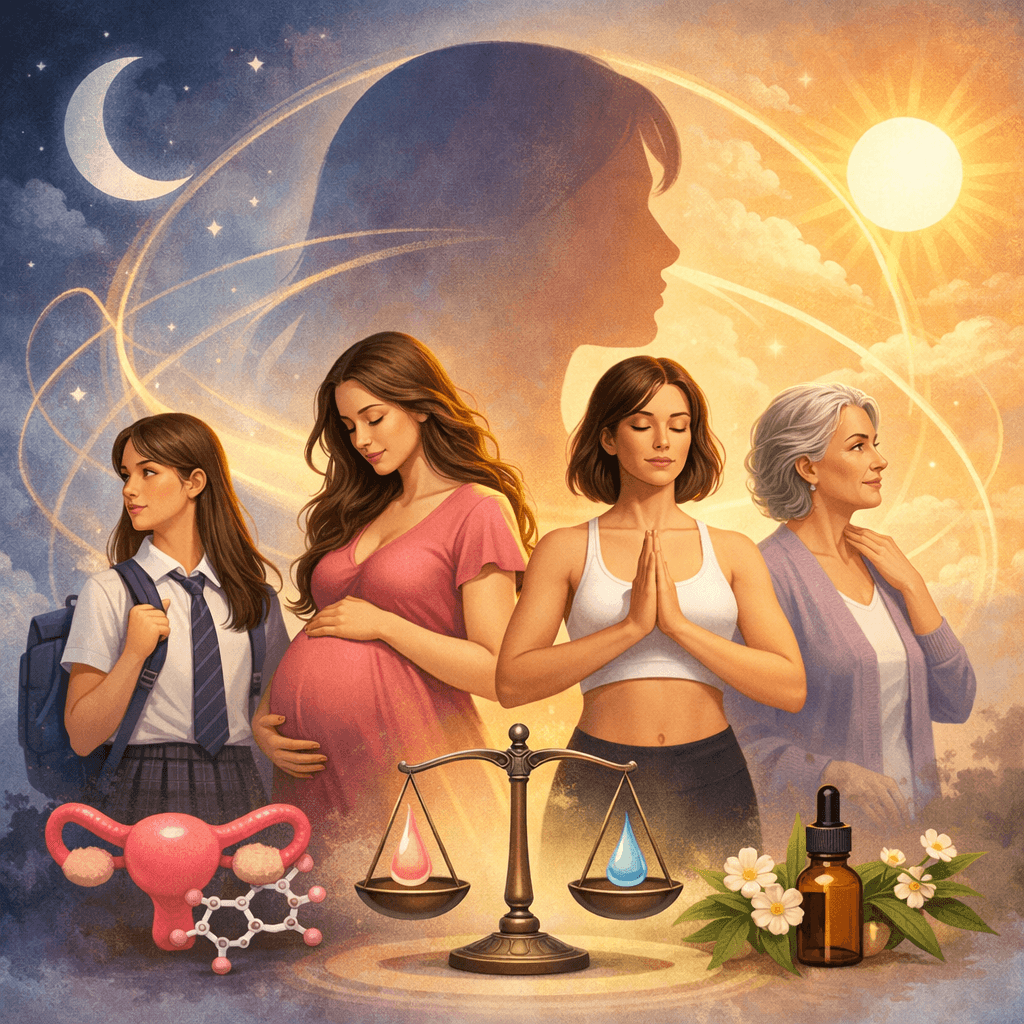
Hormones influence nearly every stage of a woman’s life. From the first menstrual cycle in adolescence to the transitions of menopause and beyond, these powerful chemical messengers affect mood, metabolism, fertility, sleep, skin health, energy, and emotional wellbeing. Yet many women move through life without fully understanding how hormones shape their daily experience.
Hormonal intelligence means learning to recognize patterns, respect the body’s changing needs, and support balance through each life phase. Rather than seeing hormones as a problem to fight, this holistic perspective views them as valuable signals that can guide healthier choices.
For women in Brea and throughout California, building hormonal awareness can create a stronger foundation for lifelong wellness.
What Is Hormonal Intelligence?
Hormonal intelligence is the ability to understand how hormonal changes affect your body, emotions, and health across time.
It includes:
- Recognizing natural life-stage transitions
- Understanding cycle-related changes
- Responding to symptoms early
- Supporting the body through nutrition, sleep, movement, and stress care
- Seeking personalized guidance when needed
This mindset transforms confusion into clarity and frustration into empowerment.
Puberty: The Beginning of Hormonal Awareness
Puberty marks the first major hormonal transition. During this stage, rising reproductive hormones influence growth, mood, menstrual cycles, and body development.
Common experiences may include:
- Irregular early cycles
- Skin changes
- Emotional sensitivity
- Energy fluctuations
- Body image concerns
This is an important time to build healthy habits and normalize conversations around menstrual health and emotional wellbeing.
Reproductive Years: Cycles, Stress, and Fertility
During the reproductive years, hormones shift rhythmically throughout each menstrual cycle. Estrogen, progesterone, insulin, cortisol, and thyroid function can all affect how a woman feels.
Women may notice:
- Mood changes before menstruation
- Fatigue at certain times of the month
- Cravings or blood sugar shifts
- Cycle irregularity during stress
- Fertility concerns in the 30s or later
Understanding these patterns can help women align lifestyle choices with their body’s rhythms rather than working against them.
Pregnancy and Postpartum: Rapid Hormonal Transformation
Pregnancy creates one of the most dramatic hormonal changes in life. These shifts support the baby’s growth while also affecting mood, sleep, digestion, and emotional sensitivity.
After birth, hormone levels change quickly again, which may contribute to:
- Mood swings
- Fatigue
- Emotional vulnerability
- Sleep disruption
- Changes in appetite and recovery needs
Compassionate postpartum support is essential during this period of adjustment.
Perimenopause: The Transition Few Women Expect
Perimenopause often begins in the late 30s or 40s and can last several years before menopause. Hormones may fluctuate unpredictably during this stage.
Common signs include:
- Irregular periods
- Sleep disturbances
- Anxiety or irritability
- Brain fog
- Hot flashes
- Lower stress tolerance
Because symptoms can appear gradually, many women do not realize hormones may be playing a role. Awareness can make this transition far less confusing.
Menopause and Post-Menopause: A New Chapter
Menopause marks twelve consecutive months without a menstrual cycle. Post-menopause is the phase that follows, bringing a new hormonal baseline.
This stage can be an opportunity to focus on:
- Bone health
- Heart health
- Strength training and movement
- Stress resilience
- Meaningful lifestyle redesign
- Emotional clarity and renewed priorities
Rather than an ending, many women experience this as a powerful new beginning.
Daily Foundations for Hormonal Balance
While hormones naturally change, supportive habits can improve balance and resilience at every age.
Nutrition
- Balanced meals with protein, fiber, and healthy fats
- Stable blood sugar through regular eating patterns
- Nutrient-dense whole foods
Sleep
- Consistent sleep schedule
- Reduced evening overstimulation
- Restorative routines
Movement
- Walking
- Strength training
- Yoga or mobility work
- Gentle consistency over extremes
Stress Support
- Mindfulness
- Deep breathing
- Boundaries with overload
- Quiet recovery time
These basics often have a powerful hormonal impact.
Listening to Symptoms as Signals
Symptoms are often messages, not inconveniences to ignore.
Examples include:
- Exhaustion signaling stress overload
- Cycle irregularity reflecting imbalance
- Mood shifts connected to sleep or hormones
- Weight changes linked to metabolic stress
Hormonal intelligence means responding with curiosity rather than self-criticism.
The Value of Personalized Holistic Care
Every woman’s hormonal story is unique. Genetics, lifestyle, stress, life stage, and health history all matter. Personalized support can help women understand what is normal, what needs attention, and what strategies fit their real lives.
A trusted Health Care Provider or Holistic Care Provider can help with:
- Life-stage guidance
- Preventive wellness planning
- Emotional and physical symptom support
- Sustainable habit changes
- Confidence through transitions
Wisdom Through Every Transition
Hormonal balance is not about being the same forever. It is about adapting wisely as the body changes over time. Each stage—from puberty to post-menopause—offers new lessons, strengths, and opportunities for growth.
When women understand their hormones, they often feel less overwhelmed and more connected to themselves.
Your pregnancy is a time of growth, strength, and love. Don’t let stress take away your peace. Work with a trusted Holistic Care Provider or Health Care Provider to build confidence, balance, and well-being at every stage of your journey. Clinique Molière, Brea, CA | (714) 948-5655 — and discover supportive care that helps you move through every hormonal chapter with clarity, strength, and confidence.