The postpartum period is a time of profound physical and emotional change. After pregnancy and birth, your body needs time to recover while adapting to the demands of caring for a newborn. Nutritious food can play an important role in supporting healing, restoring energy, maintaining healthy nutrient stores, and—when breastfeeding—supporting milk production.
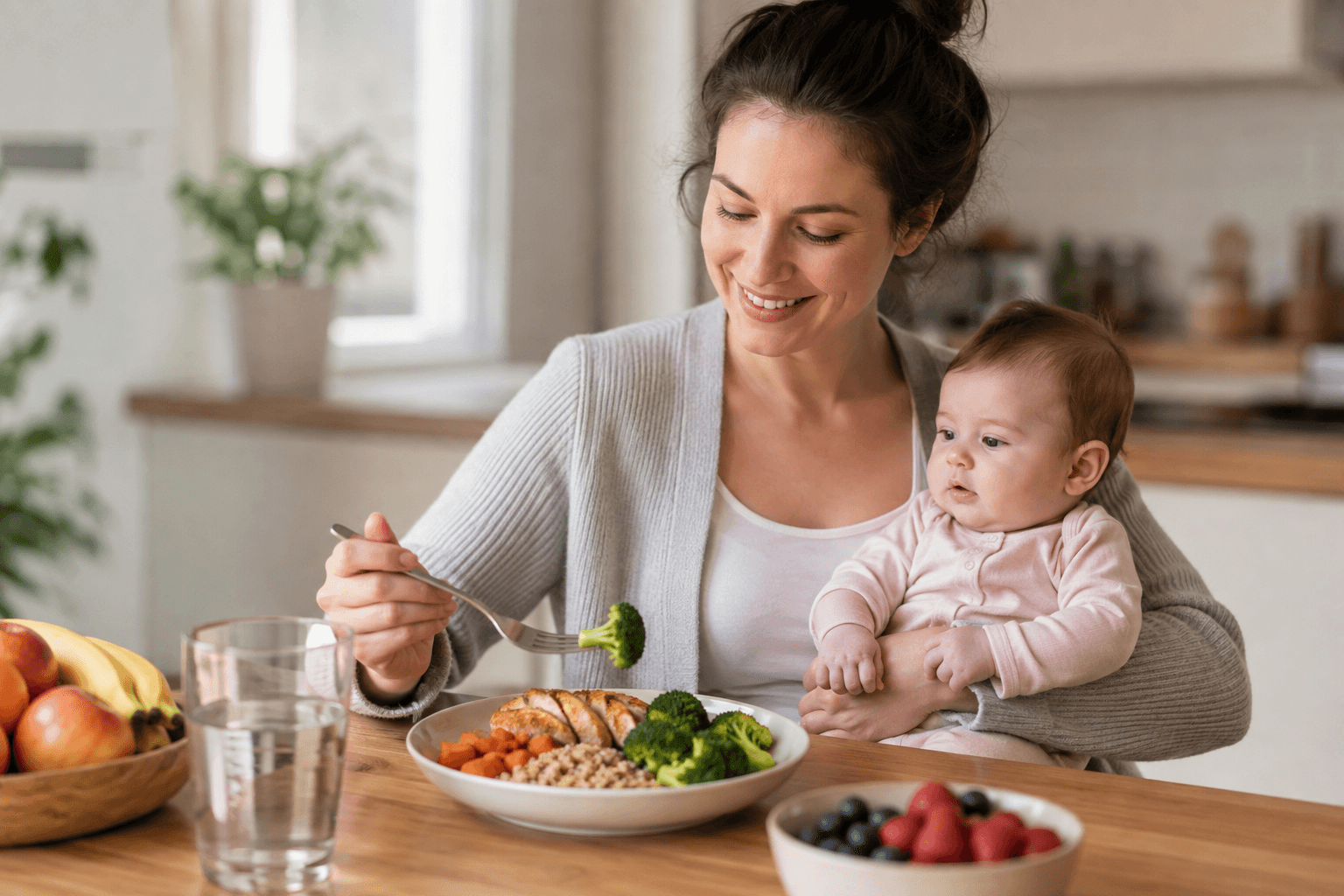
Postpartum nutrition does not need to be complicated. New mothers often have limited time and may be tired, but simple, nutrient-dense meals and snacks can make a meaningful difference. The goal is not rapid weight loss or restrictive dieting. Instead, postpartum nutrition should focus on healing, nourishment, hydration, and sustainable energy.
For new mothers in Brea, California, personalized postpartum guidance can help address individual nutritional needs while supporting recovery and overall well-being.
Why Nutrition Matters After Birth
Pregnancy and childbirth place significant demands on the body. During the postpartum period, nutritious foods provide nutrients needed for:
- Tissue healing after birth
- Recovery from blood loss
- Restoring nutrient stores
- Supporting immune function
- Maintaining energy
- Supporting healthy digestion
- Breastfeeding, when applicable
- Emotional and physical wellbeing
Your nutritional needs can also change depending on whether you had a vaginal birth or cesarean delivery, whether you are breastfeeding, and whether you experienced complications during pregnancy or birth.
Focus on Protein-Rich Foods
Protein is an important building block for tissue repair and recovery.
Good options include:
- Eggs
- Chicken or turkey
- Fish low in mercury
- Greek yogurt
- Cottage cheese
- Beans and lentils
- Tofu and tempeh
- Nuts and seeds
Try including a source of protein with each main meal and snack.
For example, a quick postpartum breakfast could combine eggs with whole-grain toast and fruit, while yogurt with berries and nuts can make an easy snack.
Include Iron-Rich Foods
Iron is especially important after childbirth because blood loss can reduce iron stores.
Iron-containing foods include:
- Lean red meat
- Lentils
- Beans
- Spinach and other leafy greens
- Fortified cereals
- Pumpkin seeds
- Tofu
Pairing plant-based sources of iron with vitamin C-rich foods such as oranges, strawberries, tomatoes, or bell peppers can help improve iron absorption.
If you experienced significant blood loss or were diagnosed with anemia during pregnancy, your Health Care Provider may recommend iron supplementation or additional testing.
Choose Healthy Fats
Healthy fats support overall nutrition and provide concentrated energy during the demanding postpartum period.
Consider including:
- Avocado
- Nuts
- Seeds
- Nut butters
- Olive oil
- Fatty fish such as salmon
Fat is also important for absorbing fat-soluble vitamins.
Don't Forget Complex Carbohydrates
Carbohydrates are an important source of energy, particularly when you are recovering from childbirth and caring for a newborn.
Choose nutrient-rich carbohydrate sources such as:
- Oatmeal
- Brown rice
- Quinoa
- Whole-grain bread
- Sweet potatoes
- Beans
- Fruits
These foods can provide carbohydrates along with fiber, vitamins, minerals, and other nutrients.
Eat Plenty of Fruits and Vegetables
Fruits and vegetables provide vitamins, minerals, antioxidants, and fiber.
Try keeping easy-to-eat options available, such as:
- Bananas
- Apples
- Berries
- Oranges
- Baby carrots
- Bell peppers
- Pre-washed salad greens
Frozen fruits and vegetables can also be useful when preparing meals feels difficult.
Stay Hydrated
Hydration is particularly important during the postpartum period.
Keep water nearby throughout the day, especially if you are breastfeeding.
Other options can include:
- Milk
- Unsweetened fortified beverages
- Soups and broths
- Water-rich fruits and vegetables
Rather than waiting until you feel extremely thirsty, make drinking fluids a regular part of your daily routine.
Postpartum Nutrition While Breastfeeding
Breastfeeding increases nutritional demands, and producing breast milk requires additional energy and nutrients.
Rather than following a restrictive diet, focus on a varied eating pattern that includes:
- Protein
- Whole grains
- Fruits
- Vegetables
- Healthy fats
- Calcium-rich foods
- Adequate fluids
Most breastfeeding mothers do not need to eliminate specific foods unless they have an allergy, intolerance, or their baby's Health Care Provider identifies a reason for dietary modification.
If you are concerned about milk supply or your baby's feeding, speak with your healthcare team or a qualified lactation professional rather than relying solely on foods or supplements marketed as milk-boosting remedies.
Important Nutrients After Pregnancy
Several nutrients deserve particular attention during postpartum recovery.
Iron
Supports healthy red blood cell production and recovery from blood loss.
Calcium
Important for bones and muscles and particularly relevant during breastfeeding.
Sources include:
- Dairy products
- Fortified plant-based beverages
- Tofu made with calcium
- Leafy greens
Vitamin D
Supports bone and immune health. Your provider can advise whether supplementation is appropriate.
Vitamin B12
Especially important for women following vegetarian or vegan diets.
Sources include fortified foods, dairy, eggs, and supplements when appropriate.
Omega-3 Fatty Acids
Foods such as salmon, sardines, walnuts, and chia seeds can contribute beneficial omega-3 fats to the diet.
Easy Meal Ideas for Busy New Mothers
Newborn care can make regular meal preparation challenging. Planning simple foods in advance can help.
Quick Breakfast
Oatmeal topped with:
- Berries
- Chia seeds
- Nut butter
- Greek yogurt
Easy Lunch
A grain bowl with:
- Quinoa or brown rice
- Chicken, beans, or tofu
- Avocado
- Mixed vegetables
- Olive oil-based dressing
Simple Dinner
Try:
- Baked salmon
- Sweet potato
- Steamed vegetables
Convenient Snacks
Keep nutritious options within easy reach:
- Fruit and nut butter
- Yogurt
- Nuts and seeds
- Hummus and vegetables
- Hard-boiled eggs
- Whole-grain crackers and cheese
Don't Put Pressure on Yourself to Lose Baby Weight Quickly
Many new mothers feel pressure to return to their pre-pregnancy weight immediately. However, postpartum recovery takes time.
Restrictive dieting can make it harder to obtain the energy and nutrients your body needs, particularly if you are breastfeeding.
Instead of focusing exclusively on the scale, prioritize:
- Nutrient-dense meals
- Adequate hydration
- Rest whenever possible
- Gentle movement when medically appropriate
- Gradual return to physical activity
- Emotional wellbeing
Your body has gone through an enormous physical process. Recovery deserves patience.
Nutrition and Postpartum Constipation
Constipation is common after childbirth and can be uncomfortable.
Adequate:
- Water
- Fiber-rich foods
- Fruits
- Vegetables
- Whole grains
- Beans and legumes
may help support regular bowel movements.
Gentle movement, when approved by your provider, can also support digestive health.
If constipation is severe or persistent, discuss it with your Health Care Provider.
Be Careful With Postpartum Supplements and Herbal Products
The postpartum period can create interest in supplements, herbal teas, and products marketed for recovery or breastfeeding.
However, "natural" does not automatically mean safe. Some substances may interact with medications or may not have adequate safety information for breastfeeding.
Before taking a new supplement, herb, or high-dose vitamin, discuss it with your Health Care Provider—particularly if you are breastfeeding.
Don't Forget Emotional Wellness
Food is only one part of postpartum recovery.
Sleep deprivation, hormonal changes, physical discomfort, and the transition to parenthood can affect emotional health.
Make time for:
- Support from family or friends
- Rest
- Gentle movement when appropriate
- Meaningful social connection
- Relaxation
- Professional support when needed
Persistent sadness, anxiety, hopelessness, or difficulty functioning should be discussed promptly with a qualified healthcare professional.
When to Seek Additional Nutritional Support
Consider speaking with a Health Care Provider or registered dietitian if you:
- Had significant blood loss during childbirth
- Have persistent fatigue or weakness
- Follow a vegetarian or vegan diet
- Have food allergies or intolerances
- Are concerned about breastfeeding nutrition
- Are experiencing significant appetite changes
- Have difficulty maintaining a balanced diet
- Have a medical condition that affects nutrition
Personalized advice can help ensure that your nutritional plan meets your specific needs.
Nourishing Yourself as You Care for Your Baby
Postpartum nutrition is not about following a perfect diet. It is about giving your recovering body the fuel and nutrients it needs while making healthy eating realistic during a demanding period of life.
Simple meals, adequate protein, iron-rich foods, fruits and vegetables, healthy fats, whole grains, and plenty of fluids can provide a strong nutritional foundation. If you are breastfeeding, additional nutritional needs should be considered as part of your personalized postpartum care.
Most importantly, remember that you deserve care too. Your recovery matters just as much as your baby's needs.
Your postpartum journey is a time of healing, renewal, and adjustment. Don’t let the pressure to "bounce back" take away from the nourishment and rest your body deserves. Work with a trusted Holistic Care Provider or Health Care Provider to create a personalized postpartum nutrition and wellness plan that supports your recovery, energy, and emotional wellbeing. Clinique Molière, Brea, CA | (714) 948-5655, offers compassionate postpartum care and holistic support to help new mothers feel nourished, supported, and confident as they begin this beautiful new chapter.