The weeks following childbirth are often described as a time of joy, bonding, and adjustment. Yet for many women, the postpartum period also brings profound physical exhaustion, emotional vulnerability, and dramatic hormonal changes. After months of pregnancy, the body experiences one of the most significant hormonal shifts of a woman's lifetime, which can leave new mothers feeling depleted, overwhelmed, and disconnected from their usual sense of wellbeing.
As interest in holistic postpartum recovery continues to grow, many women are exploring placenta encapsulation as a potential tool for supporting healing and easing the transition into motherhood. While some mothers report positive experiences, it is important to understand both the potential benefits and the current scientific limitations surrounding placenta-based therapies.
For families in Brea and throughout California, informed decision-making is essential when considering placenta encapsulation as part of a postpartum wellness plan.
Understanding the Postpartum Hormonal Shift
During pregnancy, the body produces elevated levels of hormones such as estrogen and progesterone to support the developing baby and maintain the pregnancy.
After birth, these hormone levels decline rapidly.
This natural transition may contribute to:
- Emotional sensitivity
- Mood fluctuations
- Fatigue
- Sleep disturbances
- Increased stress vulnerability
- Feelings of overwhelm
While hormonal changes are normal, every woman's experience is unique. Some mothers adapt relatively smoothly, while others struggle with a more challenging recovery period.
What Is Postpartum Depletion?
Postpartum depletion refers to the physical, emotional, and nutritional exhaustion that some women experience following pregnancy and childbirth.
Factors that may contribute include:
- Sleep deprivation
- Physical recovery from labor
- Nutrient demands of breastfeeding
- Emotional adjustment to motherhood
- Hormonal fluctuations
- Limited support systems
Postpartum depletion can affect energy levels, emotional wellbeing, and overall quality of life during the recovery period.
What Is Placenta Encapsulation?
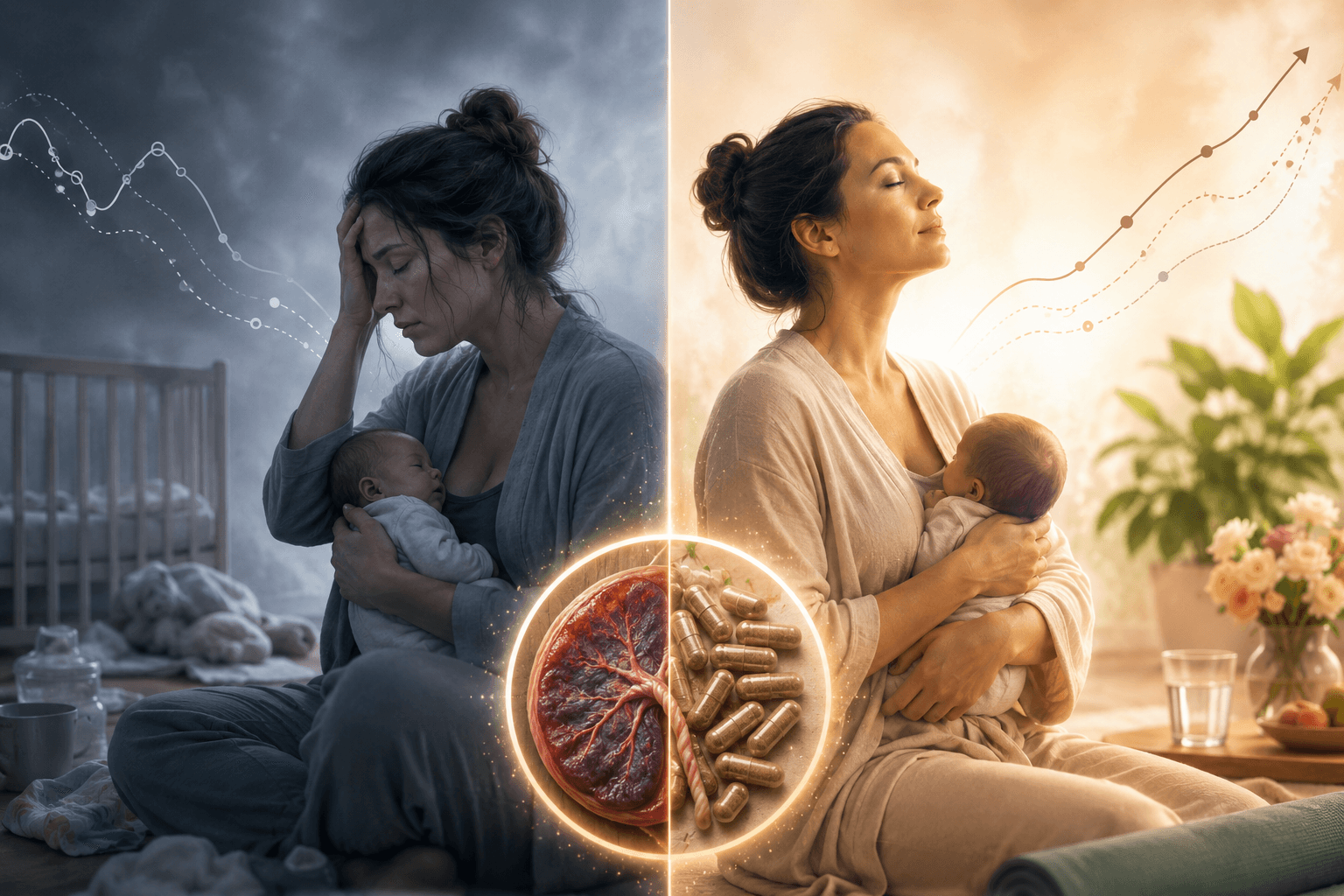
Placenta encapsulation involves preparing the placenta after birth and converting it into capsules for maternal consumption.
The process generally includes:
- Cleaning the placenta
- Preparing it according to established handling procedures
- Dehydrating the tissue
- Grinding it into powder
- Encapsulating the material into supplement form
Women who choose this option typically consume the capsules during the postpartum period according to individualized recommendations.
Why Some Mothers Choose Placenta Encapsulation
Many women explore placenta encapsulation because they are interested in holistic recovery strategies.
Commonly reported reasons include:
- Supporting postpartum energy
- Promoting emotional balance
- Encouraging a smoother recovery experience
- Supporting overall wellbeing
- Honoring personal, cultural, or spiritual traditions
For some mothers, the practice represents an intentional way of supporting their postpartum healing journey.
Can Placenta Encapsulation Prevent the Hormonal Crash?
This is one of the most frequently asked questions about placenta medicine.
Some women report that placenta encapsulation helps them feel:
- More emotionally balanced
- Less overwhelmed
- More energetic
- Better supported during recovery
However, scientific research remains limited.
Current evidence has not conclusively demonstrated that placenta encapsulation reliably prevents postpartum hormonal changes or eliminates the emotional challenges associated with the postpartum period. Hormonal adjustment after birth is a normal biological process that cannot be entirely avoided.
Because experiences vary significantly, individual results should not be assumed or guaranteed.
The Importance of Realistic Expectations
One of the most important aspects of postpartum wellness is maintaining realistic expectations.
Placenta encapsulation is not considered:
- A treatment for postpartum depression
- A replacement for medical care
- A guaranteed solution for fatigue
- A substitute for emotional support
Instead, some mothers choose to view it as one component of a broader recovery plan.
Safety Considerations
Women considering placenta encapsulation should carefully evaluate safety and preparation standards.
Important questions include:
- Who prepares the placenta?
- What training and certifications do they hold?
- What handling and storage procedures are used?
- How is contamination prevented?
Discussing placenta-related decisions with a trusted Health Care Provider or Holistic Care Provider can help ensure informed choices.
Other Foundations of Postpartum Renewal
Regardless of whether a mother chooses placenta encapsulation, several factors play a critical role in postpartum recovery.
These include:
Rest and Sleep
Adequate rest supports healing, emotional regulation, and hormonal adjustment.
Nutrition
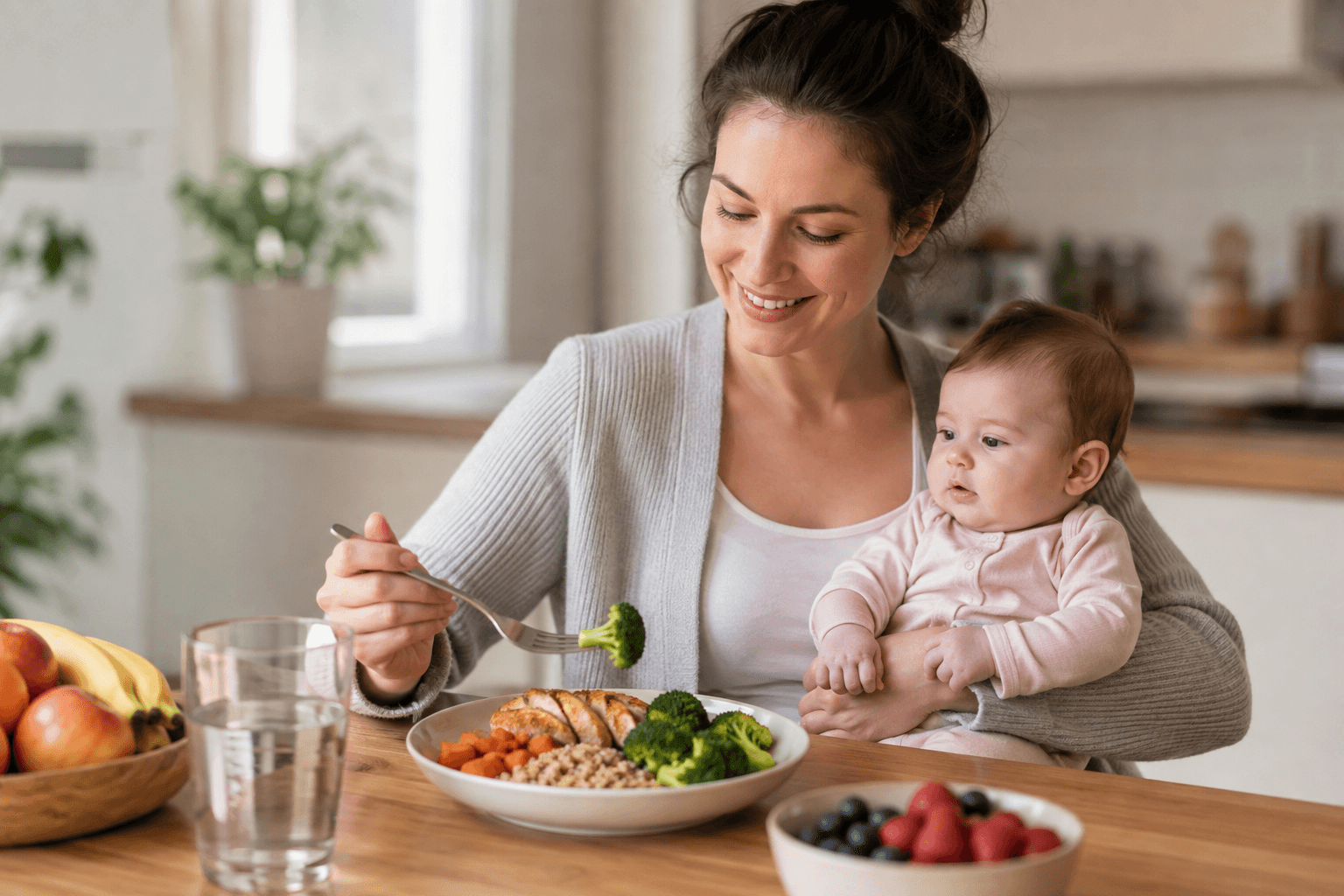
Balanced meals rich in protein, healthy fats, vitamins, and minerals help replenish the body's resources after birth.
Hydration
Proper hydration supports energy levels, breastfeeding, and overall recovery.
Emotional Support
Family support, postpartum counseling, support groups, and compassionate care can significantly improve maternal wellbeing.
Follow-Up Care
Ongoing postpartum assessments help identify physical and emotional concerns early.
True recovery is often built upon multiple layers of support rather than any single intervention.
Supporting Emotional Wellbeing After Birth
The postpartum period can bring intense emotions, even for women who are excited and well-prepared for motherhood.
New mothers may experience:
- Anxiety
- Self-doubt
- Mood changes
- Feelings of isolation
- Increased emotional sensitivity
Seeking support is a sign of strength, not weakness. Emotional wellbeing deserves the same level of attention as physical recovery.
Choosing the Recovery Path That Feels Right for You
Every woman's postpartum experience is unique. Some mothers are drawn to placenta encapsulation as part of their holistic wellness philosophy, while others prefer different recovery approaches.
The most important goal is making informed decisions based on reliable information, personal values, and individualized healthcare guidance.
A thoughtful recovery plan supports both physical healing and emotional resilience during the transition into motherhood.
Recovery Is About More Than Hormones
Postpartum healing involves much more than balancing hormones. It is a time of profound transformation that affects the body, mind, emotions, relationships, and identity. Whether you choose placenta encapsulation or other supportive wellness practices, recovery is most successful when mothers are given the nourishment, rest, education, and compassionate support they deserve.
Your postpartum journey deserves personalized care, understanding, and evidence-informed guidance. Work with a trusted Holistic Care Provider or Health Care Provider to create a recovery plan that supports your physical and emotional wellbeing after birth. Clinique Molière, Brea, CA | (714) 948-5655 — and receive compassionate postpartum support designed to help you heal, regain your strength, and embrace motherhood with confidence and balance.