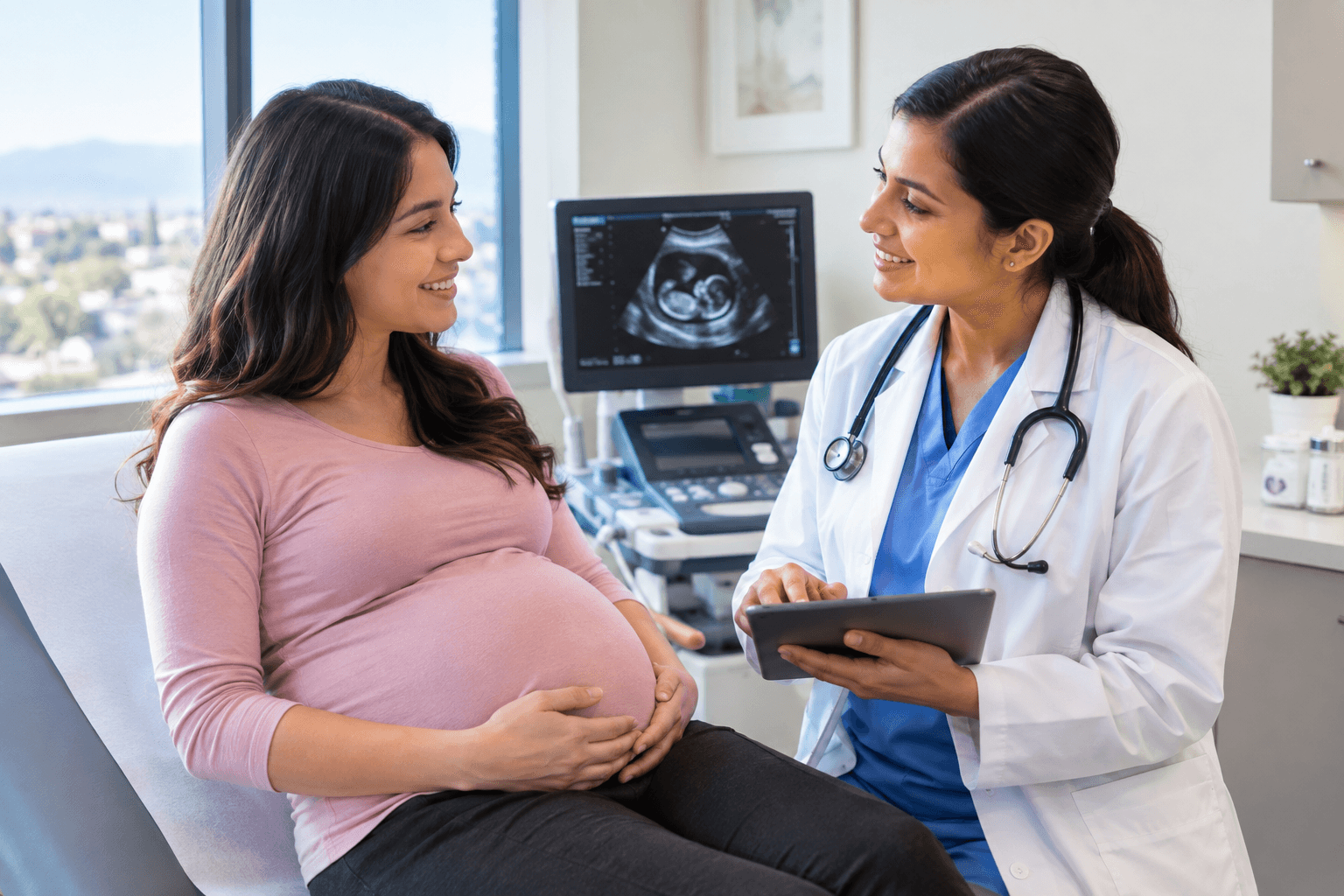

Bringing a baby into the world is a life-changing experience—but what comes after birth is just as important as pregnancy itself. The postpartum period, often called the “fourth trimester,” is a time of healing, adjustment, and transformation. For mothers in Brea, prioritizing a postpartum assessment is one of the most essential steps toward long-term health and wellbeing.
Many women focus entirely on their newborn after delivery, often overlooking their own recovery. However, a comprehensive postpartum assessment ensures that both physical and emotional health are properly supported during this critical phase.
What Is a Postpartum Assessment?
A postpartum assessment is a thorough evaluation of a mother’s physical, emotional, and overall health after childbirth. It goes far beyond a routine check—it is an opportunity to understand how your body is healing and how you are adjusting to motherhood.
According to medical guidelines, postpartum care should not be limited to a single visit. Instead, it should be an ongoing process with multiple check-ins during the first 12 weeks after birth .
Why Postpartum Assessments Are So Important
1. Early Detection of Physical Complications
After childbirth, the body is still in recovery. A postpartum assessment helps identify potential issues such as:
- Infection or delayed healing
- High blood pressure
- Excessive bleeding
- Pelvic or abdominal concerns
Early detection allows for timely care and prevents complications from becoming serious .
2. Monitoring Emotional and Mental Health
Hormonal changes, sleep deprivation, and lifestyle adjustments can affect emotional wellbeing. Many women experience mood swings or anxiety, and some may develop postpartum depression.
A postpartum assessment includes mental health screening to ensure that emotional challenges are recognized and supported early .
3. Supporting Hormonal Balance and Recovery
Your body undergoes rapid hormonal shifts after delivery. These changes can impact energy levels, mood, metabolism, and sleep.
A holistic postpartum assessment helps:
- Identify hormonal imbalances
- Provide guidance for recovery
- Support long-term women’s health
4. Guidance for New Motherhood
Caring for a newborn comes with many questions. A postpartum visit gives you the space to discuss:
- Feeding and breastfeeding challenges
- Sleep concerns
- Physical discomfort
- Birth control and future planning
It is a safe space to ask anything—without judgment.
5. Preventing Long-Term Health Issues
Pregnancy can reveal underlying health risks. Conditions like gestational diabetes or high blood pressure may increase the risk of future health concerns.
Postpartum assessments help create a plan for long-term health and prevention .
What Happens During a Postpartum Assessment?
A comprehensive postpartum visit may include:
- Physical exam (healing, uterus, incision if applicable)
- Blood pressure and vital checks
- Emotional wellbeing screening
- Discussion about sleep, nutrition, and recovery
- Guidance on physical activity and intimacy
- Personalized care recommendations
The goal is to understand your full experience—not just check a few boxes.
Why Brea Moms Are Choosing Holistic Postpartum Care
In Brea, many mothers are moving toward holistic postpartum care models that focus on the whole woman.
This approach includes:
- Personalized recovery plans
- Emotional and mental health support
- Nutritional guidance
- Mind-body wellness practices
- Continuous care instead of one-time visits
Holistic care ensures that no aspect of recovery is overlooked.
When Should You Schedule Your Postpartum Assessment?
Experts recommend:
- Initial check-in within 2–3 weeks after birth
- Ongoing visits as needed
- A comprehensive assessment by 6–12 weeks postpartum
This timeline allows for both early support and long-term recovery planning.
Where to Go for Postpartum Care in Brea
Choosing the right place for postpartum care is just as important as choosing where to give birth. You deserve a care environment that listens, supports, and understands your unique journey.
At Clinique Molière in Brea, postpartum assessments are designed to go beyond routine checkups. With a holistic, personalized approach, care focuses on your physical healing, emotional wellbeing, and long-term health—ensuring you feel supported every step of the way.
Prioritizing Your Health After Birth
It’s easy to put your own needs aside after your baby arrives—but your health matters just as much. A postpartum assessment is not optional care—it is essential care.
Your pregnancy is a time of growth, strength, and love. Don’t let stress take away your peace. Work with a trusted Holistic Care Provider or Health Care Provider to build confidence, balance, and well-being at every stage of your journey. Clinique Molière, Brea, CA | (714) 948-5655 — because taking care of yourself is one of the most powerful ways to care for your baby.