The first trimester of pregnancy is an exciting and transformative time, but it can also feel physically and emotionally overwhelming. Between hormonal changes, fatigue, food aversions, and morning sickness, many women begin to question whether they are eating “well enough” for their growing baby.
The good news is that first-trimester nutrition does not need to be perfect to be supportive. Instead of focusing on restrictive rules or the pressure to “eat for two,” the goal should be nourishing the body with balanced, consistent nutrition that supports both maternal health and early fetal development.
For women in Brea and throughout California, understanding the basics of healthy first-trimester nutrition can help create a stronger and more confident start to pregnancy.
Do You Really Need to “Eat for Two”?
One of the biggest misconceptions about pregnancy is the idea that women must dramatically increase food intake right away.
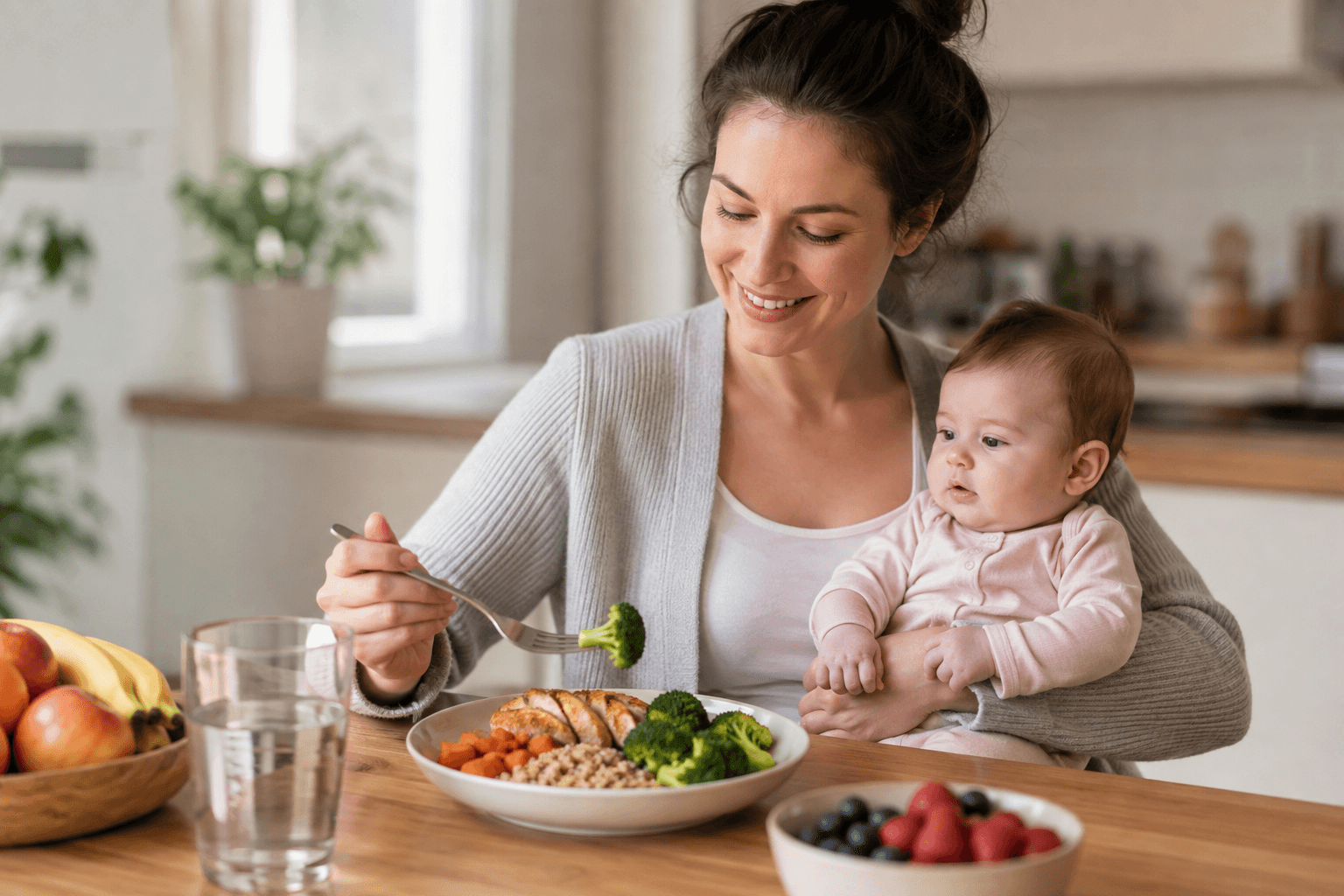
During the first trimester, most women do not need a large increase in calories. What matters most is:
- Nutrient quality
- Consistent nourishment
- Hydration
- Balanced eating habits
Early pregnancy is more about eating wisely than eating significantly more.
Why Nutrition Matters in the First Trimester
During the first trimester, the baby’s early organs, brain, and nervous system begin developing rapidly.
At the same time, the mother’s body is adjusting through:
- Hormonal changes
- Increased blood volume
- Metabolic shifts
- Rising nutritional demands
Even when appetite changes occur, nutrient intake remains important for both maternal wellbeing and fetal development.
Key Nutrients for Early Pregnancy
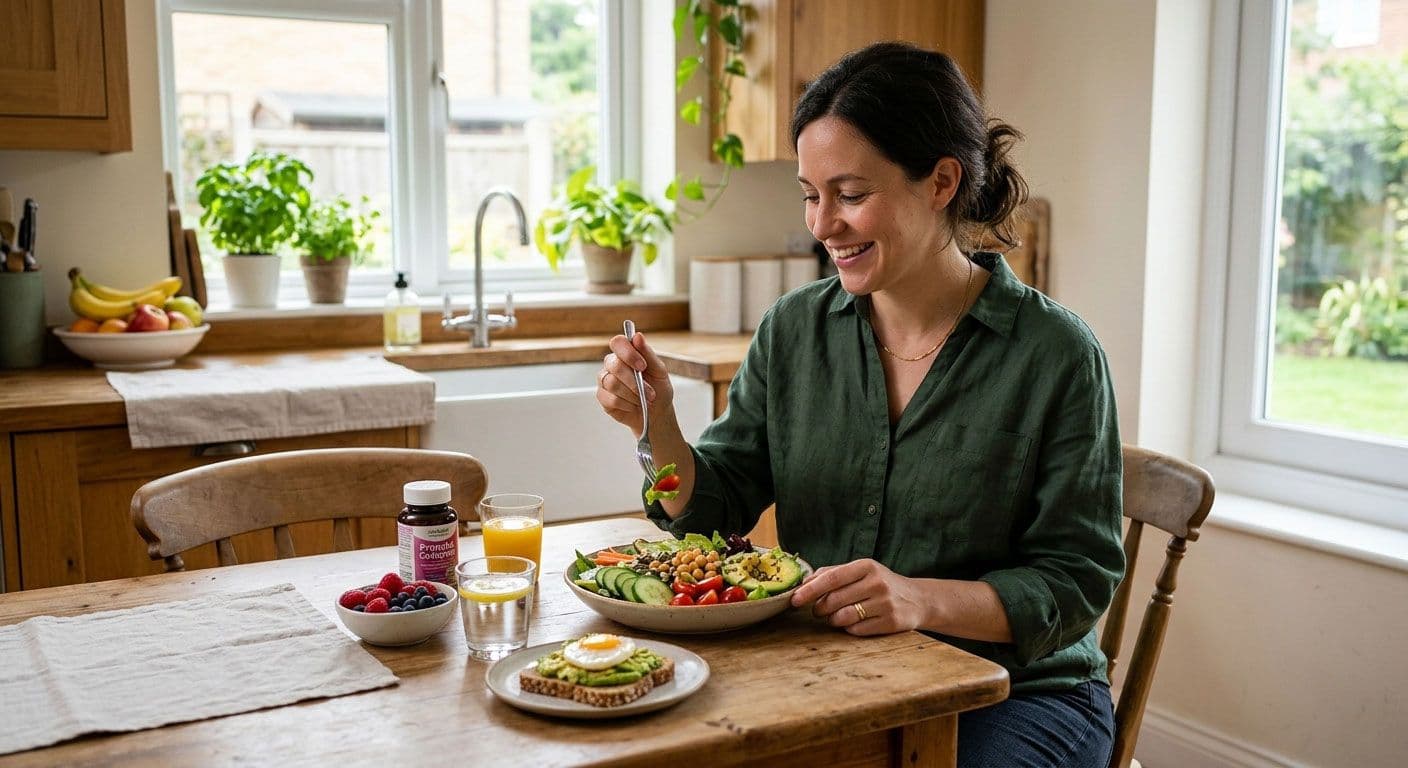
Folate (Folic Acid)
Folate is especially important in early pregnancy because it supports neural tube development.
Sources include:
- Leafy green vegetables
- Beans and lentils
- Citrus fruits
- Fortified grains
Many women also take prenatal vitamins containing folic acid during this stage.
Protein
Protein supports tissue growth and helps maintain energy levels.
Good sources include:
- Eggs
- Greek yogurt
- Lean meats
- Beans and legumes
- Nuts and seeds
Small, protein-rich meals may also help reduce nausea for some women.
Iron
Iron supports oxygen transport and increased blood production during pregnancy.
Sources include:
- Lean red meat
- Spinach
- Lentils
- Iron-fortified cereals
Pairing iron-rich foods with vitamin C sources may help absorption.
Calcium and Vitamin D
These nutrients support bone health for both mother and baby.
Helpful foods include:
- Dairy products
- Fortified plant milks
- Yogurt
- Salmon and sardines
Sunlight exposure and prenatal supplements may also help support vitamin D levels.
Managing Morning Sickness and Food Aversions
Nausea is common during the first trimester and can make healthy eating difficult.
Helpful strategies may include:
- Eating small, frequent meals
- Keeping simple snacks nearby
- Staying hydrated throughout the day
- Choosing bland foods when needed
- Avoiding strong smells or triggers
Some women tolerate cold foods better than hot meals during periods of nausea.
Hydration Matters More Than Many Women Realize
Hydration supports:
- Blood circulation
- Digestion
- Energy levels
- Amniotic fluid production
If plain water feels unappealing, alternatives may include:
- Lemon-infused water
- Coconut water
- Herbal teas approved during pregnancy
- Water-rich fruits
Dehydration can worsen fatigue and nausea.
Healthy Weight Gain Starts With Balance
The first trimester is not the time for strict dieting or obsessive calorie counting.
Instead, focus on:
- Balanced meals
- Stable blood sugar
- Whole foods when possible
- Listening to hunger and fullness cues
Pregnancy is a time to support the body, not punish it.
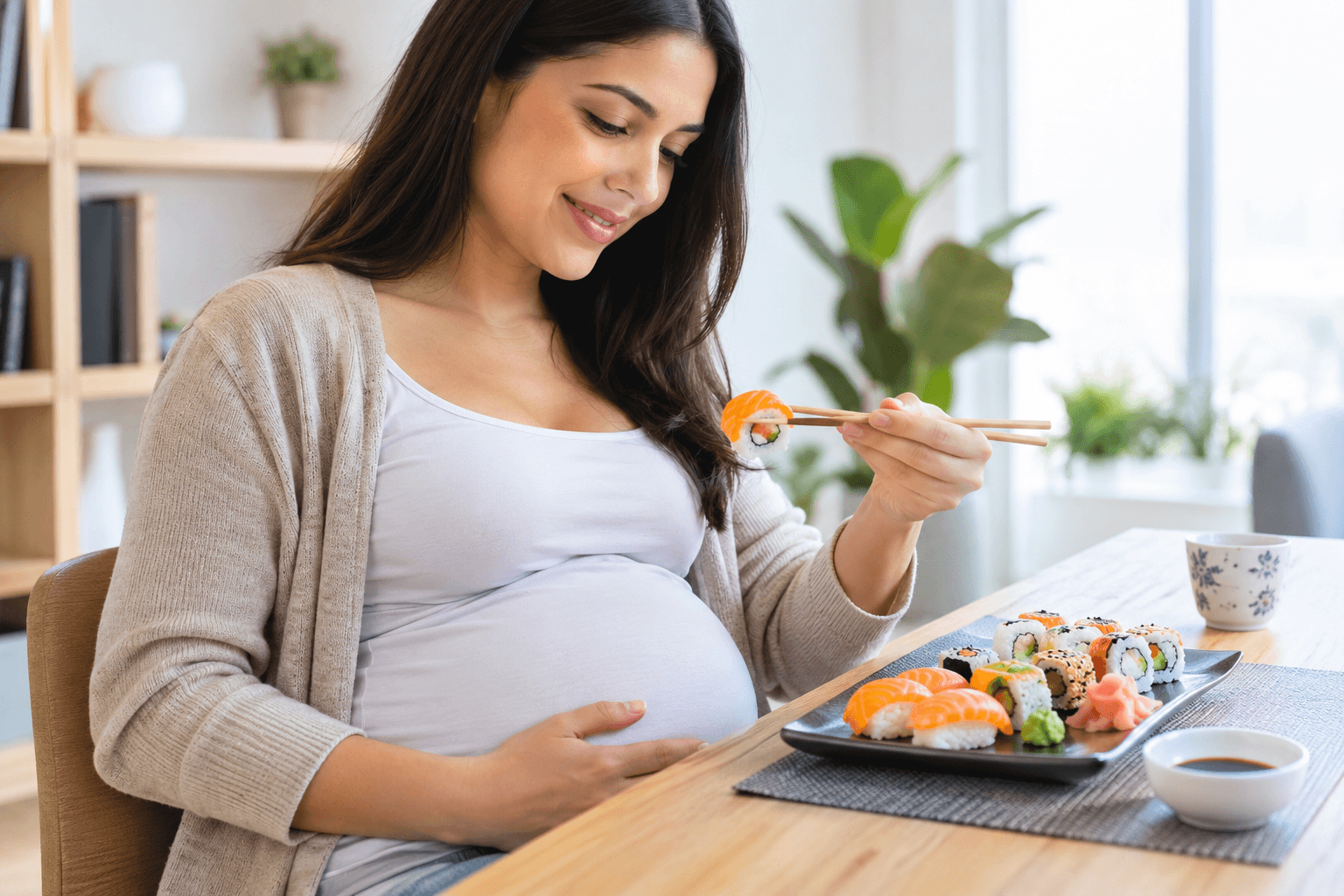
Foods to Approach Carefully During Pregnancy
Certain foods are commonly limited during pregnancy due to food safety concerns.
Women are often advised to be cautious with:
- Raw or undercooked meats
- High-mercury fish
- Unpasteurized dairy products
- Raw eggs
- Excessive caffeine
A trusted Health Care Provider or Holistic Care Provider can offer personalized guidance based on individual health needs.
Emotional Wellness and Nutrition Are Connected
Stress and exhaustion can influence appetite, digestion, and food choices during pregnancy.
Helpful habits may include:
- Eating without distractions when possible
- Preparing simple nourishing meals
- Accepting help from others
- Avoiding guilt around occasional cravings or food aversions
A calm, balanced approach to nutrition is often more sustainable than perfectionism.
Building Healthy Habits for the Months Ahead
The first trimester lays the foundation for the rest of pregnancy. Small daily habits can create meaningful long-term benefits.
Focus on:
- Consistency over perfection
- Nourishment over restriction
- Gentle self-care
- Listening to your body’s changing needs
Every healthy choice adds support for both mother and baby.
Nourishing Yourself Is Part of Caring for Your Baby
Pregnancy nutrition is not about pressure or unrealistic expectations. It is about giving your body the support it needs during a season of incredible growth and change.
When mothers feel nourished, hydrated, and emotionally supported, they are better prepared for the journey ahead.
Your pregnancy is a time of growth, strength, and love. Don’t let stress take away your peace. Work with a trusted Holistic Care Provider or Health Care Provider to build confidence, balance, and well-being at every stage of your journey. Clinique Molière, Brea, CA | (714) 948-5655 — and receive compassionate prenatal guidance that supports both your health and your baby’s development from the very beginning.