Pregnancy is a significant physical and emotional journey, and every pregnancy deserves attentive care. Sometimes, however, certain health conditions or pregnancy-related complications mean that additional monitoring and support are needed. This is commonly described as a high-risk pregnancy.
Hearing these words can understandably cause worry. But a high-risk classification does not mean that something will definitely go wrong. It simply means there may be a greater chance of complications, so the pregnancy needs closer observation and an individualized care plan. With timely prenatal care, appropriate treatment, and awareness of warning signs, many people with high-risk pregnancies go on to have healthy outcomes.
Understanding what makes a pregnancy high-risk and knowing when to seek help can make the experience less frightening and help families feel better prepared.
What Is a High-Risk Pregnancy?
A high-risk pregnancy is one in which the pregnant person, the developing baby, or both have an increased likelihood of health complications before, during, or after childbirth.
Some risks exist before conception, while others develop as pregnancy progresses. A pregnancy may also become high-risk because of changes in blood pressure, fetal growth, or other health concerns.
The classification is not a prediction of the outcome. It is a way for the healthcare team to identify potential problems early and decide whether additional tests, specialist involvement, or closer monitoring are necessary.
Common Causes and Risk Factors
Several factors can increase the likelihood of pregnancy complications. Having one or more risk factors does not automatically mean complications will occur.
1. Existing Health Conditions
Certain health conditions may require additional attention during pregnancy, including:
- High blood pressure or chronic hypertension
- Diabetes, including diabetes diagnosed before pregnancy
- Kidney or heart disease
- Thyroid disorders
- Autoimmune conditions
- Certain blood-clotting disorders
These conditions may affect pregnancy differently depending on their severity and how well they are managed.
2. Pregnancy-Related Complications
Some complications develop after pregnancy begins. These may include gestational diabetes, preeclampsia, placental problems, cervical changes, or concerns about the baby's growth.
Carrying twins or higher-order multiples can also increase the need for monitoring because multiple pregnancies have a greater likelihood of certain complications, including premature birth.
3. Previous Pregnancy History and Other Factors
A previous preterm birth, pregnancy loss, preeclampsia, or certain delivery complications may influence care during a later pregnancy. Age, family history, and other individual health factors may also be considered.
A Health Care Provider assesses the complete picture rather than relying on a single risk factor.
High-Risk Pregnancy Warning Signs You Should Never Ignore
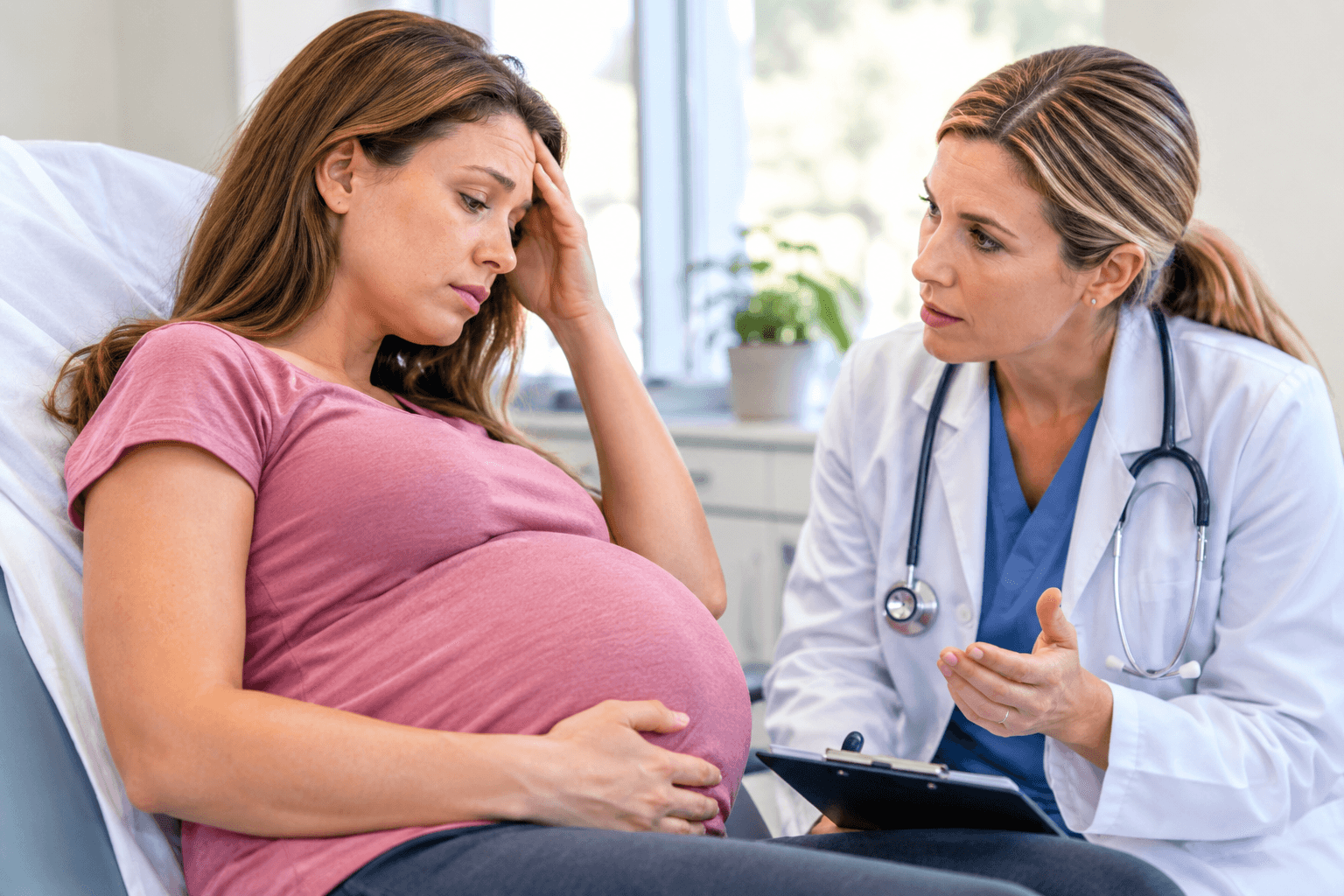
Some pregnancy symptoms are common, but certain changes may signal a serious complication. Seek immediate medical assessment if you experience any of the following:
- Vaginal bleeding or fluid leakage: Bleeding beyond light spotting or a sudden gush or ongoing leakage of fluid needs prompt evaluation.
- Severe or persistent headache: A headache that does not improve, particularly with vision changes, may indicate a blood pressure complication.
- Blurred vision or seeing flashes: New visual disturbances should not be dismissed.
- Severe abdominal pain: Persistent or intense pain, especially in the upper abdomen, requires urgent attention.
- Sudden swelling of the face or hands: Particularly when accompanied by headache or visual changes, this may be associated with preeclampsia.
- Reduced baby movement: If your baby's usual movement pattern slows or stops, contact your maternity care team immediately. Do not wait until the next appointment.
- Fever or difficulty breathing: A fever of 100.4°F (38°C) or higher, chest pain, or breathing difficulties need prompt medical assessment.
- Seizures or fainting: These are emergencies and require immediate help.
If you experience severe symptoms, contact emergency services or go to an emergency department. Do not wait for a routine appointment or try to manage these warning signs at home.
Common Complications in High-Risk Pregnancy
Understanding possible complications helps explain why additional monitoring may be recommended.
Preeclampsia
Preeclampsia is a pregnancy-related blood pressure disorder that can affect organs such as the kidneys and liver. It often develops after 20 weeks of pregnancy, although it can also occur after childbirth. Warning signs may include high blood pressure, persistent headaches, visual changes, upper abdominal pain, and swelling of the face or hands. Some people have no obvious symptoms, making regular blood pressure checks important.
Gestational Diabetes
Gestational diabetes develops when blood glucose levels become higher than normal during pregnancy. It can increase the risk of certain complications, including excessive fetal growth and delivery difficulties. Nutrition guidance, appropriate physical activity, glucose monitoring, and medication when needed can help manage the condition.
Preterm Labor
Preterm labor occurs when labor begins before 37 completed weeks of pregnancy. Regular contractions, pelvic pressure, persistent lower back pain, or fluid leakage before this stage should be assessed promptly.
Fetal Growth Concerns
Sometimes a baby grows more slowly than expected. This may be associated with placental function, maternal health conditions, or other factors. Ultrasound examinations and additional fetal monitoring can help assess growth and wellbeing.
How Is a High-Risk Pregnancy Monitored and Treated?
Treatment depends on the underlying condition, its severity, and the stage of pregnancy. There is no single treatment plan that suits everyone.
A care plan may include:
More frequent prenatal appointments: Regular visits allow the healthcare team to monitor blood pressure, symptoms, maternal health, and the baby's development.
Blood and urine tests: These may help identify anemia, blood sugar concerns, protein in the urine, infections, or changes in organ function.
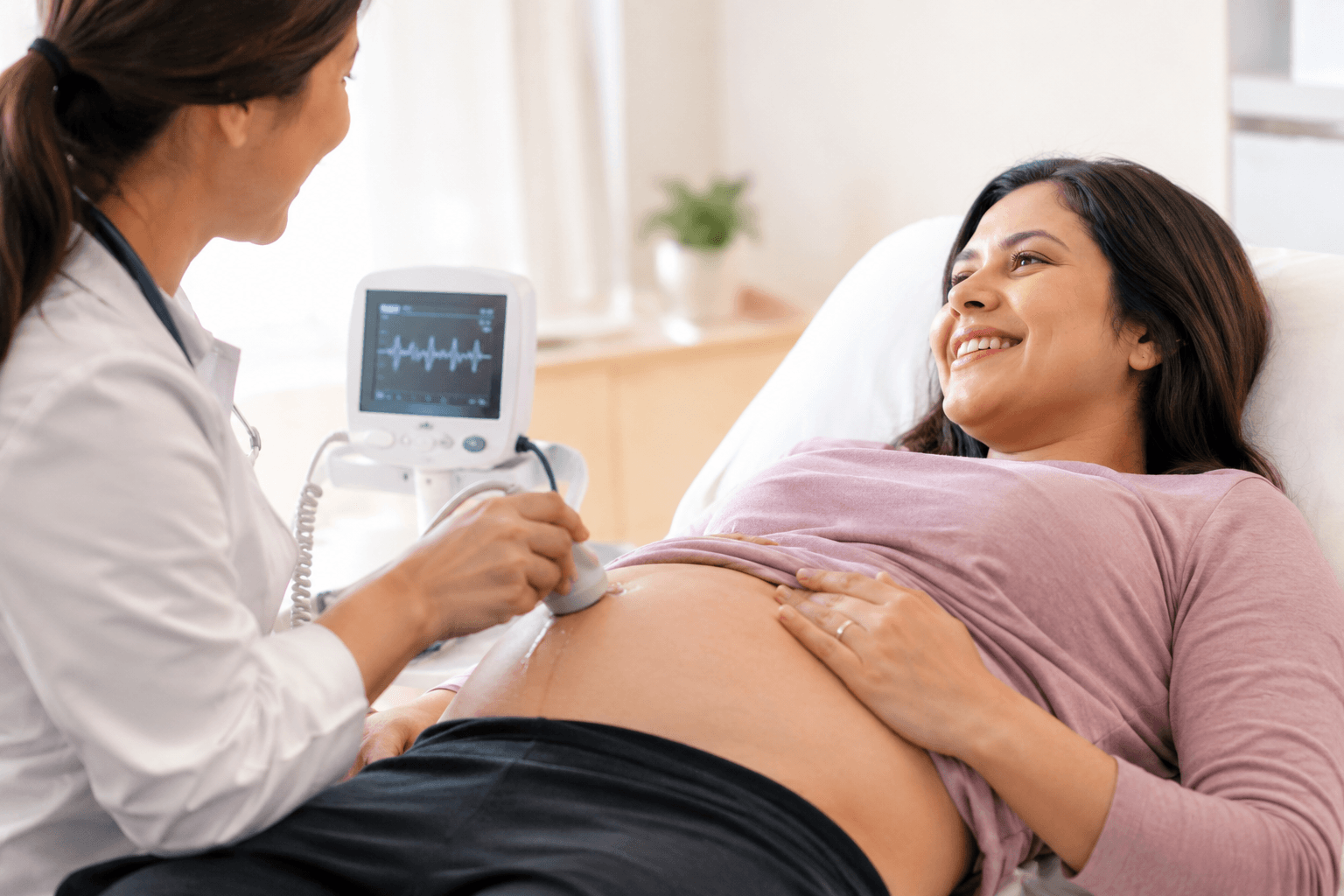
Ultrasound and fetal monitoring: Additional scans may assess fetal growth, amniotic fluid, placental position, and development. Depending on the situation, fetal heart-rate monitoring may also be recommended.
Medication and specialist care: Some conditions require medication to control blood pressure or blood glucose, prevent specific complications, or manage an underlying illness. Certain high-risk pregnancies benefit from consultation with a maternal-fetal medicine specialist.
Delivery planning: If continuing the pregnancy becomes less safe than delivering, the healthcare team may recommend an earlier birth. The timing and method depend on maternal and fetal wellbeing, gestational age, and the specific complication.
For example, some people at increased risk of preeclampsia may be advised to take low-dose aspirin under professional guidance. It should not be started independently.
Supporting Your Wellbeing During a High-Risk Pregnancy
Medical monitoring is essential, but everyday support also matters. Follow your recommended nutrition plan, stay hydrated, get adequate rest, and remain physically active only within the limits advised by your care team. Avoid tobacco, alcohol, and unapproved medications or supplements.
It can also help to keep a record of appointments, test results, medications, and questions. Discuss emotional concerns openly. Anxiety is understandable when pregnancy involves extra monitoring, and supportive conversations can help you feel more informed and prepared.
Most importantly, do not compare your pregnancy with someone else's. Your care plan should reflect your individual health needs.
Preparing for a Safer and More Supported Pregnancy
A high-risk pregnancy calls for attention, not fear. Recognizing warning signs, attending recommended appointments, and following an individualized treatment plan can help identify complications and guide timely decisions. Emotional reassurance and practical support are important, too, because pregnancy wellbeing involves more than physical health alone. At Clinique Molière in Brea, CA, you can explore supportive pregnancy and postpartum care while discussing your needs with a Holistic Care Provider or Health Care Provider. For information about available services, call (714) 948-5655. If you are experiencing any urgent warning signs, seek immediate medical assessment rather than waiting for a clinic appointment.