As you enter the third trimester of pregnancy, your growing baby and changing body may leave you wondering whether it's still safe to stay active. The answer for most women with healthy, uncomplicated pregnancies is yes. Regular, moderate exercise during the third trimester can provide numerous physical and emotional benefits while helping prepare your body for labor, delivery, and postpartum recovery.
However, your exercise routine should evolve as your pregnancy progresses. Activities that felt comfortable during the first or second trimester may need to be modified to accommodate changes in balance, energy levels, and joint stability. The key is to listen to your body and follow the guidance of your Health Care Provider.
For expectant mothers in Brea and throughout California, staying active under professional guidance can support a healthier and more comfortable pregnancy.
Is Exercise Safe During the Third Trimester?
For most women with low-risk pregnancies, regular physical activity remains safe during the third trimester. In fact, organizations such as the American College of Obstetricians and Gynecologists (ACOG) encourage appropriate exercise throughout pregnancy unless there is a medical reason to avoid it.
Before continuing or starting an exercise program, always discuss your plans with your Health Care Provider or Holistic Care Provider, especially if you have a high-risk pregnancy or pregnancy-related complications.
Benefits of Third-Trimester Exercise
Staying active during the final months of pregnancy may help:
- Improve circulation
- Reduce back and pelvic discomfort
- Support healthy weight gain
- Increase stamina for labor
- Improve posture and flexibility
- Reduce swelling in the legs and feet
- Promote better sleep
- Enhance mood and reduce stress
- Support postpartum recovery
Regular movement can also help you feel more energized despite the physical demands of late pregnancy.
Safe Exercises During the Third Trimester
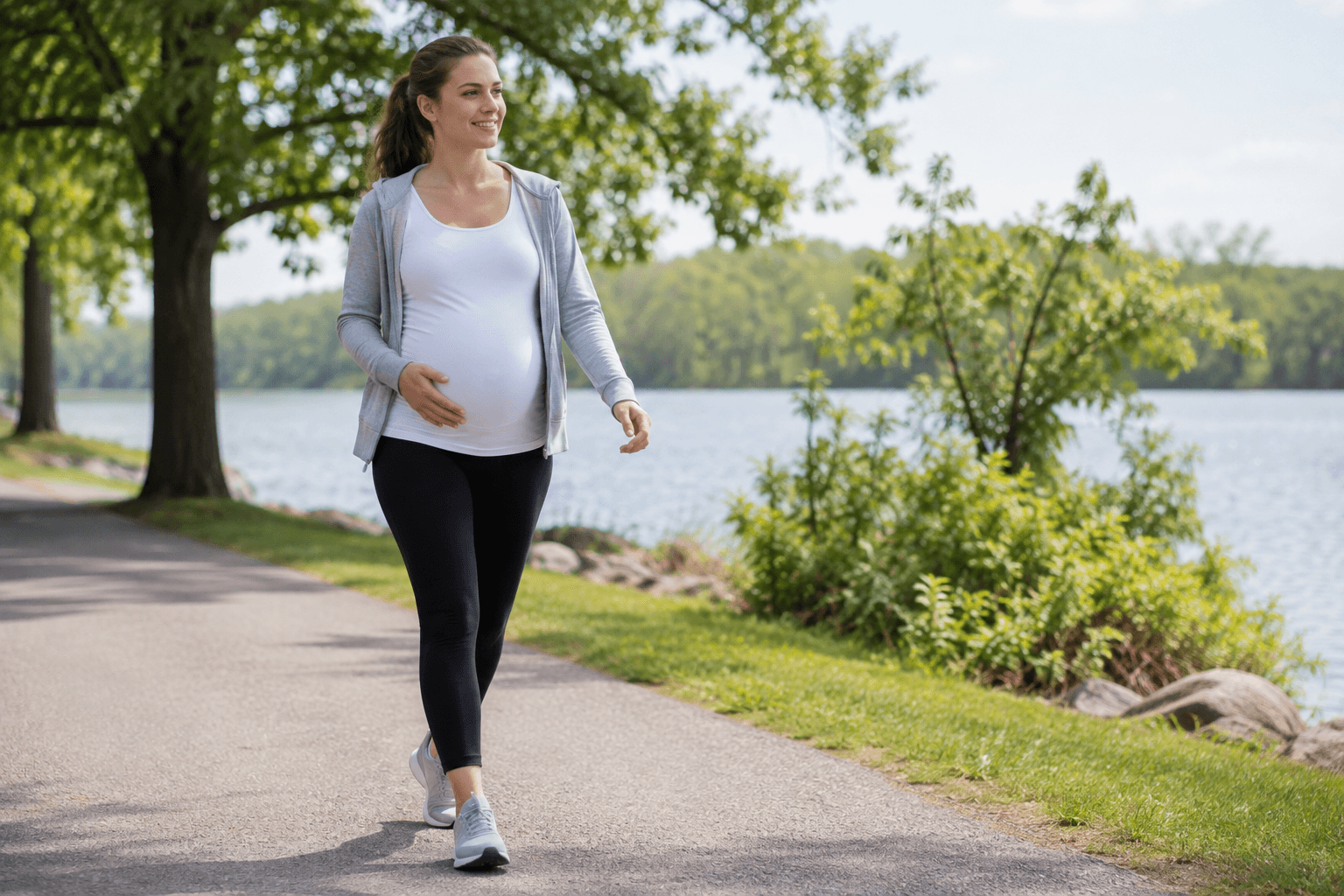
Walking
Walking is one of the safest and easiest forms of exercise during pregnancy.
Benefits include:
- Gentle cardiovascular activity
- Improved circulation
- Reduced joint stress
- Easy adjustment to your comfort level
Choose supportive footwear and avoid uneven terrain to reduce the risk of falls.
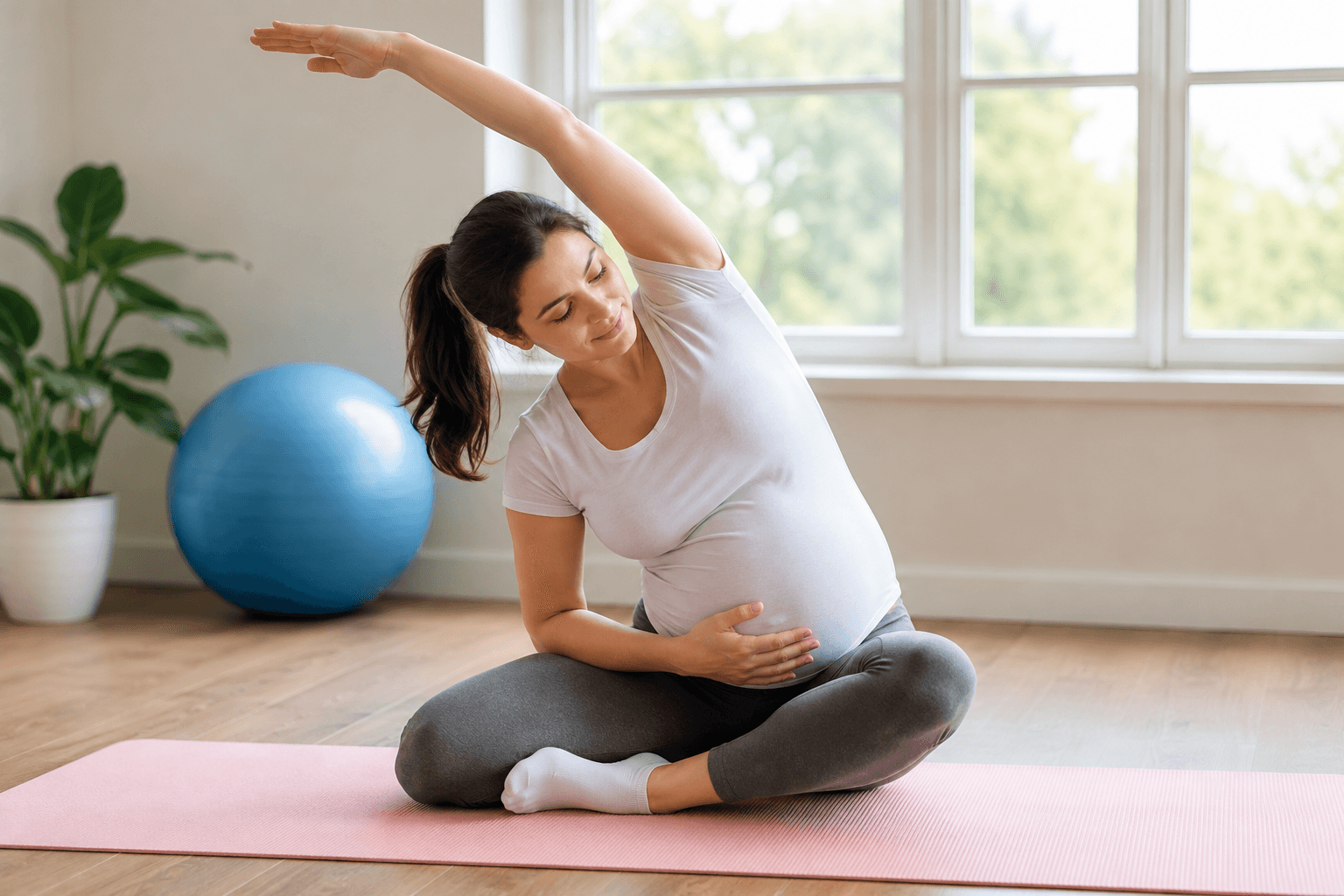
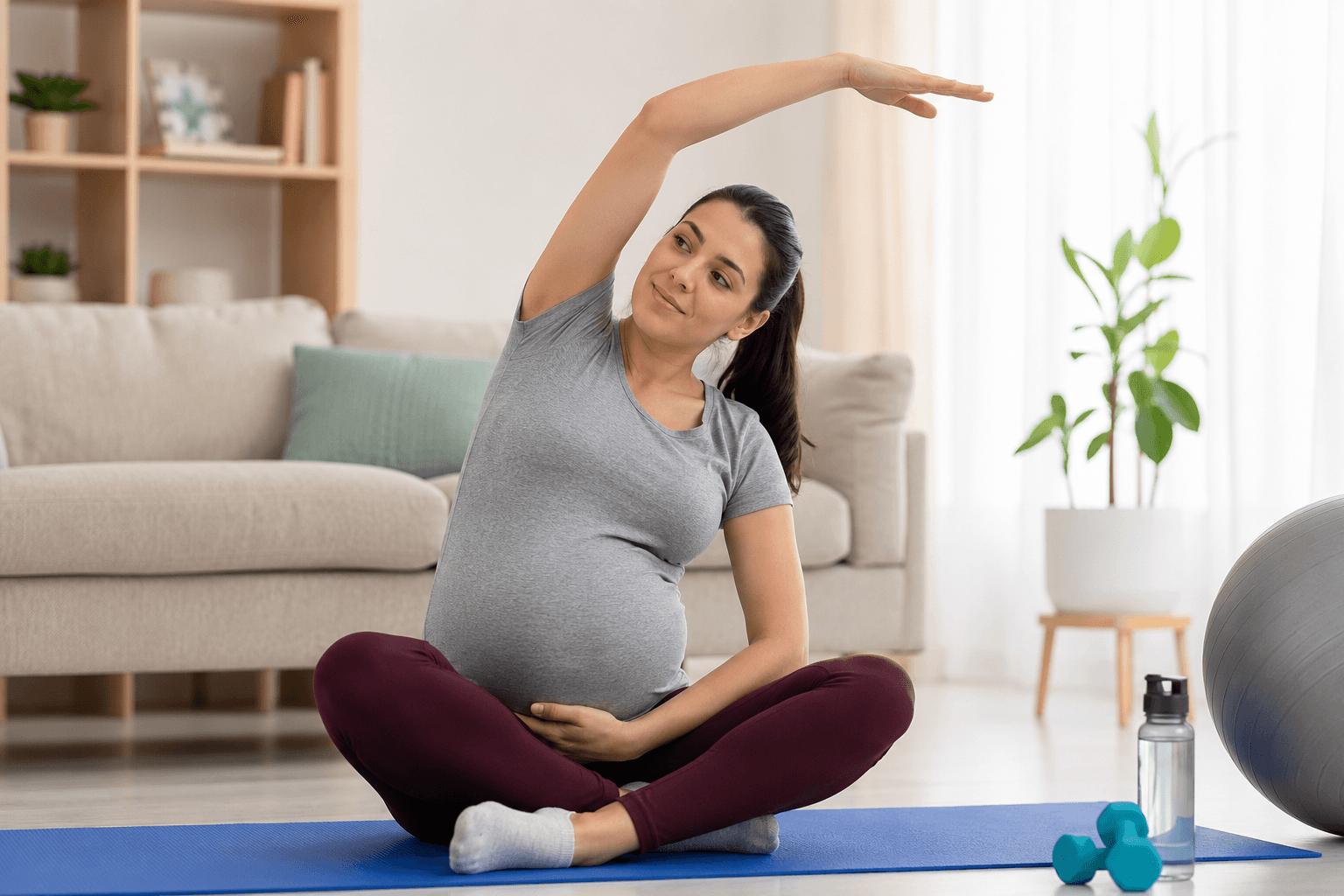
Prenatal Yoga
Prenatal yoga focuses on gentle stretching, breathing, and relaxation.
It may help:
- Improve flexibility
- Reduce muscle tension
- Support balance
- Prepare for labor breathing techniques
- Promote relaxation
Be sure to attend classes specifically designed for pregnant women.
Swimming and Water Exercise
Water provides natural support for your growing body.
Swimming and water aerobics may:
- Relieve joint pressure
- Reduce swelling
- Improve cardiovascular fitness
- Ease back discomfort
Many women find exercising in water especially comfortable during late pregnancy.
Stationary Cycling
A stationary bike offers low-impact cardiovascular exercise without the balance challenges of outdoor cycling.
This option may be appropriate for women who exercised before pregnancy and have their provider's approval.
Strength Training
Light resistance exercises may help maintain muscle strength and prepare the body for labor and postpartum recovery.
Use:
- Light weights
- Resistance bands
- Bodyweight exercises
Avoid heavy lifting and focus on proper technique.
Pelvic Floor Exercises
Pelvic floor exercises, often called Kegel exercises, help strengthen the muscles that support the bladder, uterus, and bowel.
Benefits may include:
- Improved bladder control
- Better pelvic support
- Assistance with postpartum recovery
Ask your provider how to perform these exercises correctly.
Modify Your Routine as Your Body Changes
During the third trimester, your center of gravity shifts and pregnancy hormones increase joint flexibility.
You may need to:
- Exercise at a slower pace
- Take more frequent breaks
- Avoid sudden movements
- Use additional support during balance exercises
- Stay well hydrated
- Exercise in a cool environment
Remember that maintaining activity—not achieving athletic performance—is the goal.
Exercises to Avoid
Some activities may not be appropriate during the third trimester.
These generally include:
- Contact sports
- Activities with a high risk of falling
- Scuba diving
- Exercises performed in excessive heat
- Heavy lifting without guidance
- Activities requiring prolonged periods lying flat on your back if they cause dizziness or discomfort
Your provider can offer individualized recommendations based on your pregnancy.
Listen to Your Body
Pregnancy is not the time to push through pain or exhaustion.
Stop exercising and contact your healthcare provider if you experience:
- Vaginal bleeding
- Fluid leakage
- Regular painful contractions
- Chest pain
- Severe shortness of breath
- Dizziness or fainting
- Severe headache
- Decreased fetal movement after activity
- Calf pain or swelling
Prompt medical evaluation is important whenever concerning symptoms occur.
Don't Forget Hydration and Nutrition
Exercise increases your body's need for fluids and energy.
Before and after activity:
- Drink plenty of water.
- Eat balanced meals and snacks.
- Avoid exercising on an empty stomach.
- Dress in lightweight, comfortable clothing.
Proper hydration and nutrition support both maternal health and your baby's wellbeing.
Mental Health Benefits of Staying Active
Physical activity doesn't just benefit your body—it can also support emotional wellbeing.
Regular movement may help:
- Reduce stress
- Improve mood
- Ease anxiety
- Boost confidence
- Promote better sleep
Combining exercise with relaxation practices such as deep breathing or mindfulness can further enhance emotional wellness during pregnancy.
Preparing Your Body for Labor
While exercise cannot guarantee a shorter or easier labor, maintaining strength, flexibility, and endurance may help you feel more physically prepared for childbirth.
Activities that promote:
- Good posture
- Core stability
- Hip mobility
- Pelvic floor awareness
- Controlled breathing
can support comfort during labor and contribute to postpartum recovery.
Stay Active, Stay Flexible, Stay Safe
The third trimester brings exciting anticipation as you prepare to meet your baby, but it also places new demands on your body. For most women with healthy pregnancies, regular, moderate exercise remains a safe and effective way to support physical health, emotional wellbeing, and overall comfort.
The most important goal is not intensity but consistency. Choose activities you enjoy, make adjustments as your body changes, and always follow the guidance of your healthcare provider. Every pregnancy is unique, and your exercise routine should reflect your individual needs.
Your pregnancy is a time of growth, strength, and preparation. Don’t let discomfort keep you from caring for your body. Work with a trusted Holistic Care Provider or Health Care Provider to develop a safe, personalized fitness plan that supports both you and your growing baby. Take the first step toward a healthier, more comfortable pregnancy—because you and your baby deserve compassionate, individualized care. Visit Clinique Molière in Brea, CA, or call (714) 948-5655 to receive expert prenatal guidance and holistic support throughout every stage of your pregnancy.