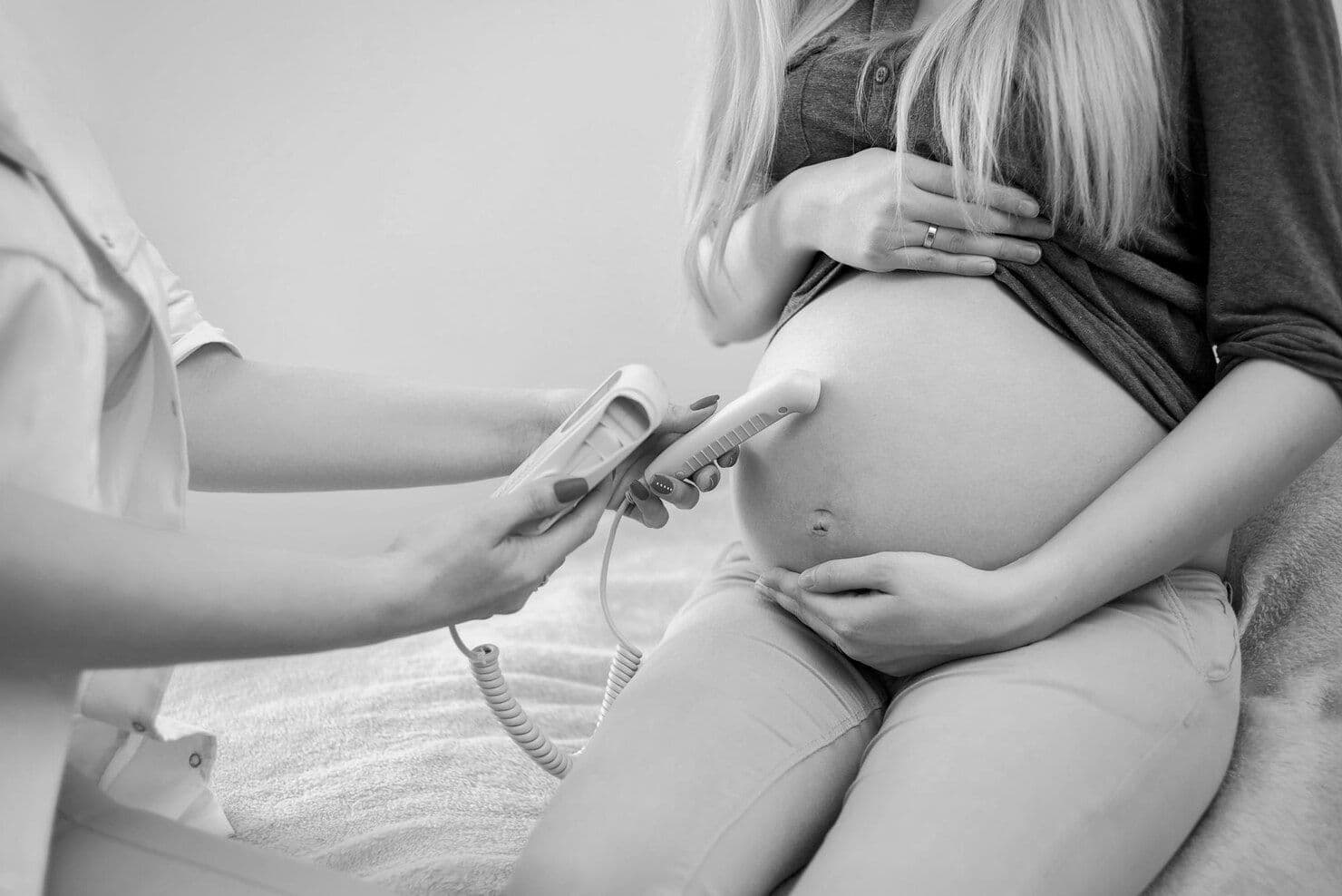

As families prepare for birth, many begin exploring additional forms of support beyond standard pregnancy care. This often leads to an important question: What is the difference between a Monitrice and a Doula? While both roles focus on supporting women and families through pregnancy and birth, their training, scope, and responsibilities are distinct. Understanding these differences can help families make informed choices that align with their needs, values, and birth goals.
In holistic maternity care, clarity matters. Choosing the right type of support can shape how empowered, prepared, and confident a woman feels throughout her pregnancy and birth experience.
Why Birth Support Roles Matter
Birth is a physical, emotional, and transformational experience. While a Health Care Provider focuses on clinical care, additional birth support roles emphasize education, continuity, emotional reassurance, and advocacy.
Monitrices and Doulas both offer non-judgmental, woman-centered support. However, their roles differ in structure, training, and how they integrate into the overall birth care team.
What Is a Doula?
A Doula is a trained birth support professional who provides continuous emotional, physical, and informational support before, during, and after birth. Doulas do not provide medical or clinical care. Their role is centered on comfort, encouragement, and advocacy.
Core Responsibilities of a Doula
A Doula may support families by:
- Offering emotional reassurance during pregnancy and labor
- Teaching comfort measures such as breathing, movement, and relaxation
- Assisting with labor positions and non-medicated pain relief
- Supporting partners in their role during birth
- Providing postpartum emotional support and guidance
Doulas are often valued for their consistent presence and ability to help women feel safe, calm, and supported throughout labor.
Scope and Limitations
A Doula does not perform clinical assessments, monitor vital signs, or make decisions related to medical care. They work alongside a Health Care Provider or Holistic Care Provider but remain focused on non-clinical support.
What Is a Monitrice?
A Monitrice is a birth professional with advanced training who combines elements of a Doula’s emotional support role with additional skills in clinical observation and childbirth education. While still not a replacement for a licensed medical professional, a Monitrice often has a broader scope of knowledge and responsibility.
The role of a Monitrice is particularly common in holistic and midwifery-based models of care.
Core Responsibilities of a Monitrice
A Monitrice may provide:
- In-depth prenatal education and birth preparation
- Emotional and physical labor support similar to a Doula
- Observation of labor progress through non-invasive assessment
- Support during early labor and guidance on when to transition care
- Assistance in communication between the family and the care team
Monitrices often work closely with Holistic Care Providers and may play a role in continuity of care, especially in out-of-hospital or integrative birth settings.
Expanded Knowledge and Training
Monitrices typically receive more extensive education in:
- Anatomy and physiology of pregnancy and birth
- Stages and patterns of labor
- Normal variations in labor progression
- Emotional and psychological aspects of birth
- Childbirth education and family preparation
This training allows Monitrices to offer a deeper level of guidance while still respecting the boundaries of non-medical care.
Key Differences Between a Monitrice and a Doula
While both roles are valuable, understanding their differences helps families choose the support that best fits their situation.
Level of Training
Doulas focus primarily on emotional, physical, and informational support. Monitrices receive broader training that includes observational and educational components related to labor and birth.
Role in Labor Observation
Doulas provide comfort and encouragement but do not observe labor progression in a clinical sense. Monitrices may observe labor patterns and physical cues to help families understand what is happening and when to seek additional support.
Integration with Care Teams
Monitrices often work more closely within holistic care models and may have a more structured role in supporting continuity between prenatal education and labor support.
Educational Support
While Doulas may provide general birth education, Monitrices typically offer comprehensive childbirth education as a central part of their role.
Choosing the Right Support for Your Family
There is no “better” choice—only the choice that aligns with your needs, preferences, and birth plan.
A Doula May Be Right for You If:
- You want continuous emotional and physical labor support
- You value comfort techniques and reassurance
- You already feel confident in your birth education
- You want strong partner support during labor
A Monitrice May Be Right for You If:
- You want in-depth prenatal education and guidance
- You value support that bridges education and labor observation
- You prefer a holistic, integrative care approach
- You want added reassurance during early labor and transitions
Some families choose to work with a Monitrice for education and early labor support, while others prefer a Doula for continuous emotional presence. The right choice depends on what makes you feel most supported and confident.
The Importance of Holistic, Respectful Care
Both Monitrices and Doulas share a commitment to respectful, woman-centered care. They support informed decision-making, emotional well-being, and family involvement—key elements of holistic women’s wellness.
Working with a trusted Health Care Provider or Holistic Care Provider who values collaboration with birth support professionals can create a more balanced and empowering experience.
Empowerment Through Understanding
Understanding the difference between a Monitrice and a Doula allows families to make choices based on knowledge rather than assumptions. Birth support is deeply personal, and feeling aligned with your care team fosters trust, calm, and confidence.
When women feel informed and supported, they are better able to connect with their bodies, their intuition, and their strength throughout pregnancy and birth.
Your pregnancy is a time of growth, strength, and love, and choosing the right kind of support can make all the difference in how this journey feels. If you’re exploring birth education and holistic support options and want guidance tailored to your family’s needs, connect with a trusted Holistic Care Provider or Health Care Provider at Clinique Molière, Brea, CA | 📞 (714) 948-5655, where compassionate education and personalized care help families move into birth feeling confident, prepared, and deeply supported.