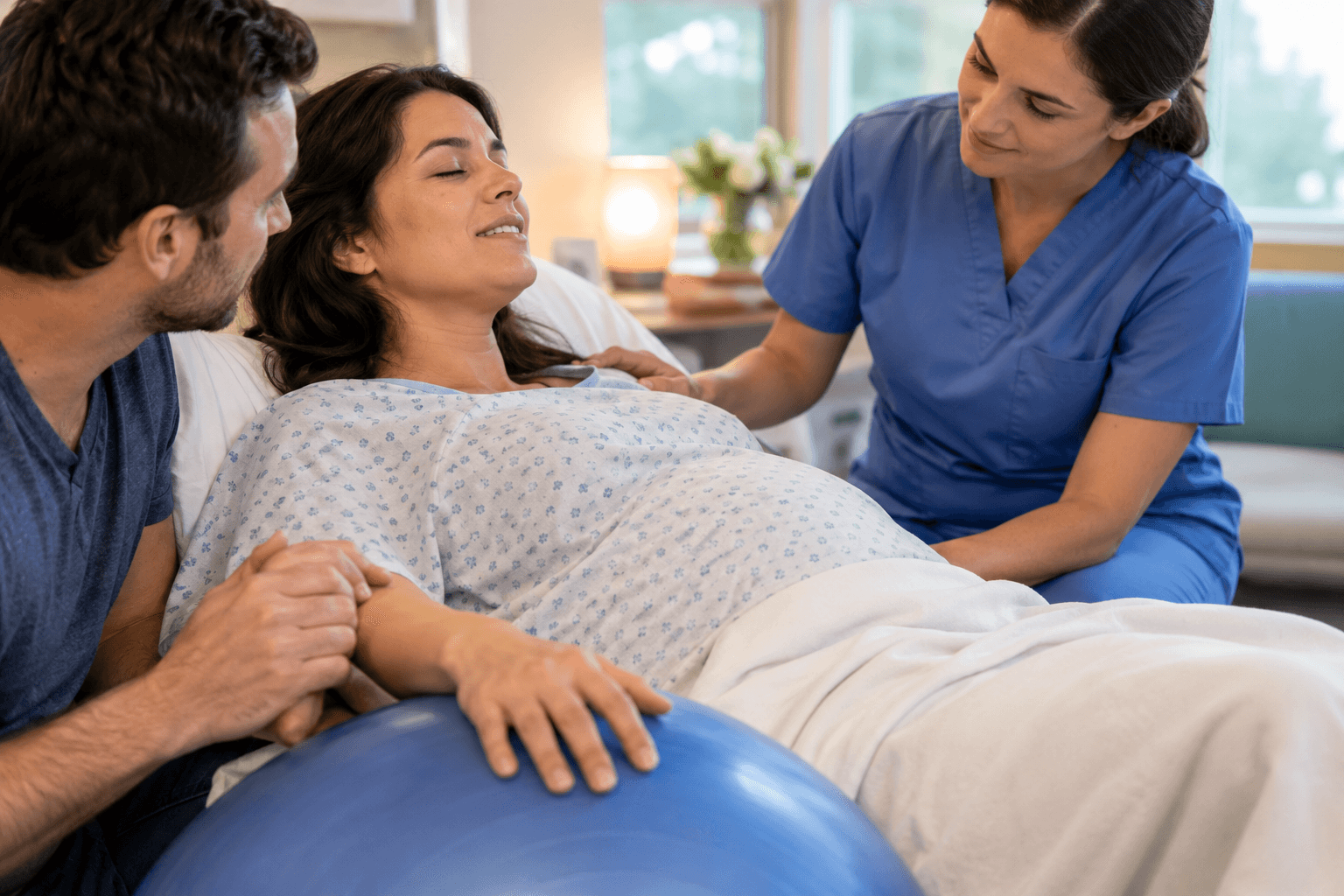
Labor is a powerful, transformative experience. While it is natural for contractions to bring intensity, many women seek ways to manage discomfort without relying solely on medication. Natural pain relief techniques focus on working with the body rather than against it—supporting hormonal flow, relaxation, and steady progress.
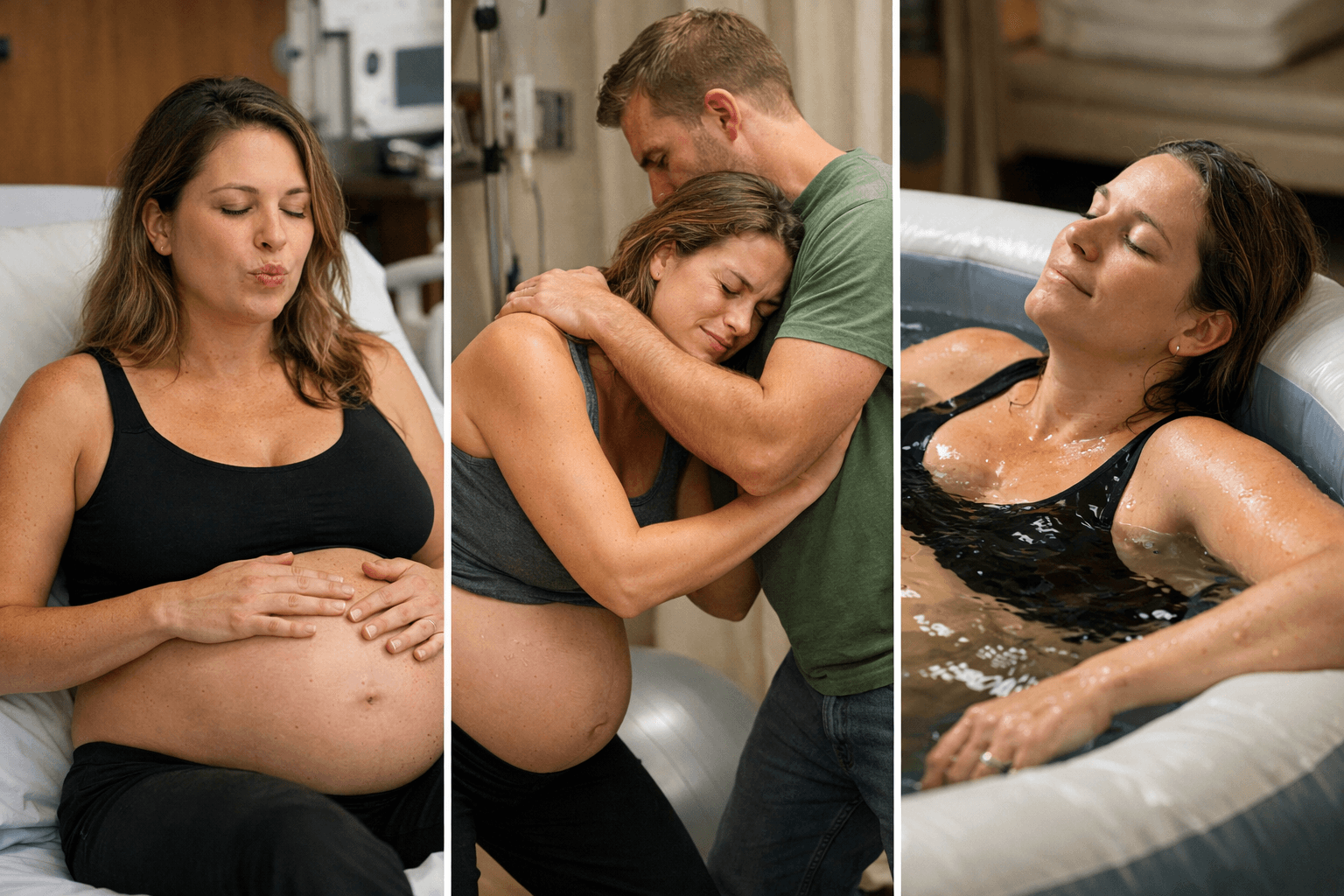
Breathing, movement, and water therapy are three of the most effective and widely used comfort strategies during labor. When practiced intentionally, they help regulate the nervous system, reduce muscle tension, and increase a woman’s sense of control.
The Physiology of Labor Pain
Understanding why labor sensations occur can make them feel less overwhelming. Contractions are the uterus working rhythmically to open the cervix and guide the baby downward. Tension and fear can amplify discomfort by tightening surrounding muscles and increasing stress hormones.
When the body feels safe and supported, it releases endorphins—natural pain-relieving hormones. Natural comfort measures are designed to encourage this hormonal balance while reducing stress-related tension.
1. Breathing Techniques for Labor
Breathing is one of the most accessible and powerful tools during childbirth. It directly influences the nervous system and helps prevent panic when contractions intensify.
Slow Rhythmic Breathing
- Inhale slowly through the nose.
- Exhale gently through the mouth.
- Keep the breath steady and even throughout the contraction.
This technique promotes relaxation and conserves energy during early labor.
Extended Exhale Breathing
- Inhale for a count of four.
- Exhale for a count of six or longer.
Lengthening the exhale signals safety to the nervous system, reducing tension and helping muscles soften.
Focused Breath for Intense Contractions
During more active labor, shorter patterned breathing can help maintain focus. The key is consistency and relaxation of the jaw and shoulders, which often mirror pelvic tension.
Practicing breathing techniques before labor builds confidence and makes them easier to access when intensity rises.
2. Movement and Position Changes
Labor is dynamic, and remaining upright and mobile often enhances comfort and progression. Movement encourages optimal fetal positioning and reduces pressure on the lower back.
Walking
Gentle walking during early labor supports gravity-assisted descent and can ease discomfort.
Swaying or Slow Dancing
Rocking the hips or leaning on a partner while swaying helps relax pelvic muscles and reduce back strain.
Hands-and-Knees Position
This position relieves pressure on the spine and can be especially helpful if experiencing back labor.
Squatting or Supported Lunges
These positions widen the pelvic outlet and may shorten pushing time during the second stage of labor.
Freedom to move allows women to instinctively respond to what feels most supportive in each moment.
3. Water Therapy
Warm water immersion is widely recognized for its calming and analgesic effects during labor. Whether through a shower or a birth tub, water supports relaxation and buoyancy.
Benefits of Water Therapy
- Reduces muscle tension
- Enhances circulation
- Promotes relaxation
- Encourages natural endorphin release
- Provides buoyancy for easier movement
Warm water often creates a soothing sensory environment, helping laboring women feel more grounded and less overwhelmed. Many describe water as providing a sense of privacy and safety, which can positively influence labor progression.
The Role of Support
Natural pain relief is most effective when combined with continuous emotional support. A calm partner, doula, or supportive care team can offer reassurance, reminders to breathe, and gentle physical touch.
When women feel heard and encouraged, their confidence increases. This emotional safety plays a significant role in how pain is perceived and managed.
Preparing Before Labor Begins
Familiarity builds trust. Practicing breathing exercises, prenatal stretching, and relaxation techniques during pregnancy strengthens mind-body awareness.
Consider:
- Attending childbirth education classes
- Practicing breathing daily
- Exploring comfortable movement positions
- Discussing water therapy options with your provider
Preparation reduces fear of the unknown and allows you to enter labor with tools already integrated into your routine.
Embracing a Personalized Approach
Every labor experience is unique. Some women combine natural comfort measures with medical pain relief, while others rely primarily on breathing, movement, and water. The goal is not rigid adherence to one method but informed, confident choices that align with personal values and medical circumstances.
A Holistic Care Provider or Health Care Provider who supports individualized birth preferences can help create a flexible, reassuring birth plan.
Labor is a powerful expression of strength and resilience. When you learn to work with your breath, move with intention, and embrace the calming effects of water, you invite your body to function as it was designed. You deserve care that respects your birth preferences and supports your comfort every step of the way. At Clinique Molière in Brea, compassionate, integrative maternity care is designed to help you prepare for labor with confidence and clarity. Call (714) 948-5655 today to discuss your birth plan and discover personalized support tailored to your unique journey.