
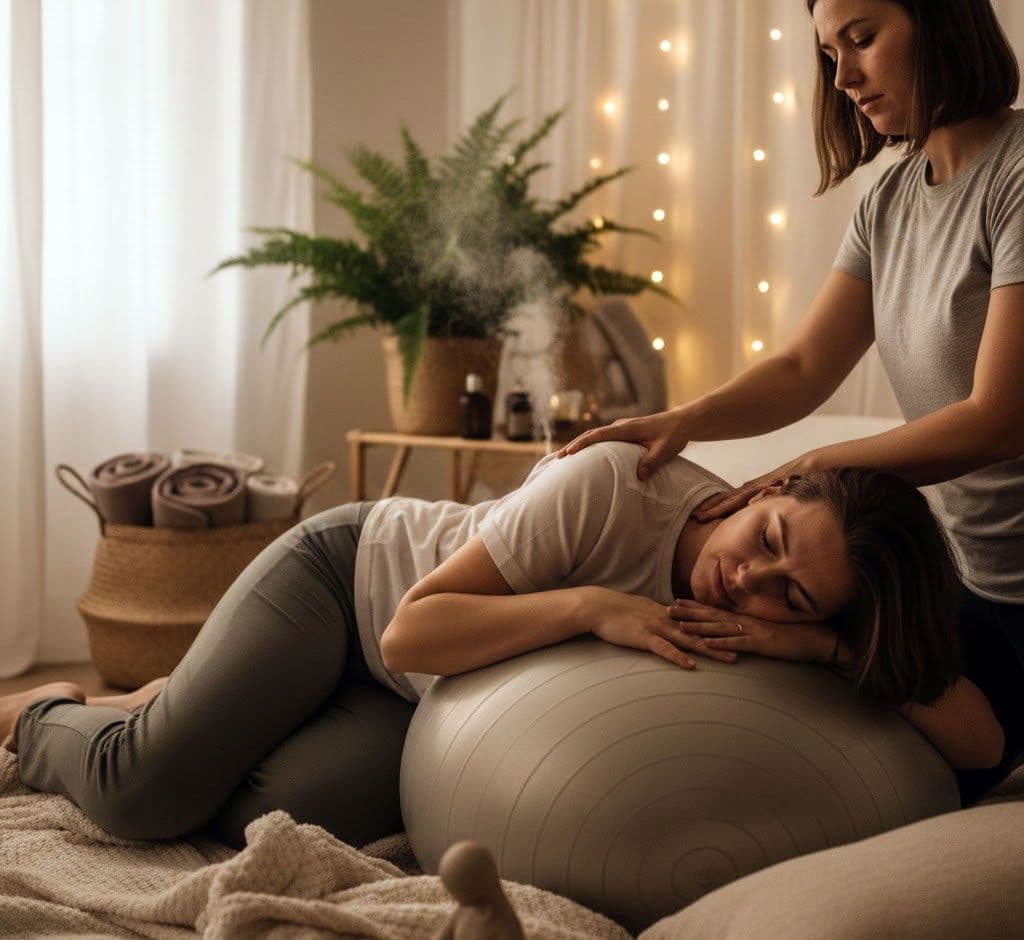
Labor is an intensely physical and emotional experience. As contractions build and the body works rhythmically to bring new life into the world, comfort measures can make a meaningful difference in how a woman experiences each stage. Among the most powerful and accessible tools available during childbirth are touch-based techniques—particularly massage and counter-pressure. These hands-on approaches are simple, natural, and deeply supportive ways to promote relaxation, reduce tension, and help women feel grounded during labor.
Touch has been used for centuries as a healing and calming practice. In the context of childbirth, it becomes a bridge between physical comfort and emotional reassurance, reinforcing the connection between body and mind.
Why Touch Matters During Labor
The body responds profoundly to supportive touch. Gentle massage and steady counter-pressure can stimulate nerve pathways that help modulate discomfort and reduce stress signals in the brain. When a woman feels safe and supported through touch, her body may release calming hormones that promote relaxation and resilience.
Labor requires surrender, focus, and trust. Physical tension—especially in the shoulders, jaw, back, and hips—can increase discomfort and make it harder for the body to work efficiently. Thoughtful touch helps soften this tension, encouraging the body to stay flexible and responsive.
Understanding Massage in Labor
Massage during labor can take many forms. It may involve light strokes along the arms or back, circular motions over the lower spine, or gentle kneading of tight muscles. The key is responsiveness—what feels soothing at one stage of labor may feel overstimulating at another.
Common areas for labor massage include:
- Lower back and sacrum
- Shoulders and neck
- Hips and thighs
- Hands and feet
Light touch can help women relax between contractions, while firmer pressure may provide grounding support during more intense waves. Listening to verbal and nonverbal cues ensures that touch remains comforting rather than distracting.
The Role of Counter-Pressure
Counter-pressure is a technique that involves applying steady, firm pressure to specific areas—most commonly the lower back or sacrum—during contractions. Many women find this especially helpful during back labor, when sensations are concentrated in the lower spine.
The steady force of counter-pressure can:
- Offset the sensation of intense back discomfort
- Provide a focal point for concentration
- Enhance feelings of stability and grounding
- Support a sense of control during contractions
Unlike light massage, counter-pressure is typically applied during contractions and released afterward. Partners, doulas, or a Health Care Provider may assist with this technique, adjusting pressure based on feedback.
Empowering Partners Through Touch
Massage and counter-pressure offer meaningful ways for birth partners to stay actively involved. Labor can sometimes leave partners unsure of how to help. Learning simple touch techniques before birth provides practical tools for offering comfort and encouragement.
This active participation strengthens emotional connection and reinforces teamwork. When a partner offers steady touch during labor, it sends a powerful message of presence and reassurance. The woman in labor may feel less alone and more supported through each stage.
Integrating Touch Into Birth Preparation
Preparation is essential for using massage and counter-pressure effectively. Prenatal classes often teach these techniques, allowing partners to practice and build confidence. Understanding when and how to apply touch helps ensure that it becomes a helpful tool rather than a source of uncertainty.
Women are encouraged to communicate clearly about what feels good and what does not. Preferences can change as labor progresses, and flexibility is key. A supportive birth team remains attentive and adaptable.
Supporting the Mind-Body Connection
Touch is not only physical—it is emotional. Gentle, respectful contact can reduce anxiety and promote a sense of safety. When stress decreases, the body may respond more efficiently to the natural rhythm of labor.
Holistic Care Providers recognize that labor unfolds best when the environment feels calm and supportive. Incorporating massage and counter-pressure into a birth plan aligns with a mind-body approach, reinforcing relaxation and emotional well-being.
Adapting to Individual Needs
Every labor is unique. Some women crave strong, consistent pressure, while others prefer minimal touch. There is no universal formula. The power of massage and counter-pressure lies in personalization.
Open communication between the laboring woman and her support team ensures that touch remains responsive and respectful. Even small adjustments—changing position, modifying pressure, or shifting focus to a different area—can make a significant difference in comfort.
Massage and counter-pressure are simple yet profound ways to support women during childbirth. These techniques foster connection, reduce tension, and help create a calm, grounded environment where the body can work naturally. Your pregnancy is a time of growth, strength, and love, and preparing for labor with practical comfort tools can enhance both confidence and peace of mind. When you partner with a trusted Holistic Care Provider or Health Care Provider who values personalized, hands-on support, you create space for a more centered and empowering birth experience. Clinique Molière in Brea, CA is dedicated to guiding families with thoughtful, integrative care, and you can reach our team at (714) 948-5655 to learn how supportive touch and holistic preparation can help you approach labor with calm strength and reassurance tailored to your unique journey.