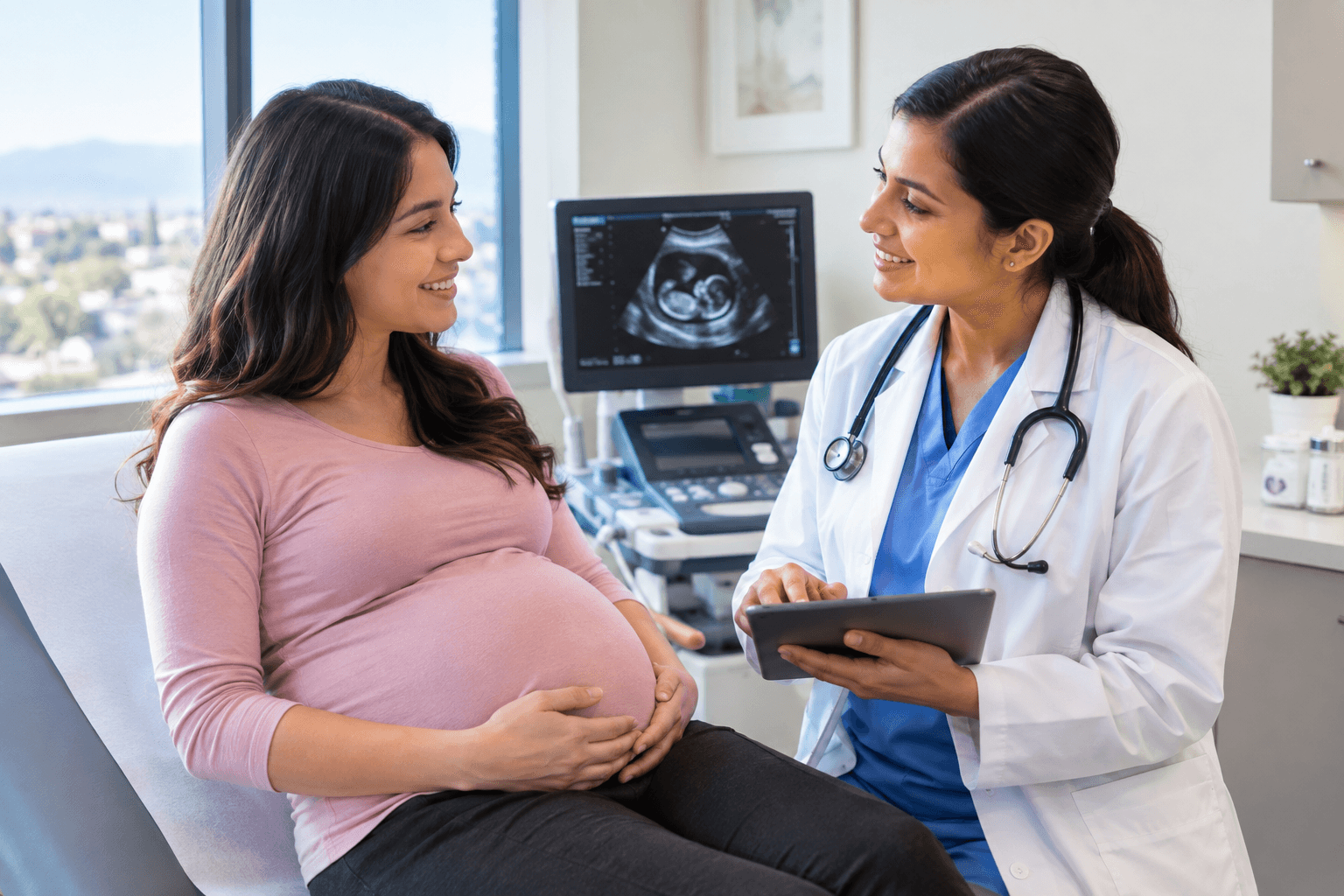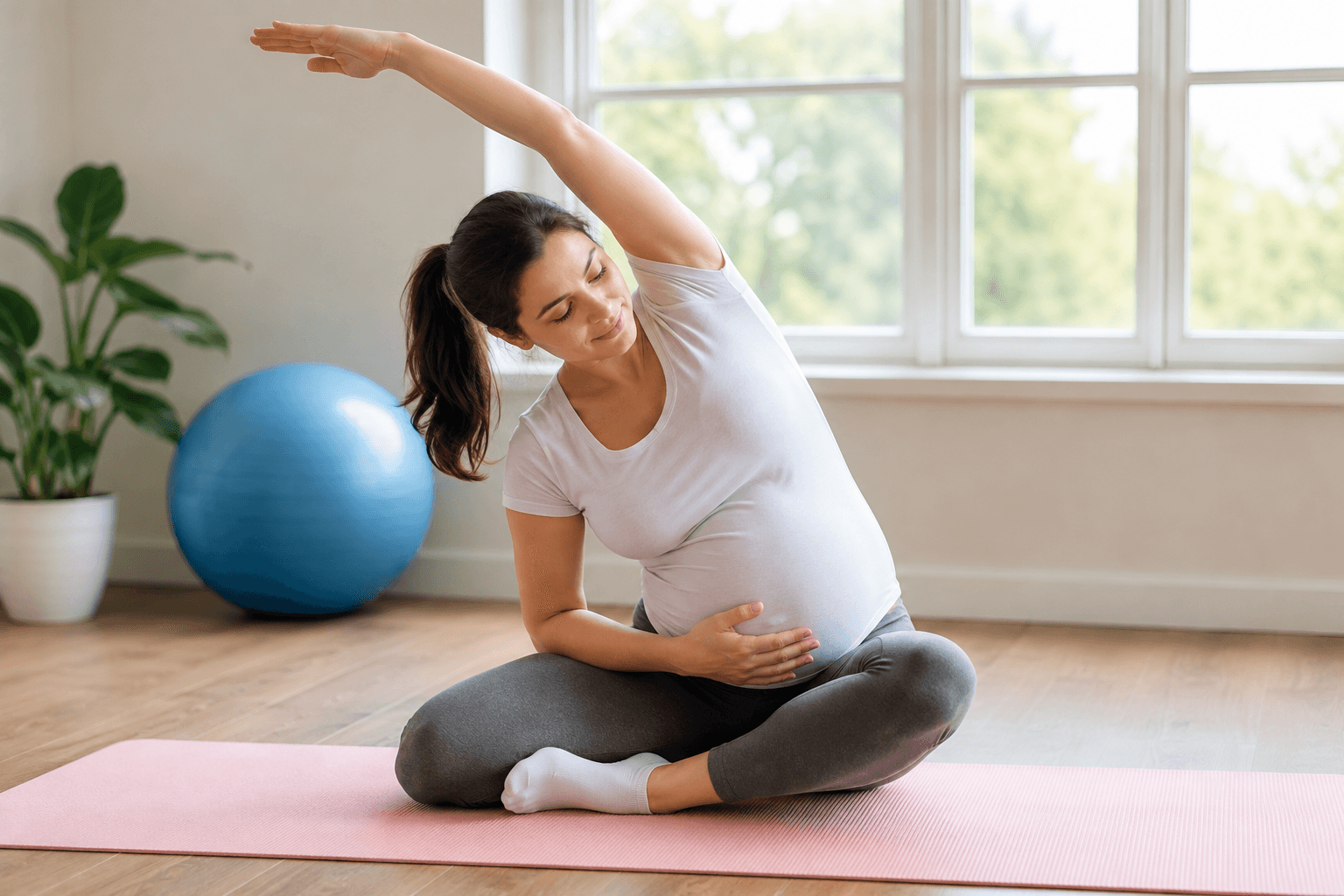
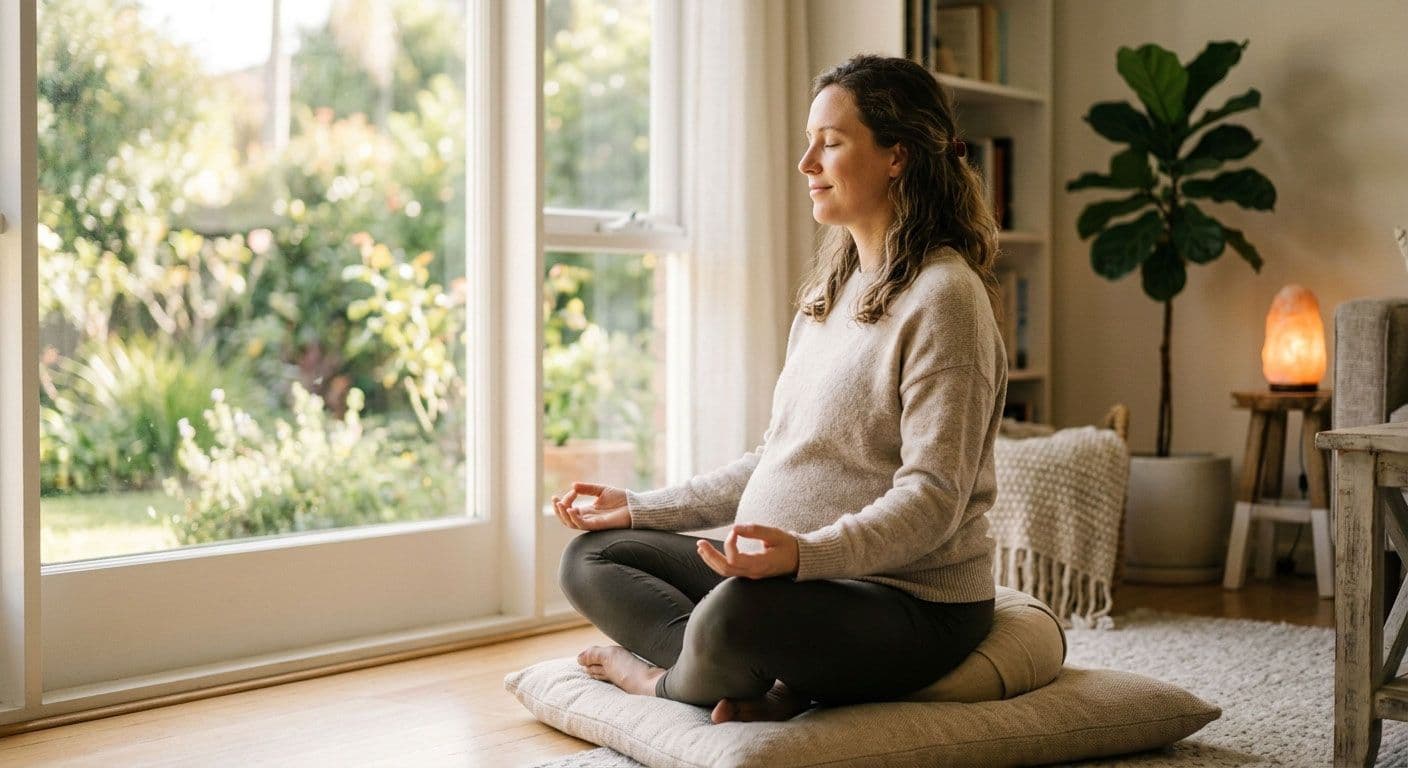
Pregnancy is a time of remarkable growth—not only for the baby, but also for the mother’s emotional, mental, and physical wellbeing. While nutrition, prenatal care, and physical health are often emphasized during pregnancy, emotional wellness also plays a vital role in supporting a healthy environment for both mother and baby.
This is one reason prenatal meditation has gained growing attention among expectant mothers and holistic wellness professionals. Meditation during pregnancy is not simply about relaxation—it is a practice that may positively influence stress levels, emotional balance, sleep quality, and even aspects of fetal development.
For families in Brea and throughout California, understanding the science behind prenatal meditation can help create a calmer and more connected pregnancy journey.
What Is Prenatal Meditation?
Prenatal meditation is a mindfulness-based practice designed specifically for pregnancy. It encourages women to slow down, breathe deeply, and focus attention on the present moment.
Practices may include:
- Guided meditation
- Deep breathing exercises
- Visualization techniques
- Body awareness exercises
- Quiet reflection or mindfulness
These techniques help calm the nervous system and reduce emotional overwhelm during pregnancy.
How Stress Affects Pregnancy
Stress is a normal part of life, but chronic stress during pregnancy may influence emotional wellbeing, sleep quality, and overall physical health.
When stress levels remain elevated for long periods, the body produces higher levels of stress hormones such as cortisol. Excessive stress may contribute to:
- Fatigue
- Sleep disruption
- Increased tension
- Emotional exhaustion
- Difficulty relaxing during pregnancy
This is why stress management becomes an important part of holistic prenatal care.
The Connection Between Maternal Calm and Baby Development
The baby develops within the mother’s physical and emotional environment. While occasional stress is normal, creating moments of calm and regulation may support a healthier pregnancy experience overall.
Prenatal meditation may help mothers:
- Regulate emotional responses
- Improve relaxation
- Sleep more consistently
- Feel more emotionally connected to the pregnancy
When mothers feel calmer and more supported, the body often responds more positively as well.
How Meditation Supports the Nervous System
Meditation activates the body’s relaxation response, helping shift the nervous system away from “fight or flight” mode.
Benefits may include:
- Slower heart rate
- Reduced muscle tension
- Lower perceived stress
- Improved breathing patterns
- Greater emotional balance
A calmer nervous system may also help women approach labor with greater confidence and focus.
Improved Sleep and Emotional Balance
Sleep disturbances are extremely common during pregnancy, especially as the body changes and emotional anticipation grows.
Meditation before bedtime may help:
- Quiet racing thoughts
- Improve relaxation
- Support deeper rest
- Reduce nighttime anxiety
Better sleep often improves energy, patience, and overall resilience during pregnancy.
Strengthening the Mother-Baby Connection
Many women use prenatal meditation as a way to intentionally connect with their baby.
Simple practices may include:
- Placing hands on the belly during breathing exercises
- Visualizing the baby growing safely and peacefully
- Spending quiet moments focusing on gratitude and connection
These practices can help mothers feel emotionally grounded and more connected to the pregnancy experience.
Meditation as Preparation for Labor
Labor requires emotional focus, physical endurance, and the ability to remain present during intense sensations. Meditation can help women develop these skills before birth begins.
Mindfulness practices during labor may support:
- Better breathing control
- Reduced panic or fear responses
- Increased body awareness
- Improved coping during contractions
Many natural birth preparation classes now include mindfulness and meditation techniques for this reason.
Small Daily Practices Can Make a Difference
Prenatal meditation does not need to be complicated or time-consuming.
Simple ways to begin include:
- Five minutes of deep breathing daily
- Guided meditation recordings
- Quiet reflection before sleep
- Gentle mindfulness walks outdoors
- Gratitude journaling
Consistency is often more valuable than long sessions.
Combining Meditation With Holistic Prenatal Care
Meditation works best as part of a broader wellness approach that may also include:
- Balanced nutrition
- Prenatal movement or yoga
- Quality sleep habits
- Emotional support
- Regular prenatal care
Together, these practices help support both physical and emotional wellbeing throughout pregnancy.
A Calmer Pregnancy, One Breath at a Time
Pregnancy is filled with change, anticipation, and growth. Prenatal meditation offers women a simple yet powerful way to create moments of calm in the middle of that transformation.
By slowing down, breathing intentionally, and nurturing emotional balance, many mothers discover a deeper sense of peace and connection—not only with themselves, but with the baby growing within them.
Your pregnancy is a time of growth, strength, and love. Don’t let stress take away your peace. Work with a trusted Holistic Care Provider or Health Care Provider to build confidence, balance, and well-being at every stage of your journey. Clinique Molière, Brea, CA | (714) 948-5655 — and experience compassionate pregnancy support that nurtures both emotional wellness and the beautiful bond between you and your baby.