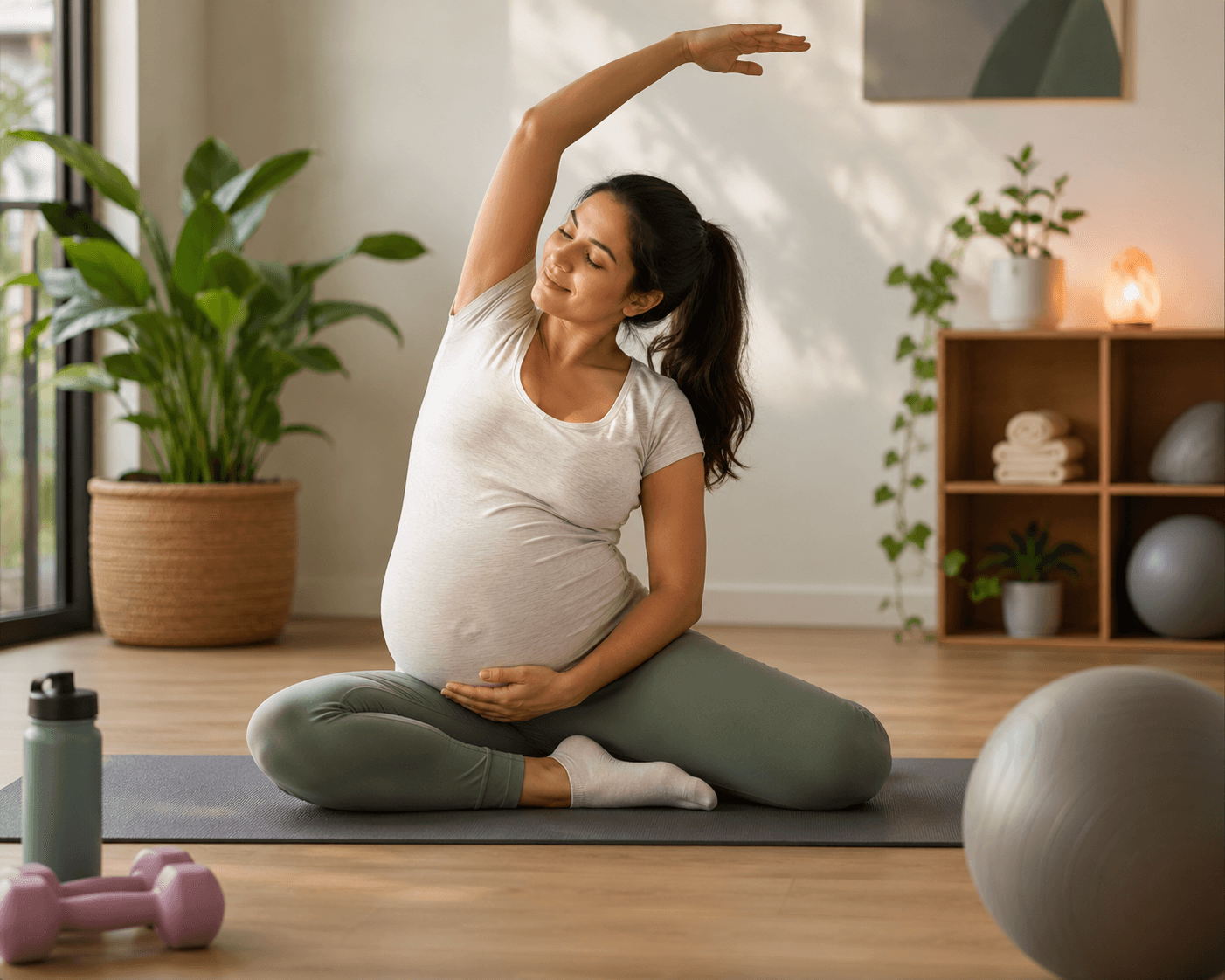
Pregnancy is a season of remarkable change. As your baby grows, your body adapts in countless ways to support that growth. While rest and recovery are important, movement also plays a vital role in maintaining physical health, emotional wellbeing, and overall comfort throughout pregnancy. The key is learning how to move safely, intelligently, and in a way that respects your body's changing needs.
Many expectant mothers worry that exercise may be harmful during pregnancy. In reality, for most healthy pregnancies, appropriate physical activity can offer numerous benefits for both mother and baby. The goal is not intense athletic performance or pushing physical limits. Instead, it is about staying active, supporting your body's natural functions, and developing habits that contribute to a healthier pregnancy and birth experience.
For families in Brea and throughout California, understanding safe prenatal movement can help mothers stay strong, confident, and connected to their bodies throughout every trimester.
Why Movement Matters During Pregnancy
Physical activity supports many aspects of maternal health.
Regular movement may help:
- Improve circulation
- Support healthy weight management
- Reduce pregnancy-related discomfort
- Enhance mood and emotional wellbeing
- Improve sleep quality
- Increase energy levels
- Promote overall physical fitness
Movement is not simply about exercise—it is about supporting the body's ability to adapt and function throughout pregnancy.
The Importance of Listening to Your Body
One of the most valuable lessons during pregnancy is learning to pay attention to your body's signals.
Your body may communicate through:
- Energy levels
- Breathing patterns
- Muscle fatigue
- Comfort or discomfort
- Balance and coordination changes
What feels appropriate during one trimester may feel different in another. Flexibility and self-awareness are essential components of a healthy movement routine.
Safe Forms of Exercise During Pregnancy
Many activities can be adapted to support pregnancy safely.
Popular options include:
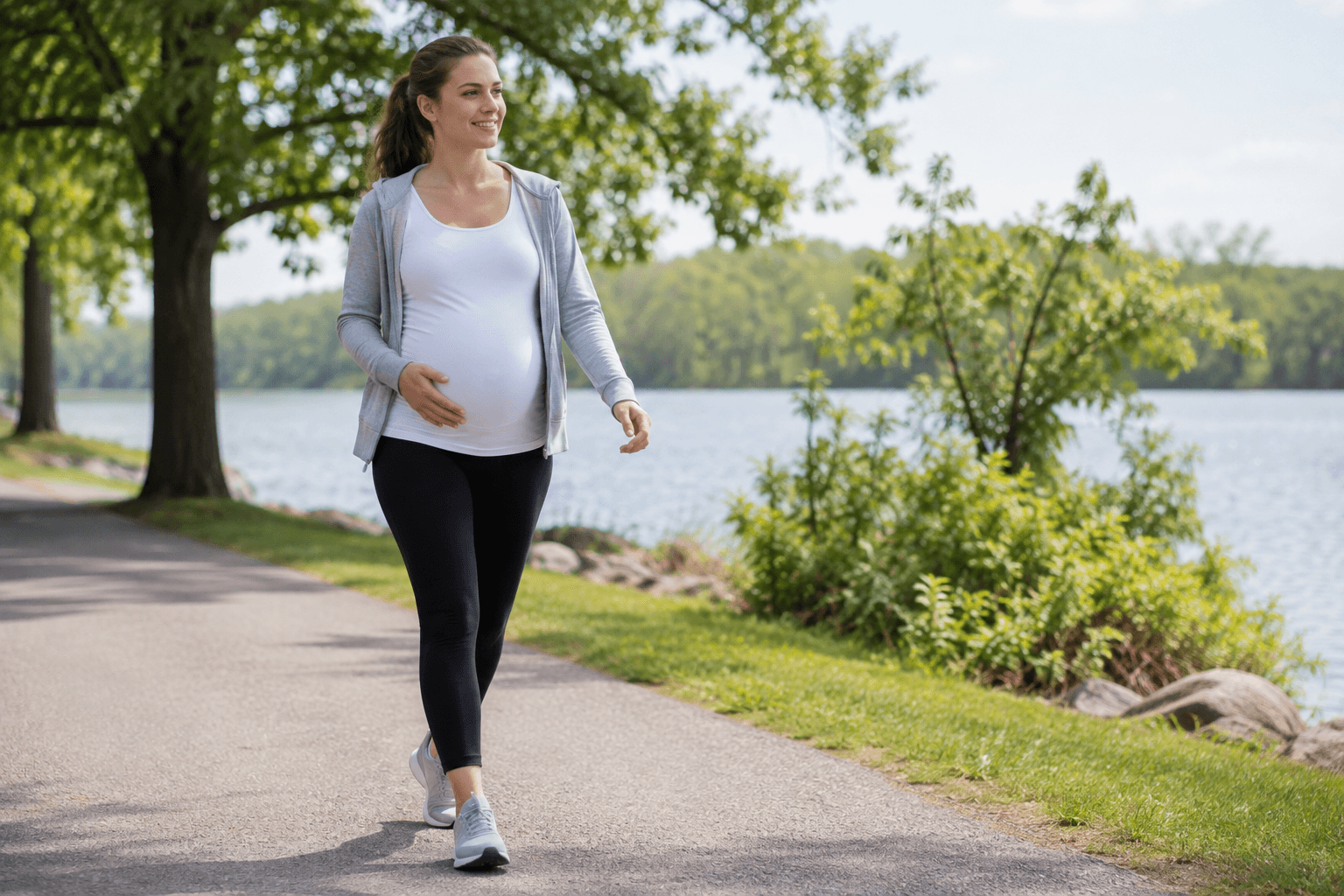
Walking
Walking is one of the simplest and most accessible forms of prenatal exercise.
Benefits may include:
- Improved cardiovascular health
- Better circulation
- Reduced stiffness
- Gentle full-body movement
Walking can often be adjusted based on energy levels and fitness experience.
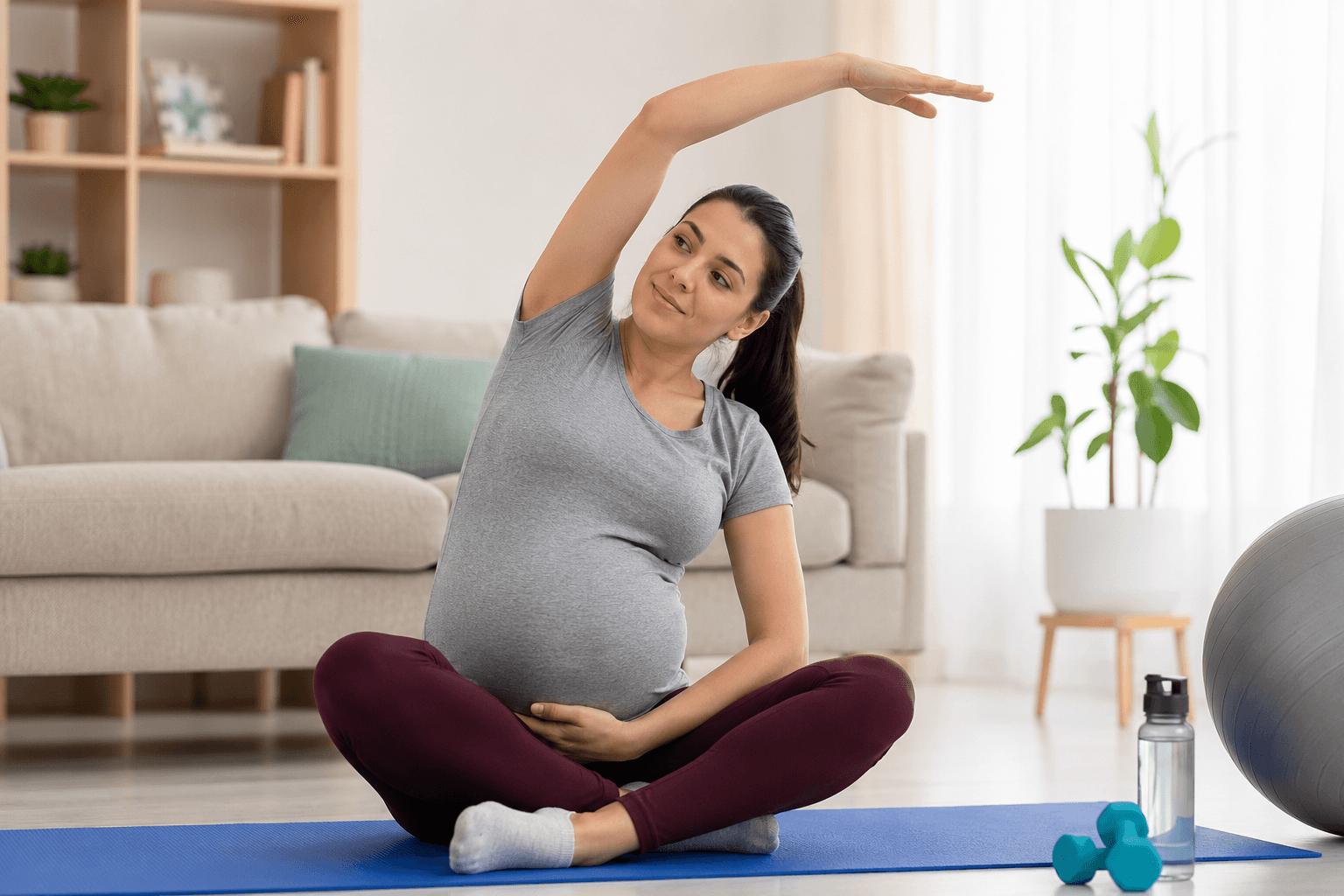
Prenatal Yoga
Prenatal yoga combines movement, breathing, and mindfulness.
Potential benefits include:
- Improved flexibility
- Stress reduction
- Enhanced body awareness
- Relaxation skills for labor preparation
Many women find prenatal yoga especially helpful as pregnancy progresses.
Swimming and Water Exercise
Water provides support while reducing pressure on joints and muscles.
Swimming may help:
- Relieve physical discomfort
- Improve circulation
- Reduce swelling
- Support gentle conditioning
The buoyancy of water often makes movement feel more comfortable during later pregnancy.
Strength Training
When performed appropriately, strength training can help maintain muscular support throughout pregnancy.
Benefits may include:
- Improved posture
- Enhanced stability
- Better support for daily activities
- Increased functional strength
Proper form and professional guidance are important when incorporating resistance exercises.
Supporting Posture and Core Stability
As the baby grows, the body's center of gravity changes.
These shifts may contribute to:
- Lower back discomfort
- Pelvic pressure
- Postural strain
- Balance challenges
Exercises that support posture, pelvic stability, and core awareness can help improve overall comfort and function.
The Role of Breathing During Exercise
Breathing becomes increasingly important throughout pregnancy.
Intentional breathing may help:
- Improve oxygen delivery
- Reduce physical tension
- Support relaxation
- Enhance exercise comfort
Breath awareness learned during pregnancy can also become a valuable tool during labor.
Understanding Physical Limitations
Pregnancy is not the time to ignore warning signs or push through significant discomfort.
Women should pay attention to symptoms such as:
- Dizziness
- Shortness of breath beyond normal exertion
- Pain
- Excessive fatigue
- Unusual discomfort
Safe movement should leave you feeling energized rather than depleted.
Adapting to Each Trimester
Physical needs evolve throughout pregnancy.
First Trimester
Many women experience:
- Fatigue
- Nausea
- Fluctuating energy levels
Gentle movement and flexibility with exercise routines are often beneficial.
Second Trimester
Many mothers experience increased energy and greater comfort with physical activity.
This can be an ideal time to establish consistent movement habits.
Third Trimester
As the baby grows, comfort and mobility may become more challenging.
Movement often shifts toward:
- Gentle stretching
- Walking
- Prenatal yoga
- Relaxation-focused exercises
The focus becomes maintaining comfort and preparing for birth.
Mental and Emotional Benefits of Movement
Exercise supports more than physical health.
Regular activity may help:
- Reduce stress
- Improve mood
- Enhance confidence
- Support emotional resilience
- Create a sense of accomplishment
Movement can be an important part of overall prenatal wellness.
Preparing for Labor Through Movement
Many of the physical and mental skills developed through prenatal exercise can support labor preparation.
Benefits may include:
- Improved endurance
- Better body awareness
- Greater confidence in movement
- Enhanced breathing control
- Increased flexibility and mobility
These skills can contribute to a more positive birth experience.
Partnering With Your Care Team
Every pregnancy is unique.
Before beginning or modifying an exercise program, women should discuss their plans with a trusted Health Care Provider or Holistic Care Provider. Personalized guidance can help ensure that movement choices align with individual health needs and pregnancy circumstances.
Moving With Confidence Throughout Pregnancy
Pregnancy is not about maintaining perfect fitness or meeting unrealistic exercise goals. It is about honoring your body's changing needs while supporting strength, mobility, and wellbeing. By listening carefully to your body and choosing safe, effective forms of movement, you can build confidence, improve comfort, and prepare for the journey ahead.
Every walk, stretch, breath, and mindful movement is an opportunity to support both yourself and your growing baby. Your pregnancy deserves compassionate care that honors your physical and emotional wellbeing. Clinique Molière, Brea, CA | (714) 948-5655 — offers holistic support and personalized guidance to help you stay active, healthy, and confident throughout every stage of pregnancy and beyond.