Pregnancy brings many changes to the body, and nutrition becomes an important part of supporting those changes. The foods you eat provide energy for your daily needs while supplying nutrients that help your baby grow and develop. A healthy pregnancy diet does not need to be complicated, restrictive, or built around expensive ingredients. What matters most is choosing a variety of nourishing foods and developing eating habits that work with your appetite, culture, lifestyle, and stage of pregnancy.
There is no single perfect pregnancy menu. Some days you may enjoy balanced meals, while nausea, fatigue, food aversions, or changing appetite may make eating more difficult. The goal is consistency over time rather than perfection at every meal.
Why Nutrition Matters During Pregnancy
Your body works continuously throughout pregnancy to support the growth of the placenta, expand blood volume, develop maternal tissues, and nourish your growing baby. These changes increase the need for several vitamins, minerals, and other nutrients.
A balanced diet can help support energy levels, healthy digestion, blood production, bone development, and fetal growth. It also provides a foundation for maternal wellbeing during pregnancy and after childbirth.
According to the National Institutes of Health, nutrients such as folate, iron, iodine, calcium, choline, and vitamin D have important roles during pregnancy.
Essential Nutrients to Include in a Pregnancy Diet
Rather than focusing on individual superfoods, aim to include different food groups throughout the week. Each offers a combination of nutrients that contribute to a healthy pregnancy.
1. Folate and Folic Acid
Folate is a B vitamin that supports cell growth and the development of the baby's brain and spinal cord. Adequate folic acid intake around conception and during early pregnancy helps reduce the risk of neural tube defects.
Good food sources include spinach, broccoli, lentils, beans, citrus fruits, and fortified grain products. Food choices are important, but they may not provide enough folic acid on their own. Discuss the appropriate prenatal supplement with your Health Care Provider.
2. Iron for Healthy Blood Production
During pregnancy, your body produces more blood to support both maternal needs and the developing baby. Iron helps make hemoglobin, the protein in red blood cells that carries oxygen.
Include iron-rich foods such as lentils, beans, chickpeas, leafy greens, lean meat, and iron-fortified cereals. Pair plant-based iron sources with vitamin C-rich foods, such as oranges, tomatoes, bell peppers, or guava, to improve absorption.
Your iron needs may depend on your blood test results, diet, and individual circumstances. Supplements should be taken according to professional guidance.
3. Calcium and Vitamin D
Calcium supports the development of your baby's bones and teeth while helping maintain your own bone health. Vitamin D helps the body absorb calcium and also contributes to normal immune and bone function.
Useful sources include milk, yogurt, pasteurized cheese, calcium-fortified plant drinks, eggs, and suitable fish. Spending time outdoors may help with vitamin D production, but sunlight exposure does not always provide enough. Ask whether supplementation is appropriate.
4. Protein for Growth and Repair
Protein supplies amino acids needed for the development of your baby's tissues and organs. It also supports changes taking place in your own body.
Include eggs that are properly cooked, beans, lentils, tofu, nuts, seeds, poultry, lean meat, and low-mercury seafood. A vegetarian or vegan pregnancy diet can also be nutritious when meals are planned to provide enough protein and key micronutrients.
5. Iodine, Choline, and Omega-3 Fatty Acids
Iodine supports thyroid function and is important for fetal brain development. Iodized salt, dairy products, eggs, and seafood can contribute to iodine intake.
Choline plays a role in brain and nervous system development. Eggs, fish, meat, dairy, soybeans, and some legumes provide choline.
Omega-3 fatty acids, particularly DHA, contribute to the development of the baby's brain and eyes. Low-mercury seafood is one useful source. If you do not eat fish, discuss suitable alternatives with your Health Care Provider.
What Foods Should You Eat During Pregnancy?
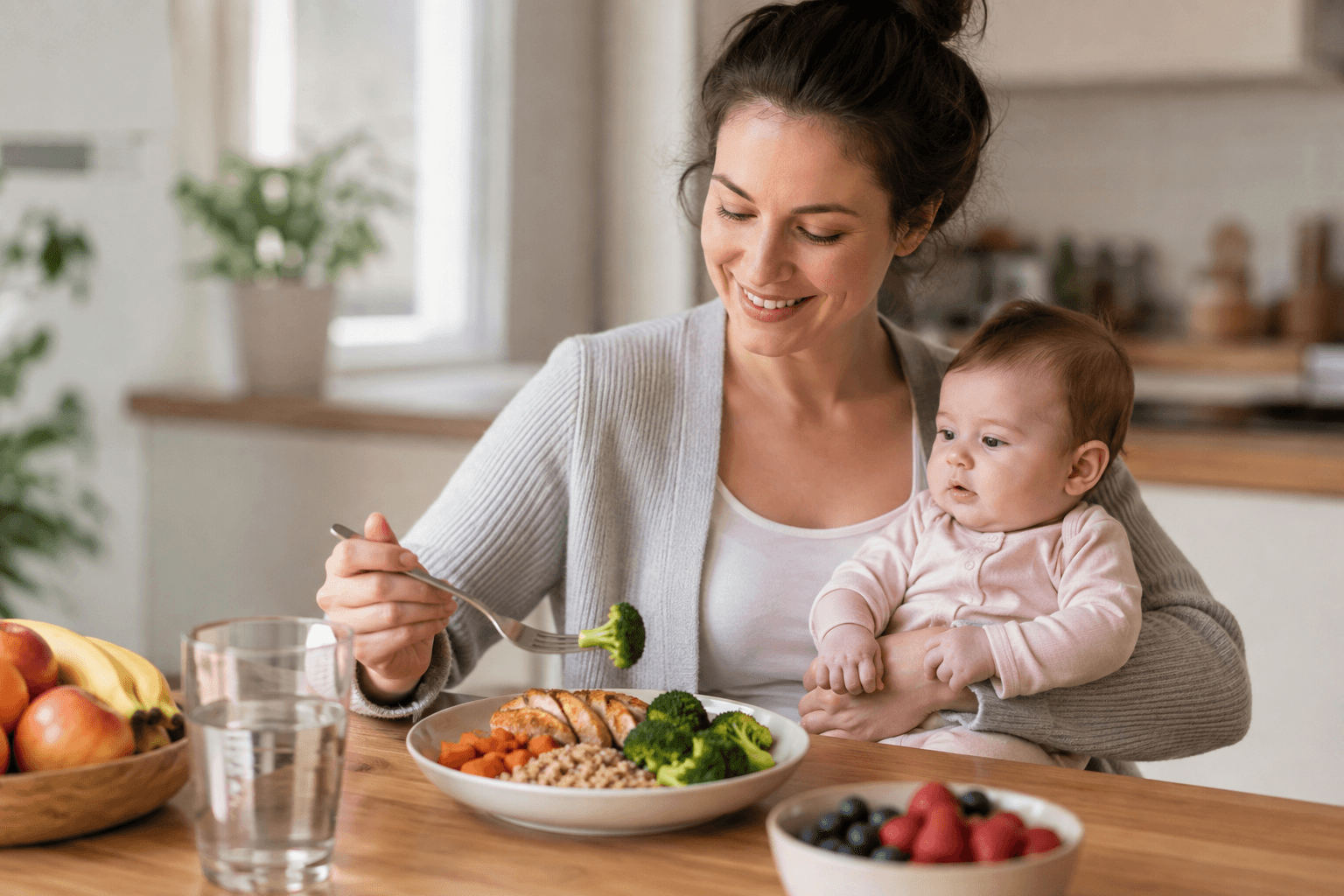
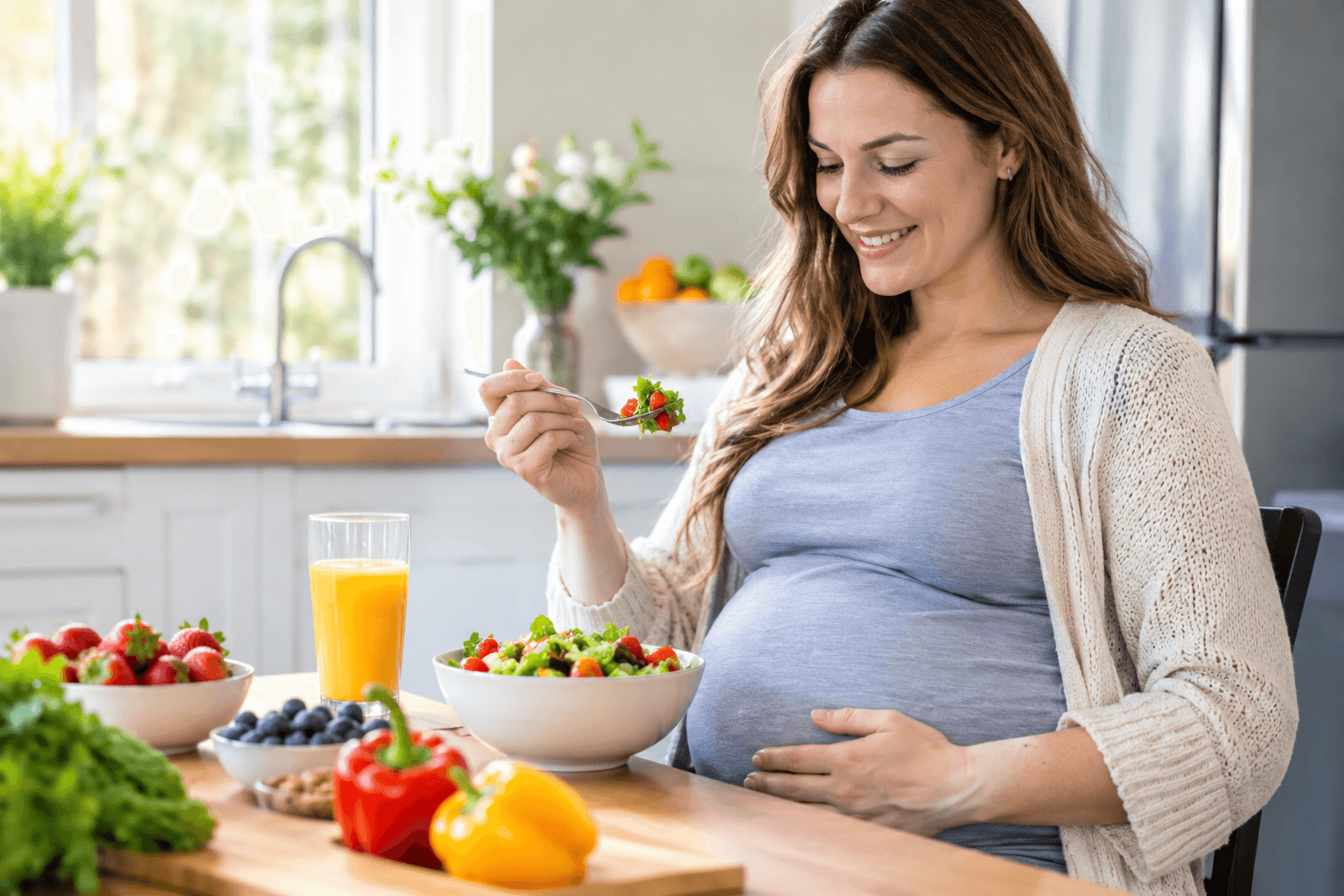
A practical pregnancy diet includes a mixture of vegetables, fruits, whole grains, protein foods, and calcium-rich options.
- Vegetables: Spinach, carrots, broccoli, sweet potatoes, peas, okra, and bell peppers provide fiber, vitamins, and minerals.
- Fruits: Apples, bananas, oranges, berries, mangoes, and guava offer vitamins, natural carbohydrates, and fiber.
- Whole grains: Oats, brown rice, whole-wheat chapati, quinoa, and whole-grain bread provide energy and support digestion.
- Protein foods: Lentils, beans, eggs, tofu, poultry, lean meat, and low-mercury fish help meet protein needs.
- Healthy fats: Nuts, seeds, avocado, and suitable vegetable oils provide fats needed for normal body functions.
- Calcium-rich foods: Milk, yogurt, pasteurized cheese, and fortified alternatives help support bone health.
Fresh, frozen, and appropriately prepared canned produce can all contribute to a nutritious diet. Variety matters more than relying on one particular ingredient.
Foods and Drinks to Limit or Avoid
Food safety deserves extra attention during pregnancy because certain infections and contaminants can pose risks to the developing baby.
Keep these precautions in mind:
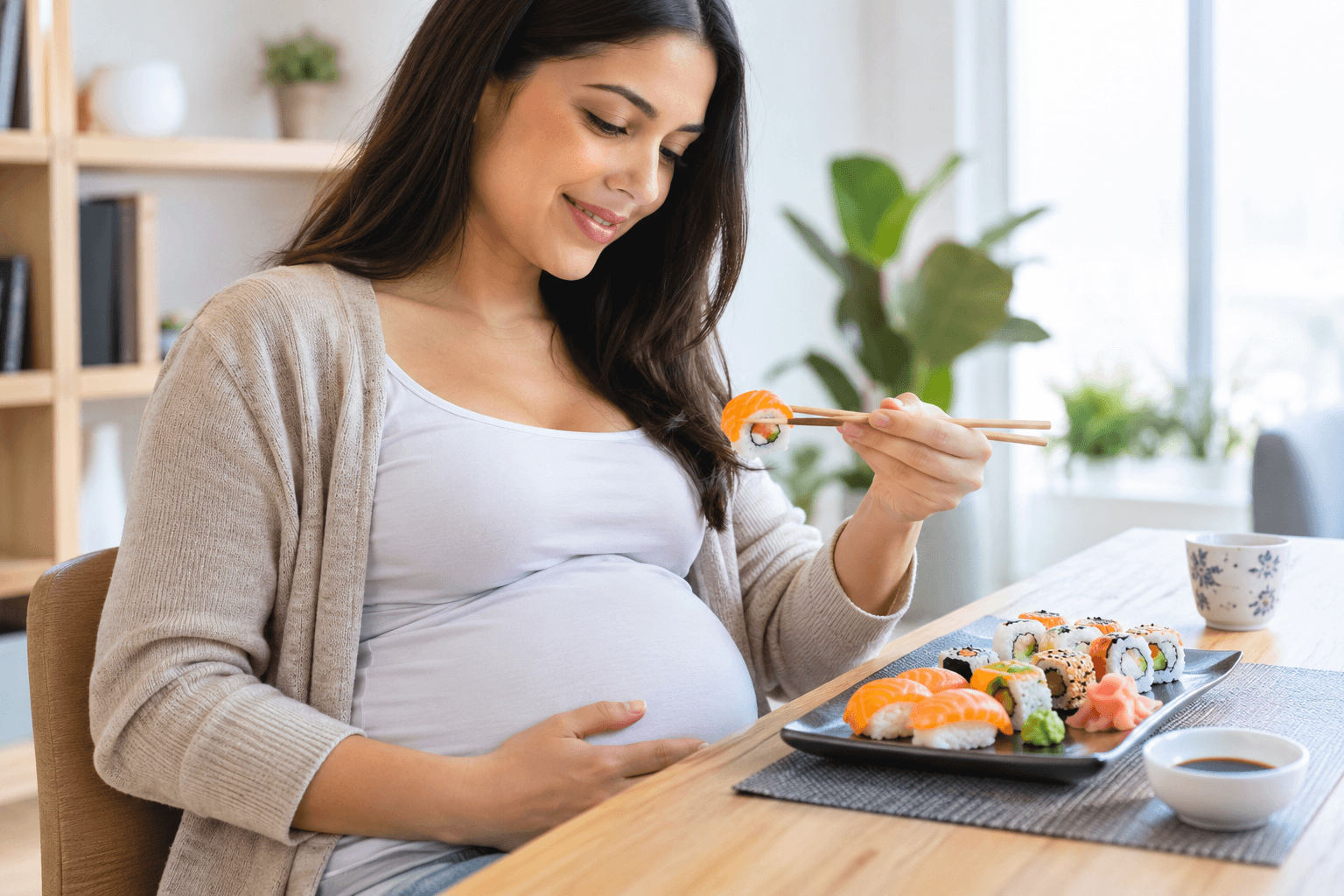
- Avoid raw or undercooked meat, poultry, seafood, and eggs.
- Choose pasteurized milk, cheese, and juices.
- Avoid high-mercury fish and choose seafood considered lower in mercury.
- Wash fruits and vegetables thoroughly before eating or preparing them.
- Keep raw and cooked foods separate, and refrigerate perishable foods promptly.
- Reheat deli meats and hot dogs until steaming hot.
- Avoid alcohol throughout pregnancy.
- Limit caffeine to no more than 200 mg per day, unless your Health Care Provider advises otherwise.
Food guidance can vary by product and location, so check current local recommendations when choosing seafood, dairy products, and ready-to-eat foods.
Hydration and Healthy Eating Habits
Water supports digestion, circulation, nutrient transport, and the increase in blood volume that occurs during pregnancy. Keep water available throughout the day and drink regularly, especially in warm weather or when you are physically active.
If plain water feels unappealing, try adding lemon or other fresh fruit. Soups, milk, and water-rich fruits can also contribute to fluid intake. Limit sugary drinks and avoid relying on energy drinks for a boost.
Eating smaller meals more frequently may help if you experience nausea, heartburn, or early fullness. Fiber-rich foods, such as oats, vegetables, fruit, and lentils, can also support bowel regularity. Increase fiber gradually and drink enough fluids.
A Simple Example of a Balanced Pregnancy Meal Plan
You do not need to follow a strict menu, but a simple daily structure can make nutritious choices easier.
- Breakfast: Oatmeal with milk, fruit, and a handful of nuts.
- Mid-morning snack: Yogurt or a banana.
- Lunch: Whole-wheat chapati or brown rice with dal, cooked vegetables, and yogurt.
- Afternoon snack: Fruit with roasted chickpeas or whole-grain crackers.
- Dinner: Cooked fish, tofu, or paneer with vegetables and whole grains.
- Evening option: A glass of milk or another nourishing snack if you are hungry.
Adjust portions according to your appetite, activity level, nutritional needs, and guidance from your Health Care Provider. People with gestational diabetes, food allergies, anemia, multiple pregnancies, or specific dietary restrictions may need an individualized plan.
Do You Need Prenatal Vitamins?
Even with a varied diet, meeting every nutritional requirement can be challenging during pregnancy. A prenatal supplement may help fill nutritional gaps, particularly for nutrients such as folic acid and iron.
However, more is not always better. Avoid taking multiple supplements or high-dose vitamins without professional advice. Excessive amounts of certain nutrients, including preformed vitamin A, can be harmful during pregnancy. Your supplement needs should be reviewed in light of your diet, medical history, and any blood test results.
Building a Nourishing Foundation for Pregnancy
A healthy pregnancy diet is not about following strict food rules or feeling guilty when your meals are not perfect. It is about giving your body consistent nourishment, making safe food choices, staying hydrated, and responding to changing nutritional needs as pregnancy progresses. If you are unsure what to eat, experiencing persistent nausea, following a vegetarian or vegan diet, or concerned about nutrient deficiencies, individualized guidance can make a meaningful difference. At Clinique Molière in Brea, CA, you can discuss pregnancy nutrition, prenatal wellbeing, and supportive care with a Holistic Care Provider or Health Care Provider. Call (714) 948-5655 to learn more about available pregnancy support and take a confident, informed approach to nourishing yourself and your growing baby.