
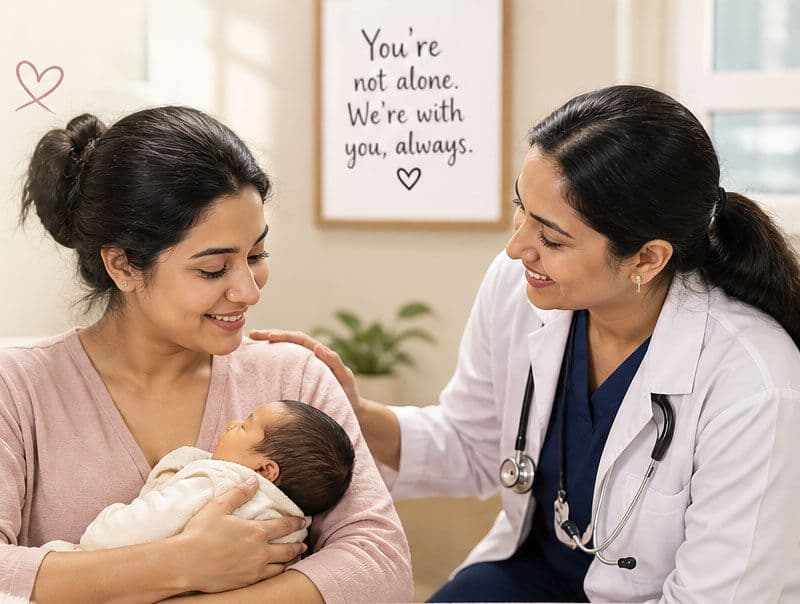
For many women, the focus of pregnancy care often centers on labor and delivery. But the truth is, the journey does not end once the baby is born—it evolves into a critical phase of healing, adjustment, and emotional transformation. This is where continuity of care becomes essential.
Continuity of care means having consistent support from the same trusted care team before, during, and after birth. For new mothers in Brea and beyond, this approach can make a profound difference in recovery, confidence, and overall wellbeing.
What Is Continuity of Care?
Continuity of care refers to an ongoing relationship between a mother and her Health Care Provider or Holistic Care Provider across all stages of maternity care.
This includes:
- Prenatal support
- Labor and delivery care
- Postpartum follow-up
- Ongoing wellness guidance
Instead of interacting with different providers at each stage, continuity of care ensures familiarity, trust, and personalized attention throughout the entire journey.
Why Postpartum Care Is So Important
The postpartum period—often called the “fourth trimester”—is a time of intense physical recovery and emotional adjustment.
During this phase, women may experience:
- Physical healing from birth
- Hormonal shifts
- Sleep deprivation
- Breastfeeding challenges
- Emotional highs and lows
- Identity changes
Without proper support, this period can feel overwhelming. Continuity of care helps ensure that mothers are not left navigating these challenges alone.
1. Faster and Safer Physical Recovery
After childbirth, the body needs time to heal and regain strength. Ongoing care helps monitor recovery and identify concerns early.
Support may include:
- Monitoring bleeding and healing
- Addressing pain or discomfort
- Guidance on movement and rest
- Support for pelvic and core recovery
Having a provider who already understands your pregnancy and birth history allows for more accurate and responsive care.
2. Emotional and Mental Health Support
Emotional wellbeing is a major part of postpartum recovery, yet it is often overlooked.
Continuity of care allows providers to recognize changes in mood or behavior more easily.
This can help with:
- Identifying postpartum anxiety or depression early
- Providing emotional reassurance
- Offering coping strategies
- Creating a safe space to talk openly
When women feel emotionally supported, they are more likely to recover with confidence and stability.
3. Breastfeeding and Newborn Guidance
New mothers often need guidance in the early days of caring for their baby.
Support may include:
- Breastfeeding assistance
- Understanding newborn feeding patterns
- Managing common challenges
- Building confidence in baby care
Consistent guidance reduces stress and helps mothers feel more capable in their new role.
4. Stronger Trust and Communication
One of the greatest benefits of continuity of care is the relationship that develops over time.
When you work with the same provider:
- Communication becomes easier
- You feel more comfortable asking questions
- Your preferences are better understood
- Care feels more personalized
This trust can significantly improve the overall birth and postpartum experience.
5. Early Detection of Potential Issues
Ongoing care helps identify concerns before they become serious.
This may include:
- Signs of infection or delayed healing
- Emotional distress
- Feeding challenges
- Hormonal imbalances
- Fatigue or nutritional concerns
Early support often leads to quicker and more effective solutions.
6. Support for the Transition Into Motherhood
Becoming a mother involves more than physical recovery—it includes emotional, social, and identity changes.
Continuity of care supports this transition by:
- Providing reassurance during uncertain moments
- Encouraging self-care
- Helping balance responsibilities
- Offering guidance as routines develop
This ongoing support helps women feel grounded and less overwhelmed.
7. A Holistic Approach to Long-Term Wellness
Postpartum care is not just about the first few weeks—it can influence long-term health.
Holistic, continuous care may include:
- Nutritional guidance
- Stress management strategies
- Hormonal balance support
- Preventive health planning
- Lifestyle adjustments for long-term wellbeing
This approach helps women move from recovery into sustained wellness.
A More Supported Motherhood Journey
Continuity of care transforms maternity support from a series of disconnected appointments into a meaningful relationship. It ensures that women feel seen, heard, and supported—not just during labor, but throughout the entire transition into motherhood.
When care continues beyond delivery, mothers are better equipped to heal, adapt, and thrive.
You Deserve Care That Continues
Your journey into motherhood deserves more than a single moment of care—it deserves ongoing support that evolves with you. Continuity of care helps ensure that your physical recovery, emotional wellbeing, and long-term health are all nurtured with intention.
Your pregnancy is a time of growth, strength, and love. Don’t let stress take away your peace. Work with a trusted Holistic Care Provider or Health Care Provider to build confidence, balance, and well-being at every stage of your journey. Clinique Molière, Brea, CA | (714) 948-5655 — and choose care that stays with you beyond birth, supporting you through every step of your new beginning.