
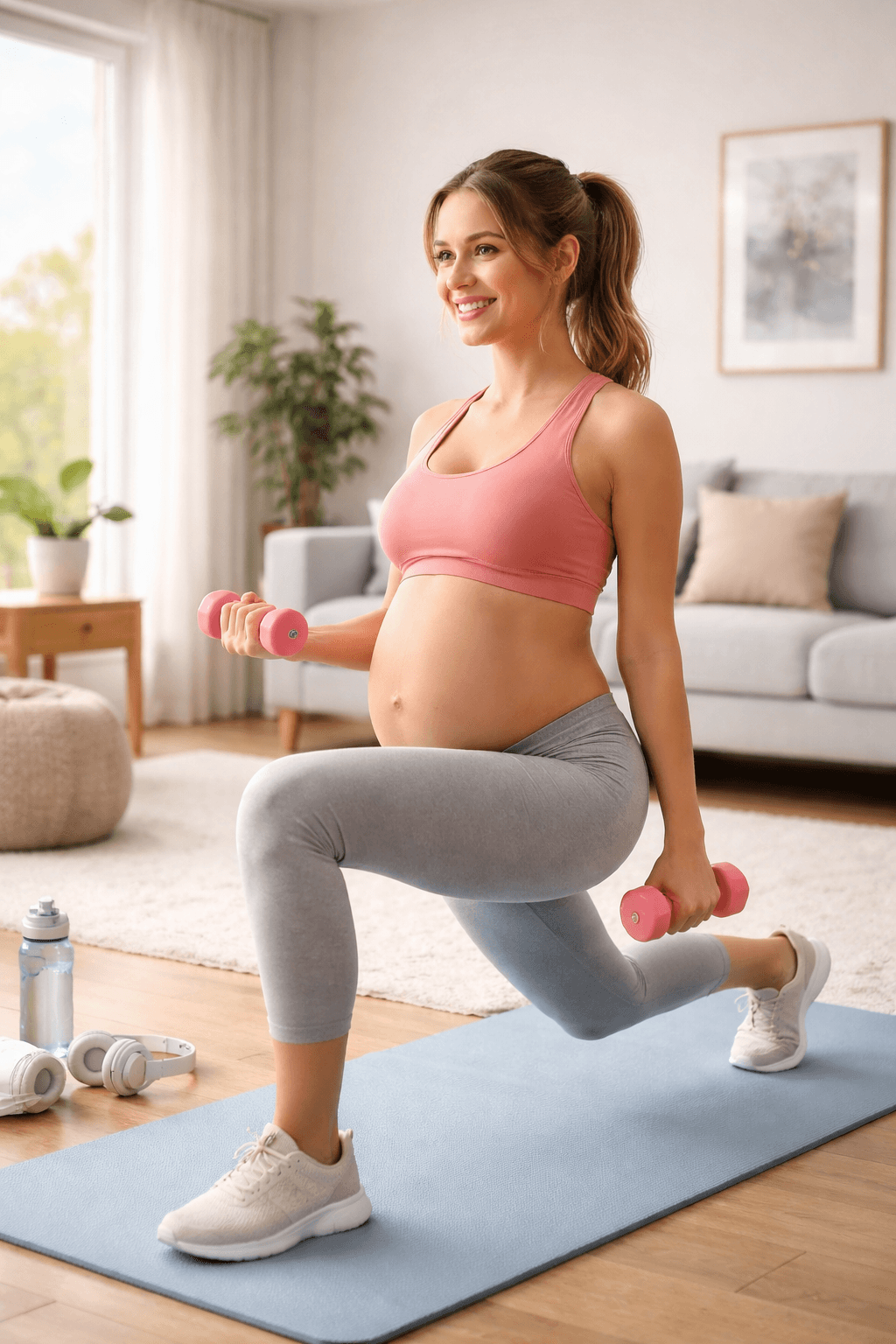
The second trimester is often considered one of the most comfortable phases of pregnancy. Many women experience increased energy, reduced nausea, and a renewed sense of balance compared to the first trimester. This makes it an ideal time to focus on healthy movement and physical wellness.
Exercise during the second trimester can support strength, circulation, mood, and overall comfort. However, it is important to approach activity with awareness and care. A holistic approach to prenatal fitness emphasizes listening to your body, maintaining safety, and choosing movement that nurtures both mother and baby.
For mothers in Brea and beyond, understanding the do’s and don’ts of exercise during the second trimester can help create a healthier and more confident pregnancy journey.
Why Exercise Matters During the Second Trimester
Regular physical activity during pregnancy can offer many benefits, including:
- Improved energy levels
- Better circulation
- Reduced back pain and stiffness
- Enhanced mood and reduced stress
- Better sleep quality
- Preparation for labor and postpartum recovery
Movement also helps support the mind-body connection, which is valuable throughout pregnancy and birth.
The Do’s of Exercise During the Second Trimester
1. Choose Low-Impact Activities
Gentle and moderate movement is often the best choice during pregnancy.
Recommended activities may include:
- Walking
- Prenatal yoga
- Swimming
- Stationary cycling
- Light strength training
- Stretching routines
These activities help maintain fitness while minimizing strain on the joints.
2. Listen to Your Body
Pregnancy is not the time to push through discomfort. Your body is already working hard to support your growing baby.
Pay attention to signs such as:
- Fatigue
- Dizziness
- Shortness of breath
- Pain or unusual discomfort
Rest when needed and modify activities based on how you feel each day.
3. Focus on Core Stability and Posture
As the body changes, posture and balance can shift. Gentle exercises that support core muscles, pelvic stability, and posture can reduce discomfort.
Helpful movements include:
- Pelvic tilts
- Gentle squats
- Prenatal Pilates-inspired exercises
- Upper back strengthening
Strong supportive muscles can help ease common pregnancy aches.
4. Stay Hydrated
Hydration is essential during pregnancy and especially important while exercising.
Tips include:
- Drink water before, during, and after movement
- Avoid overheating
- Exercise in cool, well-ventilated spaces
Proper hydration supports circulation and overall wellbeing.
5. Warm Up and Cool Down
Take time to ease into and out of exercise sessions.
A proper warm-up prepares muscles and joints, while cooling down helps regulate heart rate and prevents sudden fatigue.
The Don’ts of Exercise During the Second Trimester
1. Don’t Overexert Yourself
Pregnancy is not the time for extreme intensity or performance goals.
Avoid:
- Exhaustive workouts
- Breathless exertion
- Competitive pressure to “stay fit”
The goal is wellness, not pushing limits.
2. Don’t Ignore Warning Signs
Stop exercising and seek guidance if you experience:
- Vaginal bleeding
- Persistent dizziness
- Severe shortness of breath
- Chest pain
- Strong contractions
- Leakage of fluid
- Significant pain
Your safety and your baby’s wellbeing always come first.
3. Don’t Lie Flat on Your Back for Long Periods
After the first trimester, prolonged flat-back positions may become uncomfortable for some women and may reduce circulation.
Choose modified positions such as:
- Side-lying
- Elevated upper body positions
- Standing or seated exercises
4. Don’t Choose High-Risk Activities
Avoid activities with a higher chance of falls, abdominal impact, or injury, such as:
- Contact sports
- Skiing
- Horseback riding
- Activities with rapid directional changes
- Unsafe balance-based workouts
Pregnancy changes coordination and center of gravity, making caution essential.
5. Don’t Compare Yourself to Others
Every pregnancy is different. Energy levels, comfort, and physical capacity vary from person to person.
Your movement plan should reflect your body, not someone else’s routine.
Holistic Benefits Beyond Fitness
Exercise during pregnancy is not only physical—it can also support emotional and mental wellness.
Regular movement may help:
- Reduce stress hormones
- Improve mood
- Build confidence in the body
- Encourage better connection with the pregnancy journey
Gentle movement becomes a form of self-care when approached mindfully.
Building a Sustainable Routine
Consistency matters more than intensity. Short, regular sessions are often more beneficial than occasional strenuous workouts.
Examples:
- 20–30 minute walks
- Prenatal yoga two to three times weekly
- Light stretching daily
- Gentle strength sessions with proper guidance
Sustainable routines are easier to maintain throughout pregnancy.
Move With Confidence and Care
The second trimester is a valuable time to support your health through safe, intentional movement. By following smart exercise habits and honoring your body’s changing needs, you can improve comfort, strength, and emotional balance throughout pregnancy.
Your pregnancy is a time of growth, strength, and love. Don’t let stress take away your peace. Work with a trusted Holistic Care Provider or Health Care Provider to build confidence, balance, and well-being at every stage of your journey. Clinique Molière, Brea, CA | (714) 948-5655 — and enjoy a healthier, more energized pregnancy with guidance that supports both you and your baby.