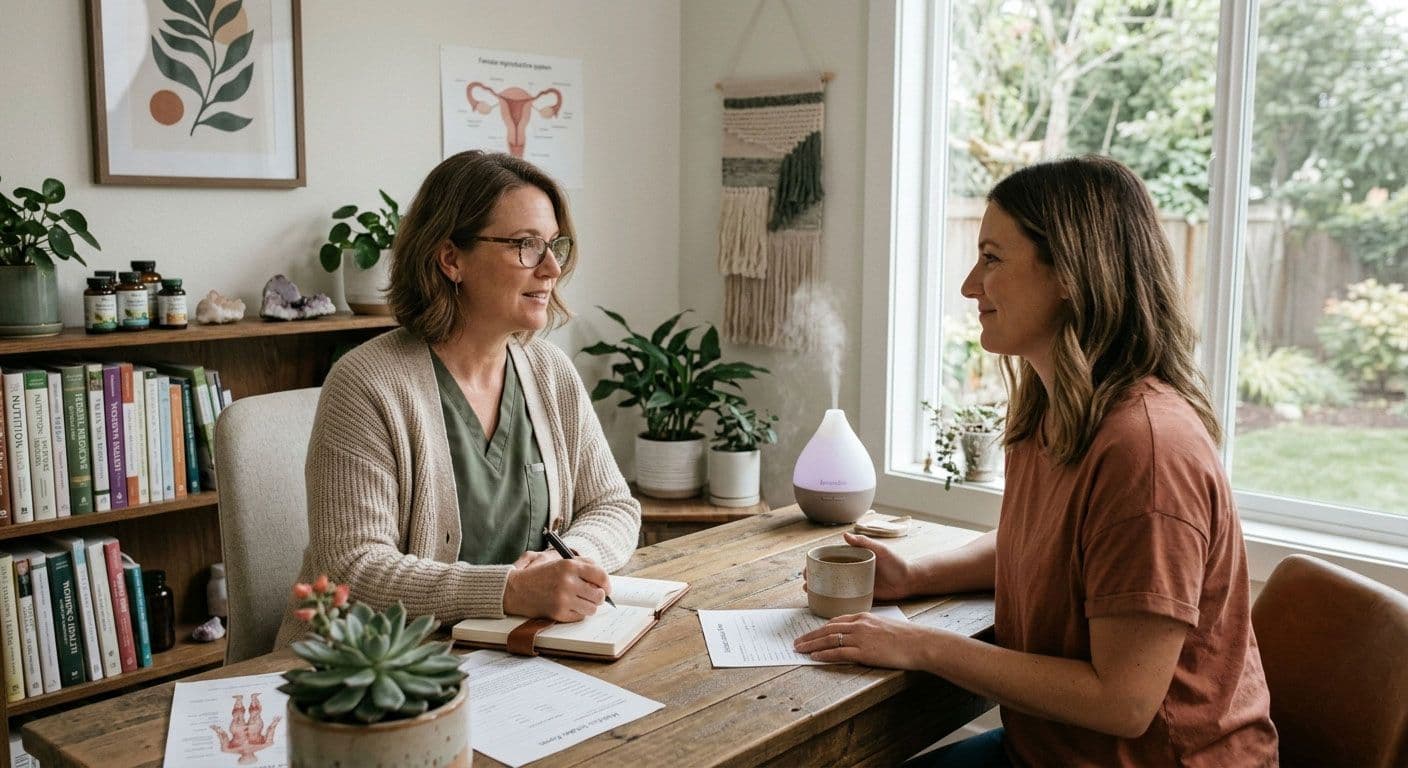
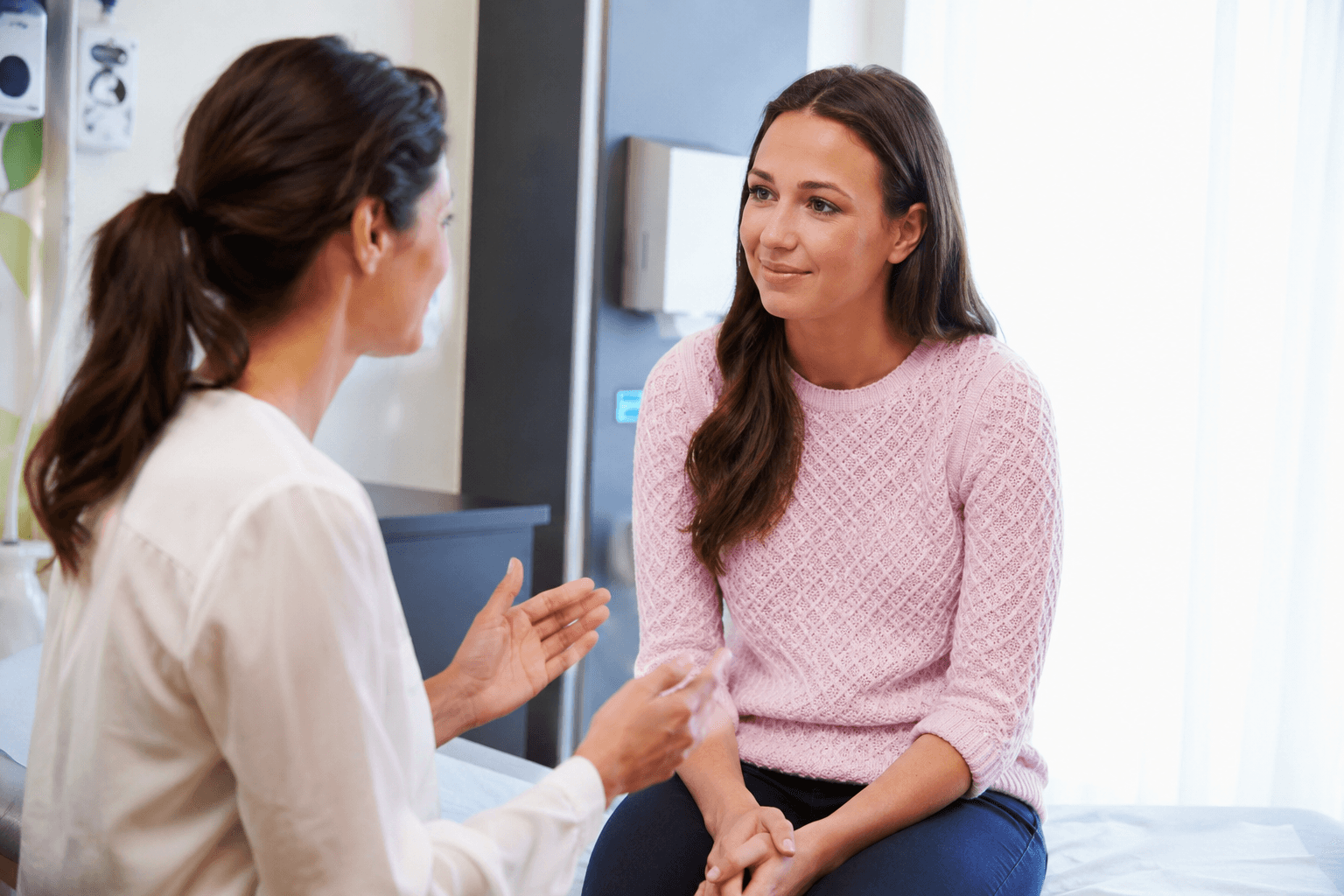
Life gets busy, and many women find themselves prioritizing work, family, and countless daily responsibilities before their own health. It's not uncommon to postpone routine checkups until something feels wrong. However, one of the most effective ways to protect your long-term health is by scheduling regular well-woman exams—even when you feel perfectly healthy.
A well-woman exam is more than a routine appointment. It is a comprehensive preventive health visit that focuses on early detection, personalized guidance, and maintaining overall wellness throughout every stage of life. The frequency of these visits may vary depending on your age, medical history, and individual health needs, but regular preventive care remains an essential part of lifelong health.
For women in Brea and throughout California, consistent well-woman care can help identify potential health concerns early while supporting physical, emotional, and reproductive wellbeing.
What Is a Well-Woman Exam?
A well-woman exam is a preventive healthcare visit designed specifically to address a woman's changing health needs throughout her lifetime.
Depending on your age and health history, the appointment may include:
- A review of your personal and family medical history
- A physical examination
- Blood pressure measurement
- Preventive health screenings
- Breast health evaluation
- Cervical cancer screening when appropriate
- Reproductive and menstrual health discussions
- Mental and emotional wellbeing assessments
- Lifestyle and nutrition counseling
Unlike appointments that focus on treating a specific illness, well-woman exams emphasize prevention, education, and long-term health planning.
How Often Should You Have a Well-Woman Exam?
For most adult women, an annual well-woman exam is recommended, even if additional screenings such as Pap tests are not needed every year.
Annual visits allow your Health Care Provider or Holistic Care Provider to:
- Monitor changes in your overall health
- Update your medical history
- Review medications and supplements
- Discuss lifestyle habits
- Assess risk factors
- Recommend age-appropriate preventive screenings
Even when you feel healthy, these yearly appointments provide an opportunity to detect concerns before symptoms develop.
Why Annual Visits Are Important
Health can change gradually over time.
Annual well-woman visits help monitor:
- Blood pressure
- Weight and body mass index (BMI)
- Mental health
- Hormonal changes
- Reproductive health
- Cardiovascular risk factors
- Lifestyle habits
Small changes identified early are often easier to manage than conditions discovered after symptoms become more advanced.
Well-Woman Care by Life Stage
Your healthcare needs evolve throughout your life, and well-woman exams should reflect those changes.
Adolescence and Young Adulthood
Early preventive visits often focus on:
- Menstrual health
- Vaccination recommendations
- Nutrition and exercise
- Sexual and reproductive health education
- Mental health discussions
These appointments help establish healthy habits and a trusting relationship with a healthcare provider.
Reproductive Years
During the childbearing years, well-woman exams may include discussions about:
- Family planning
- Birth control options
- Fertility concerns
- Pregnancy planning
- Menstrual cycle changes
- Preventive screenings
Routine visits support both current health and future reproductive goals.
Pregnancy Planning
If you are considering pregnancy, scheduling a preconception well-woman visit is an excellent first step.
Topics often include:
- Prenatal vitamins
- Chronic medical conditions
- Medication safety
- Nutrition
- Lifestyle modifications
- Immunization status
Optimizing health before conception can support a healthier pregnancy for both mother and baby.
Perimenopause and Menopause
As hormone levels change during midlife, regular visits become increasingly valuable.
Your provider may discuss:
- Hot flashes
- Sleep disturbances
- Mood changes
- Bone health
- Heart health
- Hormone therapy options
- Healthy aging strategies
Preventive care during this stage supports both symptom management and long-term wellness.
Postmenopausal Years
After menopause, well-woman exams continue to play an important role.
Visits may focus on:
- Osteoporosis prevention
- Cardiovascular health
- Cancer screenings
- Metabolic health
- Cognitive wellbeing
- Maintaining mobility and independence
Preventive care remains just as important after reproductive years have ended.
What Screenings May Be Recommended?
Not every screening is performed annually, but your provider will recommend tests based on your age, health history, and risk factors.
These may include:
- Blood pressure screening
- Cholesterol testing
- Diabetes screening
- Cervical cancer screening
- Breast cancer screening
- Bone density testing
- Colorectal cancer screening
- Thyroid evaluation when appropriate
Your provider will help determine the timing of each screening based on current clinical guidelines and your personal risk profile.
Don't Wait for Symptoms
Many serious health conditions—including high blood pressure, diabetes, high cholesterol, and some cancers—may not cause noticeable symptoms during their early stages.
Waiting until symptoms appear may delay diagnosis and treatment.
Routine preventive visits provide an opportunity to identify health concerns early, when treatment is often most effective.
Questions to Discuss During Your Well-Woman Exam
Your annual visit is an ideal time to ask questions about your health.
Topics may include:
- Menstrual changes
- Fertility and family planning
- Pregnancy preparation
- Menopause symptoms
- Nutrition and weight management
- Mental health
- Sexual health
- Exercise recommendations
- Sleep concerns
No concern is too small when it comes to your health.
Building a Long-Term Partnership With Your Provider
One of the greatest benefits of regular well-woman care is developing an ongoing relationship with a trusted Health Care Provider or Holistic Care Provider.
Over time, your provider gains a deeper understanding of your:
- Health history
- Family history
- Lifestyle
- Personal goals
- Individual risk factors
This continuity of care supports more personalized recommendations and informed healthcare decisions.
Make Preventive Care a Priority
Scheduling a well-woman exam each year is one of the simplest yet most impactful investments you can make in your health. These visits provide an opportunity to monitor your wellbeing, stay current with preventive screenings, address questions before they become larger concerns, and create a personalized plan for lifelong wellness.
Your health deserves attention at every stage of life—not only when problems arise. By making preventive care a regular part of your routine, you are taking an important step toward protecting your future health and quality of life.
Your wellbeing is worth prioritizing. Work with a trusted Holistic Care Provider or Health Care Provider to establish a preventive care plan that evolves with your changing needs. Clinique Molière, Brea, CA | (714) 948-5655 — offers compassionate, comprehensive well-woman care designed to help you stay healthy, informed, and empowered through every chapter of life.