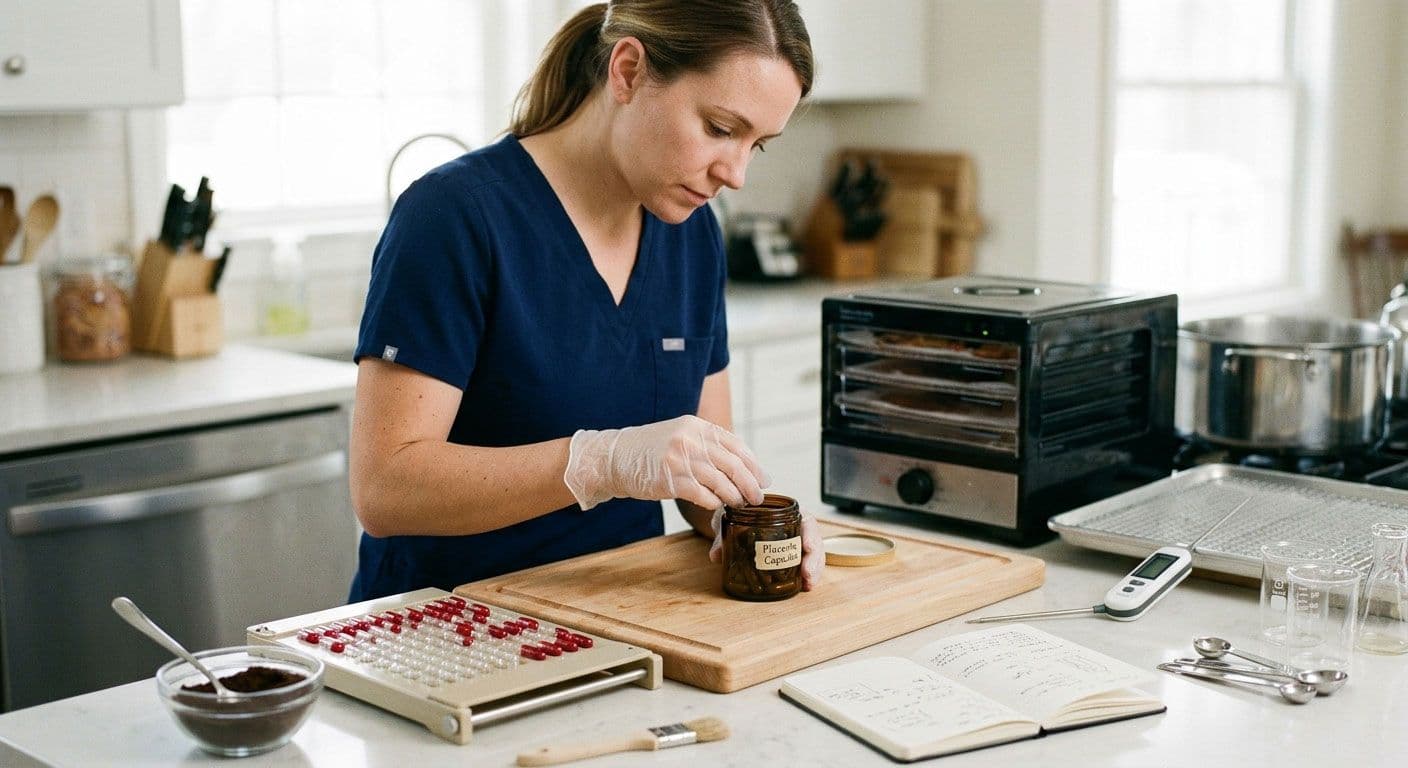
Placenta encapsulation has become an increasingly discussed topic among new mothers seeking holistic postpartum support. Rooted in traditional practices and now offered in modern wellness settings, placenta encapsulation involves preparing the placenta after birth, dehydrating it, and placing it into capsules for postpartum use.
Supporters often view it as a natural way to aid recovery, energy, and emotional balance after childbirth. At the same time, families want to understand the science, safety standards, and practical considerations before making a decision. A thoughtful approach includes balancing tradition, personal values, and evidence-informed care.
For families in Brea and throughout California, learning the full picture can help guide informed postpartum choices.
What Is Placenta Encapsulation?
After delivery, the placenta can be processed by a trained specialist using food-grade handling practices. The tissue is typically cleaned, prepared, dehydrated, ground into powder, and placed into capsules.
Depending on the provider, preparation methods may vary. Families should always ask how processing is performed, what sanitation steps are followed, and how storage and labeling are handled.
Placenta encapsulation is usually considered part of postpartum wellness planning rather than standard medical treatment.
Historical and Cultural Roots
Across different cultures and time periods, the placenta has been viewed as significant and symbolic. Some traditions honored it through ceremonial burial, while others believed it held restorative value after childbirth.
Modern placenta encapsulation reflects a contemporary adaptation of these traditional beliefs. For some women, it represents continuity with natural postpartum care and a desire to support recovery in a more personalized way.
Tradition can be meaningful, but modern decisions should also include current safety practices and realistic expectations.
Why Some Women Choose It
Women who explore placenta encapsulation often hope for support in areas such as:
- Postpartum energy
- Emotional balance during hormonal shifts
- Nutritional replenishment
- Overall recovery and wellbeing
- A more natural postpartum routine
Experiences vary widely. Some women report positive personal experiences, while others notice little difference.
Because postpartum recovery is influenced by many factors—sleep, support, nutrition, stress, and birth experience—it can be difficult to isolate one single cause of improvement.
What Does Science Currently Say?
Scientific research on placenta encapsulation remains limited. At present, evidence does not strongly confirm broad medical benefits, and studies are often small or mixed.
This means placenta encapsulation should not be viewed as a guaranteed treatment for fatigue, postpartum depression, anemia, or hormonal imbalance. Instead, it is best understood as a complementary wellness choice that some women find personally meaningful.
A balanced perspective is important: personal testimonials exist, but strong universal conclusions are still lacking.
Safety Considerations Matter
Safety is one of the most important parts of this conversation. Because placenta encapsulation is not identical to pharmaceutical manufacturing, quality standards may vary between providers.
Important questions include:
- Was the placenta stored properly after birth?
- Were hygienic handling practices followed?
- Were clean, dedicated tools used?
- Was dehydration performed adequately?
- Were capsules packaged and labeled safely?
Improper handling can increase contamination risk. Choosing a trained, reputable specialist is essential.
Who Should Use Extra Caution?
Some postpartum situations may require extra care or may not be ideal for placenta encapsulation, depending on individual circumstances.
Examples may include:
- Maternal infection concerns
- Certain pregnancy complications
- Placental abnormalities
- Medication exposure considerations
- Newborn health concerns involving infection risk
This is why discussing postpartum wellness plans with a trusted Health Care Provider or Holistic Care Provider can be valuable.
Placenta Encapsulation Is Not a Replacement for Core Recovery Needs
Even if chosen, placenta encapsulation should never replace the fundamentals of postpartum healing.
The most powerful recovery supports still include:
- Rest whenever possible
- Nourishing meals and hydration
- Emotional support
- Follow-up postpartum assessments
- Gentle movement when appropriate
- Help with newborn care
- Attention to mental wellbeing
No capsule can replace comprehensive postpartum support.
Choosing a Qualified Specialist
If exploring encapsulation, ask practical questions before hiring a specialist:
- What training or certification do you have?
- What sanitation standards do you follow?
- How is pickup, storage, and transport managed?
- What is your turnaround time?
- How are capsules packaged and labeled?
- What postpartum guidance do you provide?
Clear answers often reflect professionalism and safety awareness.
Tradition and Modern Wellness Can Coexist
Many women appreciate blending modern postpartum care with traditional practices that feel meaningful to them. This can include placenta encapsulation, nourishing foods, bodywork, emotional support, or restorative rituals.
The key is thoughtful integration—not assuming that natural automatically means risk-free, and not dismissing traditions simply because they are not conventional.
Making an Informed Postpartum Decision
Placenta encapsulation is a personal choice. For some women, it becomes a valued part of postpartum care. For others, different recovery tools may feel more aligned. There is no one-size-fits-all answer.
The best postpartum decisions are made through informed reflection, realistic expectations, and support that honors both science and personal values.
Your pregnancy is a time of growth, strength, and love. Don’t let stress take away your peace. Work with a trusted Holistic Care Provider or Health Care Provider to build confidence, balance, and well-being at every stage of your journey. Clinique Molière, Brea, CA | (714) 948-5655 — and explore postpartum care options with guidance that is thoughtful, supportive, and centered on your whole wellbeing.