Pregnancy and childbirth bring remarkable changes to a woman's body. While much attention is given to postpartum sleep, breastfeeding, nutrition, and emotional wellbeing, one important area can sometimes be overlooked: pelvic floor recovery after childbirth.
The pelvic floor is a group of muscles that supports the bladder, bowel, uterus, and other pelvic organs. These muscles also play an important role in bladder and bowel control and sexual function. Pregnancy and childbirth can stretch and weaken the pelvic floor, which may lead to symptoms such as urinary leakage, pelvic pressure, or discomfort.
The good news is that pelvic floor recovery is possible for many women with time, appropriate exercises, healthy habits, and professional support when needed. Recovery does not have to mean rushing back to your pre-pregnancy routine. It is about gradually rebuilding strength, coordination, comfort, and confidence.
What Happens to the Pelvic Floor During Pregnancy and Birth?
The pelvic floor acts like a supportive hammock at the bottom of the pelvis. Throughout pregnancy, these muscles carry increasing physical demands as the uterus and baby grow.
During vaginal birth, the pelvic floor and surrounding tissues stretch significantly as the baby moves through the birth canal. A cesarean birth does not completely eliminate pelvic floor changes because pregnancy itself can affect these muscles.
Some women recover quickly, while others experience symptoms for longer.
Factors that can influence recovery include:
- Number of pregnancies and births
- Vaginal or cesarean delivery
- Length and difficulty of labor
- Perineal tears or an episiotomy
- Baby's size and position
- Previous pelvic floor problems
- Individual tissue strength
- Overall physical health
Every postpartum recovery is different, so comparing your body with another new mother's timeline can create unnecessary pressure.
Common Pelvic Floor Symptoms After Childbirth
Some pelvic floor symptoms are common after pregnancy and birth, but that does not mean you should simply ignore them.
Possible symptoms include:
- Leaking urine when coughing or sneezing
- Urinary leakage during exercise
- Difficulty controlling gas or bowel movements
- A feeling of heaviness or pressure in the pelvis
- A sensation of vaginal bulging
- Pelvic or lower-back discomfort
- Reduced pelvic floor strength
- Pain or discomfort during sexual activity
- Difficulty fully emptying the bladder or bowel
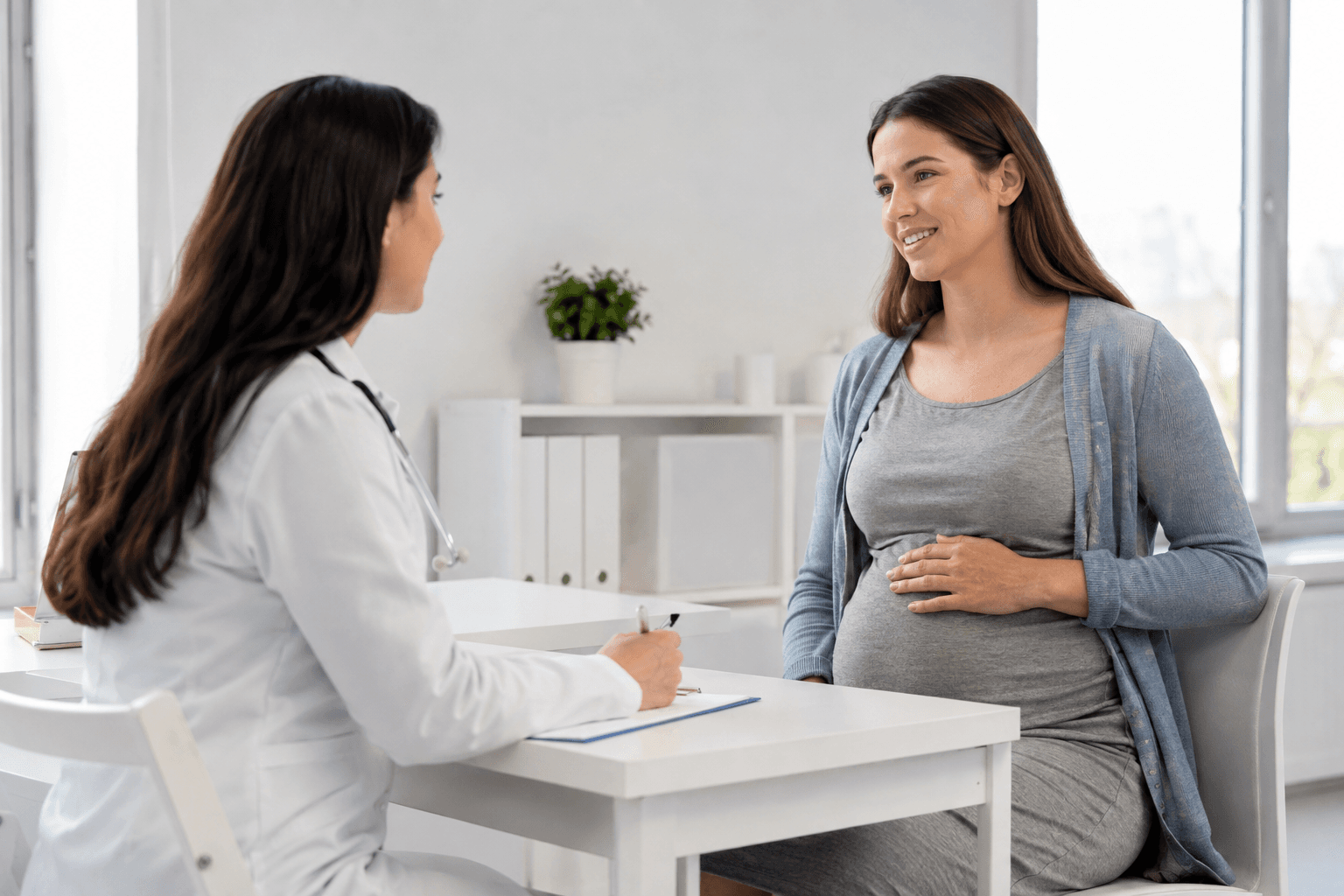
The NHS advises women to discuss ongoing bladder or bowel control problems with a Health Care Provider because pelvic floor exercises or referral to a physiotherapist may help.
When Can You Start Pelvic Floor Exercises?
For many women, gentle pelvic floor exercises can begin soon after childbirth.
Guidance from NHS maternity services indicates that pelvic floor exercises can be started gently after birth, including after a vaginal delivery or cesarean birth. If you have a urinary catheter, you should generally wait until it has been removed and you are passing urine normally before beginning these exercises.
If you have significant pain, a complicated delivery, extensive tearing, or another postpartum concern, ask your maternity care team for individualized guidance.
The key is to start gently rather than trying to force the muscles to work harder than they are ready to.
How to Perform Pelvic Floor Exercises
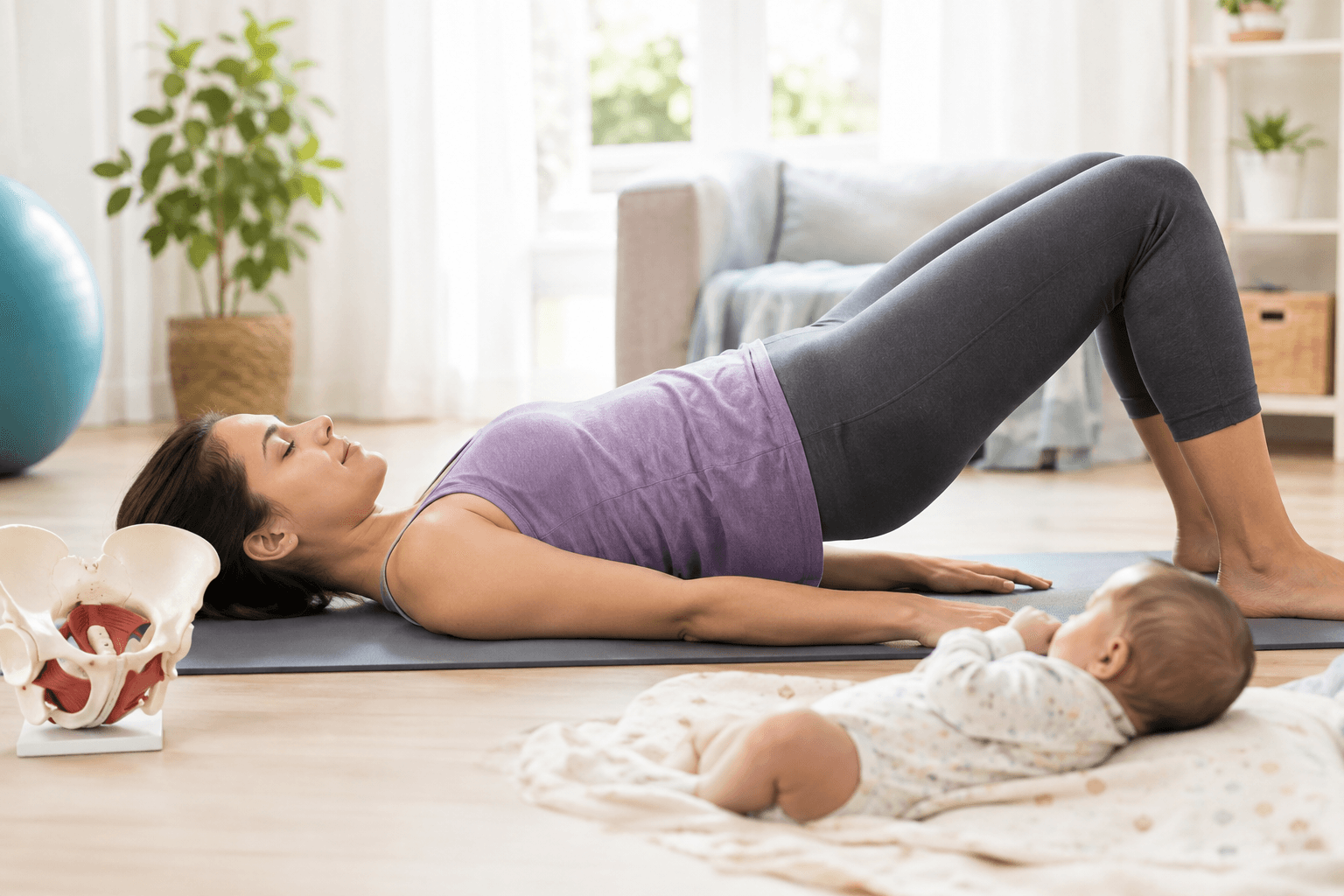
Pelvic floor exercises are sometimes called Kegel exercises.
To identify the muscles, imagine that you are gently trying to prevent yourself from passing gas while also stopping urine flow. You should feel a sensation of squeeze and lift around the pelvic area.
Once you identify the muscles:
- Get comfortable sitting, lying down, or standing.
- Gently tighten and lift your pelvic floor muscles.
- Continue breathing normally.
- Hold the contraction for a few seconds.
- Completely relax the muscles.
- Repeat several times.
- Gradually increase the length of the contraction as your strength improves.
You can also practice short, quick contractions followed by complete relaxation.
Over time, many postpartum exercise programs work toward longer contractions of up to about 10 seconds and repeated short contractions. However, the exact number and intensity should be adjusted according to your recovery and symptoms.
Don't Practice While Urinating
Although imagining stopping urine flow can help you identify the correct muscles, repeatedly stopping your urine stream as an exercise is not recommended.
Instead, perform pelvic floor exercises after you have emptied your bladder.
Relaxation Is Just as Important as Strength
Postpartum pelvic floor recovery is not simply about making the muscles stronger.
The muscles also need to relax and coordinate properly.
After each contraction, allow the pelvic floor to release completely. Avoid holding your breath, tightening your buttocks, or constantly keeping your pelvic muscles clenched.
If you experience pain or feel that you cannot relax the muscles properly, a pelvic health physiotherapist can assess your individual needs.
Support Recovery With Gentle Movement
You do not need to begin with intense workouts.
If your recovery allows, gentle movement such as walking and light stretching can be a useful starting point. The NHS notes that women who have had a straightforward birth can begin gentle exercise when they feel ready, while high-impact activities such as running and aerobics may need to wait until after the postnatal assessment. Recovery can take longer following a complicated delivery or cesarean birth.
Think about postpartum exercise as a gradual progression:
Rest → gentle movement → pelvic floor activation → core recovery → increased strength → higher-impact exercise
Your timeline may be different from someone else's.
Protect Your Pelvic Floor During Daily Activities
Recovery happens throughout the day, not just during exercise.
New mothers frequently lift their babies, carry car seats, bend over, stand for long periods, and perform repetitive household tasks. These activities can place additional pressure on the recovering pelvic floor.
Helpful habits include:
- Bend your knees when lifting.
- Keep your baby or other load close to your body.
- Avoid unnecessary heavy lifting during early recovery.
- Exhale rather than holding your breath when exerting yourself.
- Avoid straining during bowel movements.
- Drink adequate fluids.
- Eat fiber-rich foods to help prevent constipation.
- Take regular rest breaks.
Postpartum guidance from UCLH recommends pacing activities and avoiding strenuous activity and heavy lifting during the early weeks following birth.
What About Diastasis Recti?
Some women also notice a separation between the abdominal muscles after pregnancy, commonly called diastasis recti.
The abdominal wall and pelvic floor work together to support the trunk and pelvis. Therefore, postpartum recovery often involves more than isolated pelvic floor exercises.
Gentle deep abdominal exercises, good posture, breathing, and gradual strengthening can be incorporated as recovery progresses.
If you notice significant abdominal separation, discomfort, weakness, or difficulty returning to normal activities, ask a Health Care Provider or women's health physiotherapist for an individualized assessment.
Returning to Running and High-Impact Exercise
Many active women understandably want to return to running, jumping, aerobics, or high-intensity workouts after giving birth.
However, returning too quickly can place substantial pressure on recovering pelvic floor and abdominal muscles.
The appropriate timeline depends on:
- Type of birth
- Healing of tears or surgical wounds
- Pelvic floor symptoms
- Abdominal strength
- Pain levels
- Overall recovery
- Previous fitness level
Rather than focusing only on a specific number of weeks, pay attention to how your body responds.
If running causes urine leakage, pelvic pressure, pain, heaviness, or other symptoms, stop and seek professional guidance rather than pushing through them.
What If You Experience Urinary Leakage?
A small amount of urine leakage when coughing, sneezing, laughing, or exercising can occur after childbirth. But you do not have to accept ongoing leakage as simply part of being a mother.
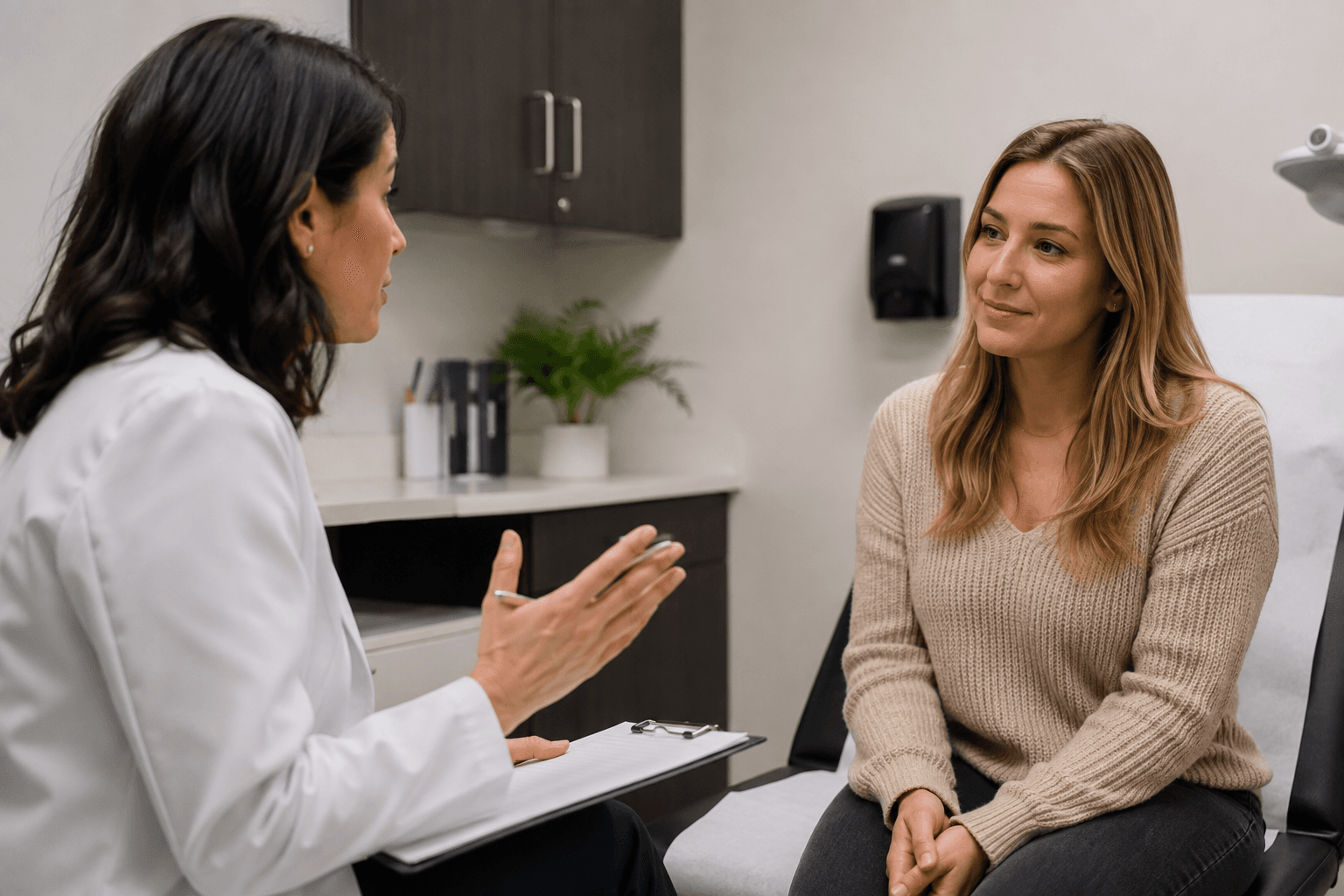
Pelvic floor exercises can improve bladder control for many women. If symptoms continue, a Health Care Provider can evaluate the problem and determine whether pelvic health physiotherapy or another treatment approach would be appropriate.
Early support can be valuable, particularly if symptoms are interfering with exercise, sleep, intimacy, or everyday activities.
When Should You Seek Pelvic Health Support?
Consider talking with your Health Care Provider if you experience:
- Persistent urinary leakage
- Bowel leakage
- Difficulty controlling gas
- Pelvic pressure or heaviness
- Vaginal bulging
- Persistent pelvic pain
- Pain during sex
- Difficulty emptying your bladder
- Difficulty emptying your bowel
- Symptoms that are getting worse rather than better
A pelvic health physiotherapist can assess muscle strength, coordination, relaxation, breathing, posture, and movement patterns.
Some women may need strengthening, while others may need help learning how to relax and coordinate the pelvic floor. This is why doing more exercises is not always the answer.
Pelvic Floor Recovery After a Cesarean Birth
A cesarean birth involves a different recovery process, but pregnancy can still affect the pelvic floor.
Gentle pelvic floor exercises may still be appropriate after a cesarean, although recovery should also account for the abdominal incision and overall surgical healing. NHS maternity guidance includes pelvic floor and gentle abdominal exercises among postpartum recovery activities following cesarean birth, with progression based on individual recovery.
Your maternity care team can guide you regarding lifting, abdominal exercise, wound recovery, and returning to more strenuous activity.
Give Your Body Time to Recover
One of the biggest challenges of postpartum recovery is the expectation that the body should quickly return to its previous shape and strength.
Pregnancy lasted months, and childbirth is a major physical event. Recovery also takes time.
Pelvic floor muscles may gradually regain strength over weeks and months with consistent exercise. Some women recover without significant ongoing symptoms, while others need additional support.
There is no benefit in comparing your recovery with another mother's.
Your body deserves patience.
Pelvic Floor Care as Part of Postpartum Wellness
Postpartum care should involve much more than checking whether the baby is feeding and growing well. The mother's physical recovery matters too.
A comprehensive postpartum plan can include:
- Pelvic floor recovery
- Nutrition
- Breastfeeding support
- Sleep and rest strategies
- Emotional wellbeing
- Birth recovery
- Core rehabilitation
- Contraception and reproductive health
- Gradual return to exercise
- Ongoing women's wellness care
At Clinique Molière in Brea, California, Birth & Postpartum Care includes postpartum checkups, breastfeeding support, emotional support, home visits, and new-parent education. This type of continued support can help mothers navigate the transition from pregnancy into early parenthood.
Rebuilding Strength With Patience and Support
Pelvic floor recovery after childbirth is not about getting your “old body” back as quickly as possible. It is about helping your body heal and gradually rebuilding strength, coordination, mobility, and confidence. Gentle pelvic floor exercises, appropriate movement, good nutrition, adequate rest, and professional guidance when needed can all become part of that process. Most importantly, persistent leakage, pelvic pressure, pain, or other uncomfortable symptoms deserve attention rather than being dismissed as something every new mother simply has to live with. If you are recovering from childbirth and want guidance that considers your whole postpartum experience, connect with a trusted Holistic Care Provider or Health Care Provider who can help you understand your recovery and create a personalized plan for your needs. Clinique Molière, Brea, CA | (714) 948-5655 — give yourself the time, support, and compassionate care you deserve as your body heals and you step into motherhood.