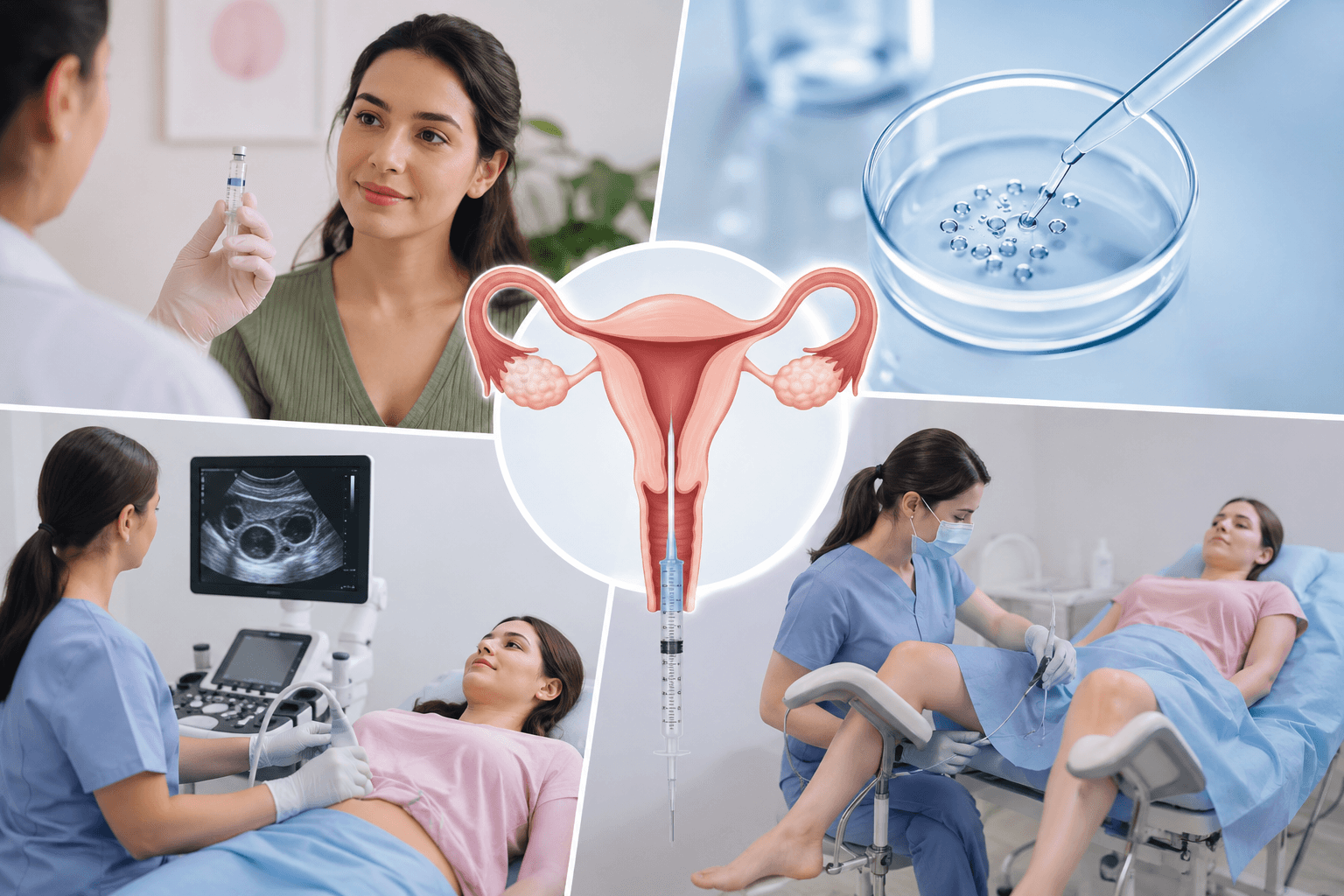

For many individuals and couples hoping to grow their family, fertility treatment can feel both exciting and overwhelming. One of the most common and least invasive fertility treatments is Intrauterine Insemination (IUI). Often recommended as an early treatment option for certain fertility challenges, IUI can increase the chances of pregnancy by helping sperm reach the egg more efficiently.
If your Health Care Provider has suggested IUI, you may have questions about how the procedure works, what to expect during treatment, and what factors influence its success. Understanding the process can help you approach treatment with realistic expectations and greater confidence.
For individuals and couples in Brea and throughout California, personalized fertility care, evidence-based guidance, and emotional support can make the fertility journey feel more informed and less stressful.
What Is IUI?
Intrauterine Insemination (IUI) is a fertility treatment in which specially prepared sperm is placed directly into the uterus around the time of ovulation.
Normally, sperm must travel through the cervix and uterus before reaching the fallopian tubes, where fertilization typically occurs. IUI shortens this journey by placing a concentrated sample of healthy sperm closer to the egg, increasing the likelihood that fertilization will occur naturally inside the body.
Unlike In Vitro Fertilization (IVF), fertilization during IUI still takes place within the fallopian tube rather than in a laboratory.
Who May Benefit From IUI?
IUI may be recommended for individuals or couples experiencing certain fertility challenges, including:
- Mild male factor infertility
- Ovulation disorders
- Cervical factor infertility
- Unexplained infertility
- The use of donor sperm
- Certain same-sex couples or single individuals pursuing pregnancy
IUI is not appropriate for every fertility condition. Women with blocked fallopian tubes or some severe fertility issues may require other treatment options.
The IUI Process Step by Step
Understanding each stage of treatment can help reduce anxiety and prepare you for what lies ahead.
Step 1: Initial Fertility Evaluation
Before recommending IUI, your provider will typically perform a comprehensive fertility assessment.
This may include:
- Medical history review
- Hormone testing
- Ovulation evaluation
- Imaging to assess the uterus and fallopian tubes
- Semen analysis
- Discussion of previous pregnancies or fertility treatments
This evaluation helps determine whether IUI is an appropriate option.
Step 2: Ovulation Monitoring
Timing is one of the most important factors in IUI success.
Ovulation may be monitored through:
- Ultrasound examinations
- Blood tests
- Ovulation predictor kits
- Fertility medications when appropriate
Some women undergo IUI during a natural cycle, while others receive medications to encourage the development of one or more mature eggs.
Step 3: Preparing the Sperm Sample
On the day of the procedure, the sperm sample undergoes a process known as sperm washing.
This laboratory technique:
- Removes seminal fluid
- Concentrates healthy, motile sperm
- Eliminates debris and non-moving sperm
The result is a concentrated sample designed for insemination.
Step 4: The Insemination Procedure
The IUI procedure itself is usually brief and performed in a medical office.
During the procedure:
- A thin catheter is gently inserted through the cervix.
- The prepared sperm sample is placed directly into the uterus.
- The catheter is removed.
Most women describe the procedure as causing minimal discomfort, though some may experience mild cramping.
The appointment often lasts only a short time, and many individuals can return to normal daily activities afterward.
What Happens After IUI?
After the procedure, fertilization—if it occurs—takes place naturally inside the body.
The fertilized egg travels to the uterus, where implantation may occur several days later.
Most providers recommend waiting approximately two weeks before taking a pregnancy test.
This period is commonly referred to as the "two-week wait" and can be emotionally challenging for many individuals and couples.
What Are the Success Rates?
Success rates vary considerably and depend on several factors, including:
- Maternal age
- Cause of infertility
- Egg quality
- Sperm quality
- Ovulation timing
- Overall reproductive health
In general, pregnancy rates per IUI cycle are often lower than those achieved with IVF because fertilization still depends on natural processes within the body.
Some couples achieve pregnancy after one cycle, while others may require multiple attempts. Your fertility specialist can provide a more personalized estimate based on your specific circumstances.
Factors That May Influence Success
Several factors can affect the likelihood of pregnancy through IUI.
Age
Female fertility naturally declines with age, particularly after the mid-30s.
Ovulation Timing
Properly timing insemination around ovulation is one of the most important contributors to success.
Sperm Health
The number, movement, and quality of sperm play a significant role in fertilization.
Overall Reproductive Health
Conditions affecting the uterus, fallopian tubes, or ovaries may influence treatment outcomes.
Is IUI Painful?
Most women tolerate IUI well.
Some may experience:
- Mild cramping
- Temporary spotting
- Brief discomfort during catheter placement
Serious complications are uncommon, and recovery is typically quick.
If unusual pain, heavy bleeding, or signs of infection occur after the procedure, patients should contact their healthcare provider promptly.
Emotional Considerations During Fertility Treatment
Fertility treatment involves more than medical procedures.
Many individuals experience:
- Hope
- Anxiety
- Excitement
- Disappointment
- Emotional uncertainty
Acknowledging these emotions and seeking support from partners, loved ones, counselors, or support groups can make the journey more manageable.
Supporting Fertility Through Healthy Lifestyle Habits
While lifestyle changes cannot guarantee pregnancy, healthy habits may support overall reproductive health.
Your provider may recommend:
- Eating a balanced, nutrient-rich diet
- Maintaining regular physical activity
- Managing stress
- Prioritizing sleep
- Avoiding tobacco and excessive alcohol
- Following prescribed medications carefully
These habits support general health and may contribute to fertility treatment readiness.
When Might IVF Be Recommended Instead?
If IUI is unsuccessful after several treatment cycles, or if more complex fertility issues are identified, your provider may recommend In Vitro Fertilization (IVF).
IVF may offer higher pregnancy rates for some individuals, particularly when factors such as severe male infertility, blocked fallopian tubes, or advanced maternal age are present.
The choice between IUI and IVF should always be based on an individualized fertility evaluation and shared decision-making with your healthcare team.
Taking the Next Step Toward Parenthood
Beginning fertility treatment is a deeply personal decision, and every journey is unique. IUI offers many individuals and couples a less invasive option that may improve the chances of pregnancy while preserving the body's natural fertilization process. Although success cannot be guaranteed, understanding the procedure, setting realistic expectations, and working closely with an experienced care team can help you move forward with confidence.
Your path to parenthood deserves compassionate, personalized care. Work with a trusted Holistic Care Provider or Health Care Provider to understand your fertility options and develop a treatment plan tailored to your unique needs. Clinique Molière, Brea, CA | (714) 948-5655 — and receive comprehensive fertility guidance designed to support your reproductive health, answer your questions, and help you pursue your family-building goals with knowledge, hope, and expert care.