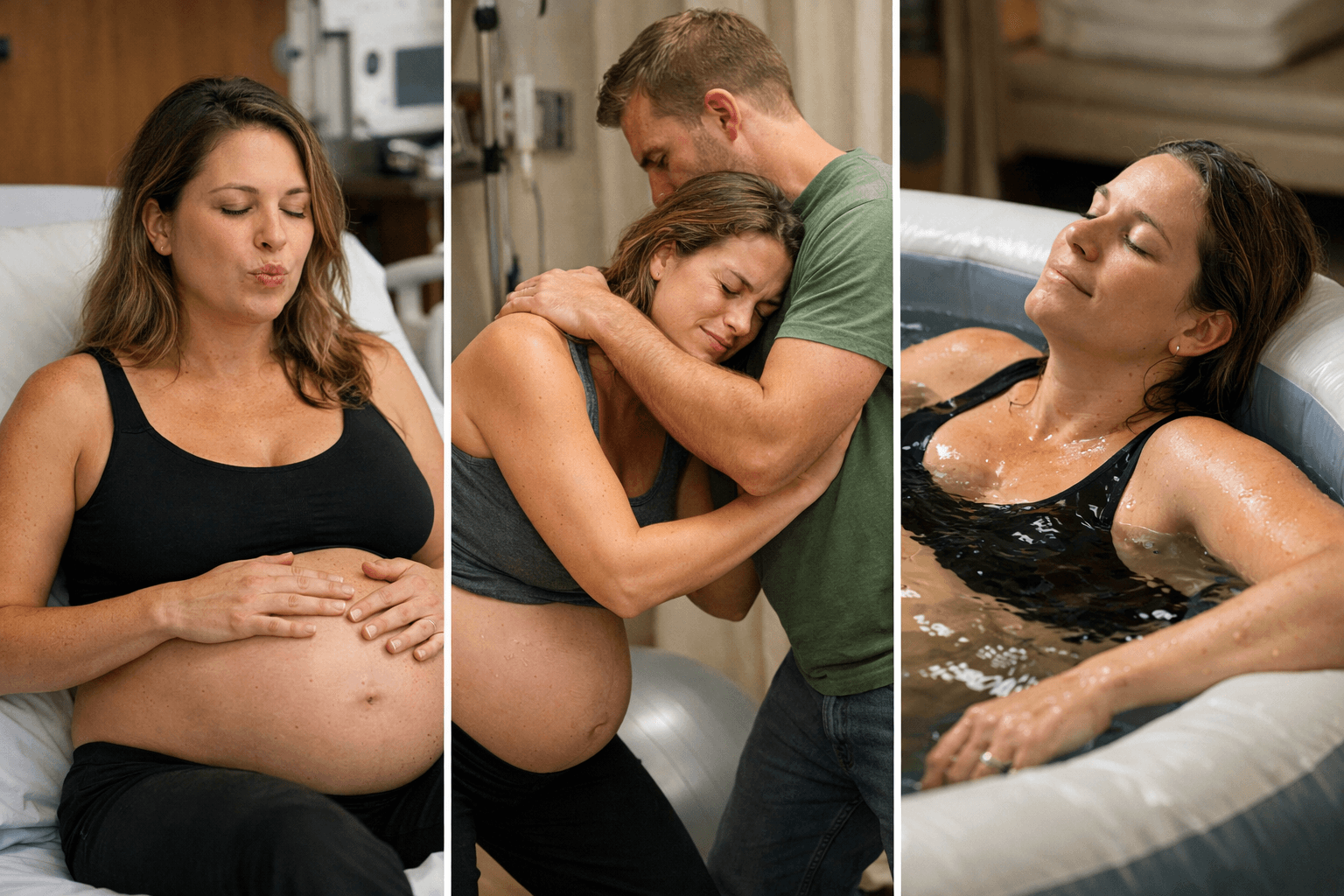

Preparing for childbirth can feel exciting, overwhelming, and sometimes confusing. With countless pregnancy websites, videos, discussion forums, and social media posts available online, expectant parents can find answers to almost any question within seconds. However, knowing where to find information is not always the same as knowing how to apply it during labor and delivery.
Both online research and structured childbirth classes can play valuable roles in pregnancy preparation. Online resources make information accessible at any time, while guided childbirth education provides opportunities to ask questions, practise coping techniques, discuss different birth scenarios, and prepare alongside a knowledgeable educator.
For families planning their birth experience, understanding the differences between these approaches can help them make informed decisions and feel better prepared for the transition into parenthood.
1. Online Research Provides Convenience, but Context Matters
Online research can be an excellent starting point for learning about pregnancy, labor, delivery, and newborn care. Expectant parents can explore topics at their own pace, revisit information when needed, and learn about experiences that other families have shared.
Searching online can help you understand subjects such as:
- The stages of labor and common physical changes.
- Different approaches to labor pain management.
- Birth plans and common maternity care interventions.
- Breastfeeding basics and newborn feeding cues.
- Recovery during the postpartum period.
- Questions to discuss with your Health Care Provider.
The challenge is that not every online source provides accurate, complete, or individualized information. Personal birth stories can be helpful, but another person's experience does not necessarily predict your own. Social media posts may also present medical decisions as universally right or wrong, even when the appropriate choice depends on individual circumstances.
When researching pregnancy, prioritize reputable health organizations, evidence-based educational resources, and information reviewed by qualified professionals. Discuss anything concerning or unclear with your maternity care team rather than relying on online advice alone.
Online learning is most useful when it supports informed conversations instead of replacing individualized maternity care.
2. Childbirth Classes Turn Information Into Practical Skills
One of the main differences between independent research and guided childbirth education is the opportunity to practise what you learn.
Reading about breathing techniques, for example, can explain how controlled breathing may help you cope with contractions. A childbirth class can give you an opportunity to practise those techniques, recognize when you are holding tension, and explore different ways to relax.
Depending on the program, childbirth classes may cover:
- The physical and emotional stages of labor.
- Breathing, relaxation, massage, and comfort measures.
- Medical and nonmedical pain relief options.
- Positions and movement that may support comfort during labor.
- Birth planning and informed decision-making.
- Common interventions and possible changes to birth plans.
- Breastfeeding, newborn care, and early postpartum recovery.
Guided sessions also allow participants to ask follow-up questions and clarify information that may otherwise be misunderstood.
A systematic review published in 2025 examined randomized controlled trials of antenatal education. It found associations between some educational approaches and outcomes such as fewer planned cesarean births and more vaginal births, although results varied by outcome and the type of education provided. These findings support the potential value of structured preparation but do not guarantee a particular birth outcome for any individual. Read the systematic review on antenatal education and birth outcomes.
3. Guided Preparation Can Help Address Fear and Uncertainty
It is natural to have questions about childbirth, especially if you are preparing for your first baby or have experienced a difficult birth previously. You may wonder how contractions will feel, what happens if labor progresses differently than expected, or how you will make decisions when you are tired or uncomfortable.
Online research can introduce you to these topics, but repeatedly reading different accounts may sometimes increase uncertainty rather than resolve it.
A supportive childbirth class offers a more organized way to explore common concerns. An educator can explain what is generally expected, distinguish common experiences from warning signs, and help you identify questions that deserve individual discussion with your Health Care Provider.
Guided preparation may help you:
- Develop realistic expectations about labor and delivery.
- Understand that different birth experiences can be valid.
- Explore coping strategies before you need to use them.
- Learn about available pain relief and support options.
- Identify your personal concerns and preferences.
- Prepare for unexpected changes without viewing them as personal failures.
Evidence concerning the psychological benefits of antenatal education varies across programs and studies. The purpose of a good class is not to promise a fear-free birth, but to provide useful knowledge, supportive discussion, and practical preparation that can help you approach childbirth with greater understanding.
4. Your Birth Partner Can Learn How to Support You
Childbirth preparation is not only about the person giving birth. Partners and other support people can also benefit from understanding labor and postpartum needs.
A partner may genuinely want to help but feel uncertain about what to do during contractions, how to offer reassurance, or when to contact the maternity care team. Guided education can turn good intentions into practical support.
Depending on the class, partners may learn how to:
- Offer massage or counter-pressure when appropriate.
- Encourage breathing and relaxation techniques.
- Help with position changes and comfort measures.
- Listen respectfully and support informed choices.
- Recognize when professional guidance is needed.
- Prepare for newborn care and the early postpartum period.
These skills can encourage teamwork and help partners feel more involved in preparation for birth.
Classes can also provide an opportunity to discuss preferences before labor begins. Partners can talk about the types of encouragement that feel helpful, the role they would like to play, and how to respond if plans change.
Importantly, a support person's role is not to make medical decisions on someone else's behalf. It is to offer encouragement, help communicate preferences, and support the birthing person's autonomy.
5. Guided Classes Help You Prepare for More Than Labor
Childbirth preparation is often associated with the day of delivery, but the transition into parenthood continues long after the baby arrives.
A comprehensive prenatal education program may also address breastfeeding, newborn behavior, feeding cues, sleep expectations, postpartum recovery, and emotional wellbeing. Understanding these topics beforehand can help families identify questions and arrange support before they feel overwhelmed.
For example, learning about breastfeeding before birth may help parents understand early feeding patterns and when to seek lactation support. Discussing postpartum recovery can encourage families to plan meals, household assistance, rest, and follow-up care.
Preparation should also include recognizing when professional help is needed. Families should know how to contact their maternity care team about concerning pregnancy symptoms, postpartum complications, feeding difficulties, or emotional distress.
No single class can cover every possible situation. However, guided education can help parents understand the basics, identify reliable sources, and know where to turn for further support.
6. How to Choose the Right Childbirth Preparation Approach
You do not necessarily have to choose between childbirth classes and online research. For many families, combining the two provides a practical balance.
Use online resources to explore topics, review trusted educational materials, and prepare questions. Then consider a structured class where you can discuss those questions, practise useful skills, and learn how different options may apply to your circumstances.
When evaluating a childbirth class, consider the following:
Evidence-based information: Does the program explain the benefits, limitations, and risks of different birth and pain management options without promoting one approach as right for everyone?
Qualified educators: Are instructors appropriately trained for the subjects they teach, and do they explain when individualized clinical advice is necessary?
Practical learning: Does the class offer opportunities to practise comfort techniques, discuss birth preferences, or learn newborn care?
Inclusive and respectful teaching: Does the program respect different family structures, cultural backgrounds, personal preferences, and birth experiences?
Postpartum preparation: Does the curriculum address recovery, feeding, emotional wellbeing, and the support families may need after delivery?
Convenient format: Would in-person sessions, online classes, or a combination of formats best suit your schedule and learning preferences?
Ask about class content, session length, cost, and whether partners can attend before enrolling. Choose an approach that helps you feel informed without creating unrealistic expectations about how your birth must unfold.
Building Confidence Through Knowledge and Support
Online research can make pregnancy information easier to access, but childbirth preparation involves more than collecting facts. Understanding your options, practising coping strategies, involving your support person, and knowing when to seek professional guidance can all contribute to a more informed approach to birth.
The best preparation is flexible, respectful, and grounded in reliable information. Whether your plans involve a birth center, hospital, or another appropriate setting, education should help you understand your choices rather than pressure you toward a particular outcome. If you are preparing for childbirth and want to explore guided prenatal education, childbirth classes, and supportive maternity services, contact Clinique Molière in Brea, CA, at (714) 948-5655 to learn about available options and take your next step toward informed, confident birth preparation.