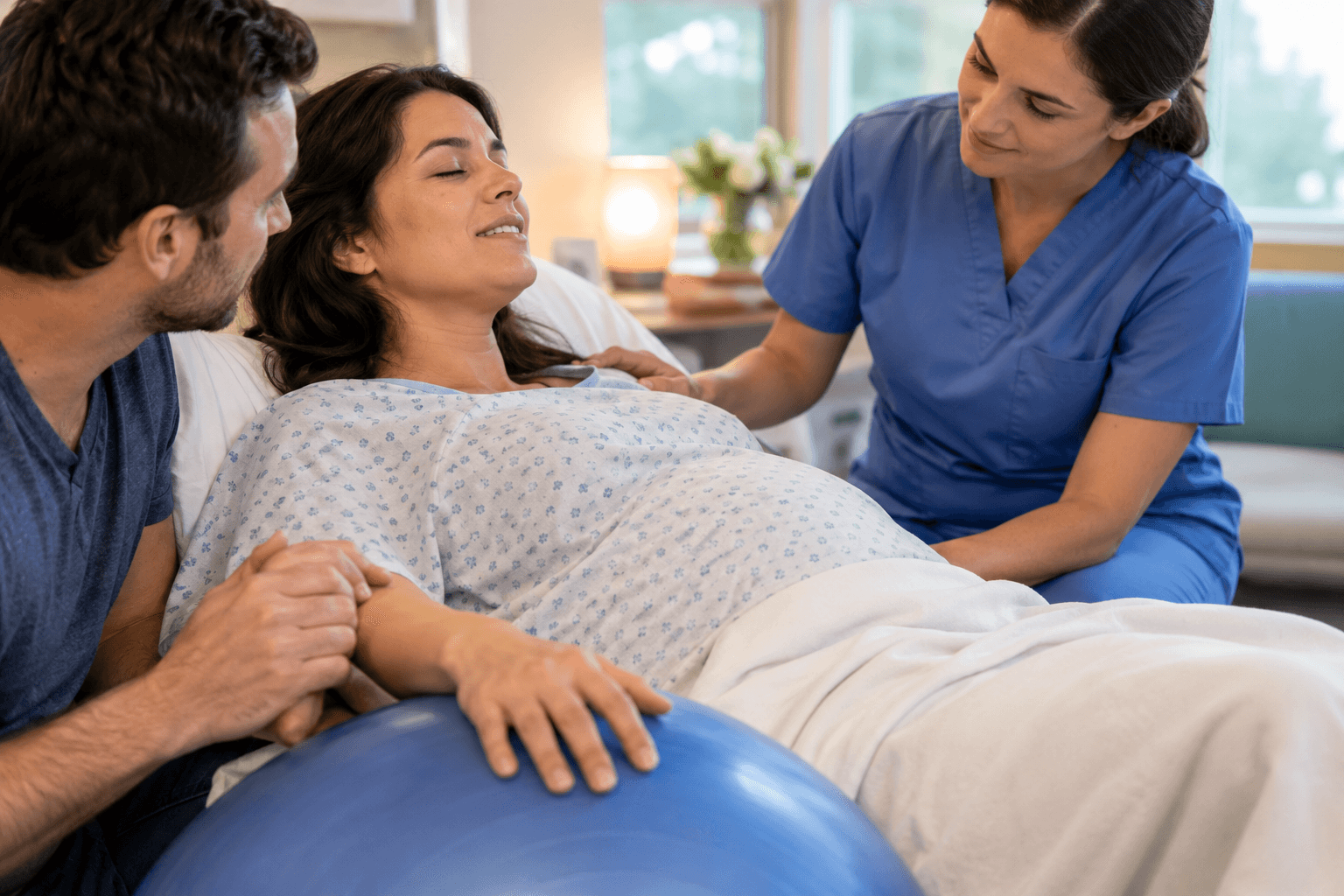

Pregnancy is often associated with gentle walks, stretching routines, and prenatal yoga classes. While these activities can be incredibly beneficial, an increasing number of healthcare and fitness professionals are recognizing the value of appropriately guided strength training during pregnancy. Far from being unsafe for most healthy pregnancies, prenatal strength training can help women build the endurance, stability, and body awareness needed for labor, delivery, and postpartum recovery.
Many expectant mothers are surprised to learn that labor is often compared to an endurance event. It requires stamina, physical resilience, controlled breathing, and the ability to work with the body's natural processes for hours—and sometimes longer. Building strength before birth may help women feel more prepared for the physical demands of labor while supporting overall pregnancy wellness.
For families in Brea and throughout California, understanding the role of prenatal strength training can provide another valuable tool for preparing for childbirth with confidence.
Why Labor Is a Physical Event
Labor is not simply something that happens to the body—it is something the body actively performs.
Throughout labor, the body relies on:
- Muscular endurance
- Pelvic stability
- Core support
- Controlled breathing
- Physical stamina
- Coordinated movement
Just as athletes prepare for a marathon or endurance challenge, pregnant women can benefit from conditioning that supports the demands of childbirth.
What Is Prenatal Strength Training?
Prenatal strength training involves exercises designed to safely maintain or improve muscular strength during pregnancy.
Depending on individual needs and provider recommendations, this may include:
- Bodyweight exercises
- Resistance bands
- Light dumbbells
- Functional movement patterns
- Stability exercises
- Pelvic floor awareness training
The goal is not maximum strength or intense bodybuilding. Instead, the focus is building functional strength that supports daily life, pregnancy, labor, and recovery.
Can Strength Training Lead to a Shorter Labor?
No exercise program can guarantee a specific labor length. Every birth experience is unique and influenced by many factors.
However, strength training may help support:
- Better physical endurance during labor
- Improved ability to change positions
- Enhanced muscular efficiency
- Reduced fatigue during prolonged labor
- Greater body awareness and movement confidence
These factors may contribute to a smoother and more efficient labor experience for some women.
Rather than promising a shorter labor, it is more accurate to say that strength training can help prepare the body to meet labor's physical demands more effectively.
Supporting Core Stability During Pregnancy
The core plays a critical role throughout pregnancy and childbirth.
A strong and functional core may help:
- Improve posture
- Reduce back discomfort
- Support balance
- Enhance movement efficiency
- Assist with pushing efforts during birth
Prenatal core training differs from traditional abdominal workouts. It focuses on stability, breathing, and coordination rather than intense abdominal exercises.
The Importance of Lower Body Strength
The muscles of the hips, glutes, thighs, and pelvis are heavily involved during labor.
Strengthening these areas may help women:
- Maintain labor positions more comfortably
- Improve mobility during childbirth
- Support pelvic stability
- Reduce physical fatigue
Functional exercises such as squats, modified lunges, and supported lower-body movements are commonly included in prenatal fitness programs.
Endurance Matters as Much as Strength
Labor often requires sustained effort over many hours.
Strength training can help build muscular endurance, allowing mothers to:
- Maintain energy longer
- Move more comfortably
- Adapt to changing labor positions
- Recover more effectively between contractions
Endurance is often one of the most overlooked components of birth preparation.
Improving Body Awareness
One major benefit of prenatal exercise is learning how to connect with the body's signals.
Strength training encourages women to become more aware of:
- Breathing patterns
- Posture
- Muscle engagement
- Movement mechanics
- Physical limitations
This body awareness can be extremely valuable during labor when position changes and movement often influence comfort and progress.
Supporting Pelvic Floor Function
The pelvic floor plays an important role throughout pregnancy, labor, and postpartum recovery.
Contrary to common misconceptions, pelvic floor preparation is not simply about tightening muscles.
Healthy pelvic floor function involves:
- Strength
- Flexibility
- Coordination
- Relaxation when needed
Balanced prenatal exercise programs often include education on both engagement and release of pelvic floor muscles.
Mental Benefits of Strength Training
Physical preparation often creates psychological benefits as well.
Many women report that regular exercise helps:
- Reduce stress
- Improve confidence
- Increase emotional resilience
- Support better sleep
- Enhance overall wellbeing
Feeling physically capable can positively influence how women approach labor and childbirth.
Safety Considerations During Pregnancy
Every pregnancy is different, which is why personalized guidance is essential.
Women should consult a trusted Health Care Provider or Holistic Care Provider before beginning or modifying an exercise routine.
General principles often include:
- Avoiding overexertion
- Staying hydrated
- Listening to the body's signals
- Using proper form
- Modifying exercises as pregnancy progresses
The goal is safe and sustainable movement, not pushing physical limits.
Strength Beyond Delivery Day
The benefits of prenatal strength training often continue into the postpartum period.
Strong muscles may help support:
- Recovery after birth
- Lifting and carrying the baby
- Improved posture during feeding
- Daily parenting activities
- Overall physical resilience
Preparation during pregnancy can provide lasting benefits long after labor ends.
Building Confidence for the Birth Journey
While no workout can guarantee a perfect birth experience, strength training can help women feel more physically prepared, mentally resilient, and confident in their body's abilities. Labor requires endurance, adaptability, and trust in the body's natural capacity to work through challenges. Building functional strength during pregnancy is one way to support that process.
Birth is not about athletic performance—it is about preparation, confidence, and creating the best possible foundation for both mother and baby.
Your pregnancy is a time of growth, strength, and transformation. Work with a trusted Holistic Care Provider or Health Care Provider to create a wellness plan that supports your physical, emotional, and prenatal health goals. Clinique Molière, Brea, CA | 714-948-5655 — offers compassionate, holistic maternity care designed to help you prepare for labor, support a healthy pregnancy, and approach childbirth with confidence, balance, and strength.