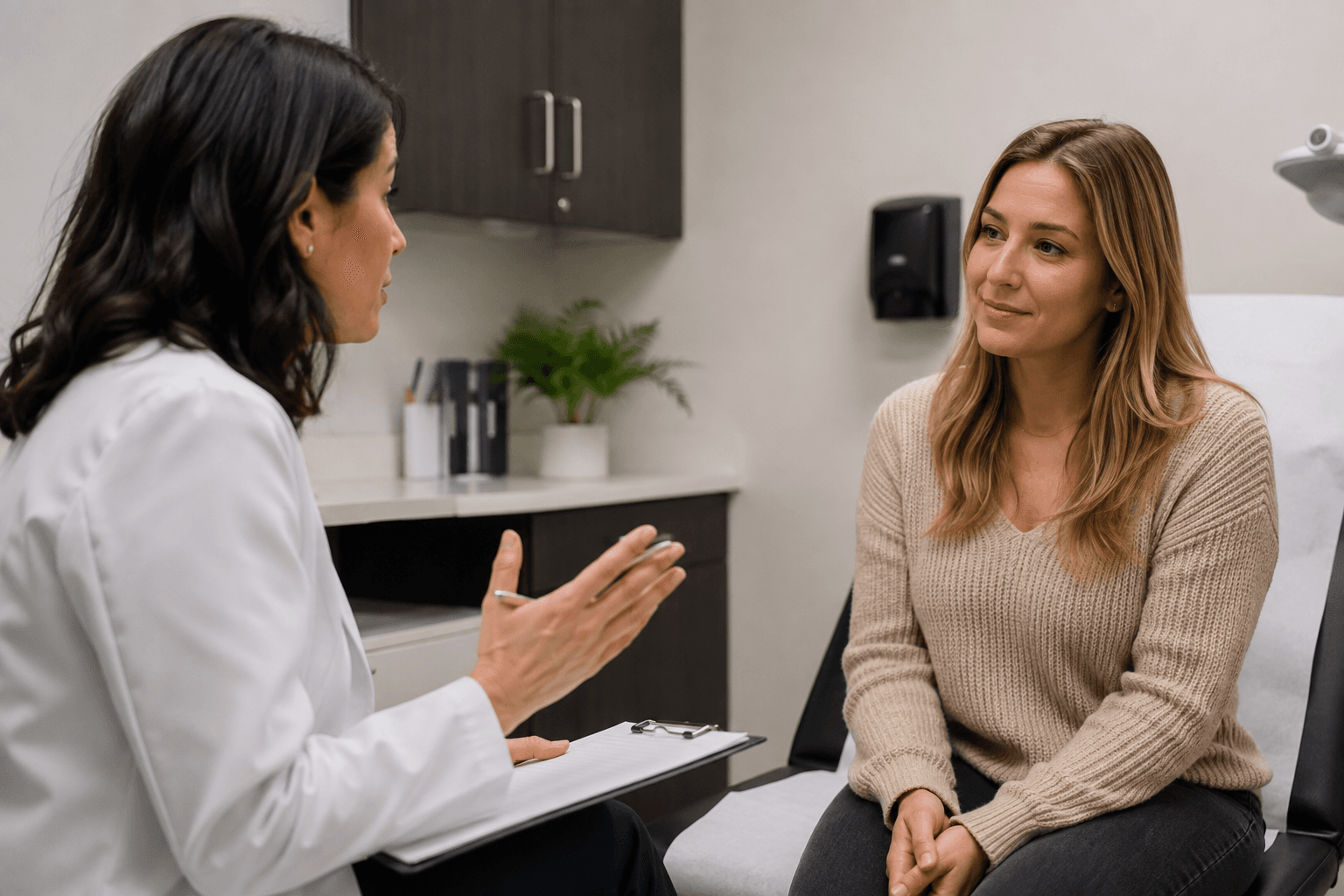

Women’s health changes continuously throughout life. From adolescence and reproductive years to pregnancy, postpartum recovery, perimenopause, menopause, and healthy aging, each stage brings different physical, hormonal, emotional, and preventive health needs.
That is why having a trusted Primary Care Provider can be an important part of lifelong wellness. Primary care is not only about visiting a health care professional when you feel sick. It is also about prevention, routine screenings, health education, early identification of concerns, and creating a long-term understanding of your individual health.
The U.S. Office on Women’s Health emphasizes that routine care, screenings, vaccinations, healthy lifestyle habits, and finding a Primary Care Provider are important components of maintaining health.
For women in Brea, California, establishing an ongoing relationship with a trusted Health Care Provider can make preventive care more organized, personalized, and easier to navigate.
What Is a Primary Care Provider?
A Primary Care Provider is a health care professional who can serve as a central point of contact for many of your everyday and long-term health needs.
Instead of treating every health concern as an isolated event, primary care can help create continuity. Your provider can become familiar with your health history, medications, lifestyle, family history, reproductive goals, and changing health needs.
Depending on your individual circumstances, primary care may include:
- Routine wellness visits
- Preventive health screenings
- Blood pressure monitoring
- Cholesterol and diabetes risk assessment
- Vaccination discussions
- Reproductive and sexual health conversations
- Mental and emotional wellness screening
- Nutrition and lifestyle guidance
- Family planning and preconception counseling
- Management of ongoing health conditions
- Referrals or coordination with other specialists when needed
The specific services and frequency of visits should be determined according to your age, health history, risk factors, and individual needs.
1. Preventive Care Helps You Stay Ahead of Health Concerns
One of the most important reasons to establish a primary care relationship is prevention.
Some health conditions can develop gradually without obvious symptoms. Routine visits provide opportunities to review risk factors, discuss changes in your health, and determine which screenings or preventive services may be appropriate.
The Office on Women’s Health notes that routine checkups, screenings, and vaccinations can help identify health concerns earlier and support ongoing wellness.
Preventive care may include discussions about:
- Blood pressure
- Cholesterol
- Blood sugar and diabetes risk
- Breast health
- Cervical cancer screening
- Sexual health
- Vaccinations
- Mental wellbeing
- Nutrition and physical activity
- Family medical history
Not every woman needs the same tests at the same age. Your Health Care Provider can help determine which recommendations apply to your personal situation.
2. Your Health Needs Change With Age
A woman’s healthcare needs at 25 can be very different from those at 45 or 65.
During the reproductive years, conversations may focus on menstrual health, contraception, fertility, pregnancy planning, nutrition, and sexual health. Later, preventive care may increasingly include cardiovascular health, metabolic health, bone health, menopause symptoms, and healthy aging.
The Office on Women’s Health provides age-based guidance that includes different screening and health discussions across the 20s, 30s, 40s, 50s, and beyond.
Having a consistent provider can make these transitions easier because your care can evolve as your circumstances change.
3. Primary Care Supports Women Beyond Reproductive Health
Women's healthcare is sometimes associated primarily with pregnancy, contraception, or gynecological concerns. While these areas are important, women also need comprehensive care for their overall physical and emotional wellbeing.
A Primary Care Provider can help address health concerns involving areas such as:
- Heart health
- Metabolic health
- Sleep
- Nutrition
- Mental wellbeing
- Bone health
- Weight changes
- Chronic conditions
- Preventive screenings
- Healthy aging
A holistic approach recognizes that these areas can be interconnected.
For example, changes in sleep, stress, nutrition, movement, and hormonal health may all influence how a woman feels and functions. Looking at the bigger picture can help create a more complete approach to wellness.
4. Reproductive and Preconception Health Matter Too
Even if pregnancy is not currently part of your plans, reproductive health can remain an important part of primary and preventive care.
For women who are considering pregnancy, preconception care can help identify health conditions, medications, lifestyle factors, nutritional needs, and other considerations that may affect pregnancy.
The Office on Women’s Health recommends discussing existing health conditions, medications and supplements, vaccinations, nutrition, family history, and other factors before pregnancy.
This means preconception health does not begin with a positive pregnancy test. Preparing your health beforehand can be an important part of planning for pregnancy.
5. Preventive Screenings Should Not Be Overlooked
Routine screening recommendations change according to age, personal history, family history, and risk factors.
For example, cervical cancer screening is an important component of preventive women's healthcare. Current Office on Women’s Health guidance states that most women ages 21 to 65 need routine cervical cancer screening, although the specific testing method and interval can vary by age and individual circumstances.
Breast cancer screening is another important consideration. The U.S. Preventive Services Task Force recommends biennial mammography for women ages 40 to 74 at average risk. Individual recommendations can differ for women with certain personal or genetic risk factors.
Your Health Care Provider can help you understand which screenings are appropriate for you rather than relying on a one-size-fits-all schedule.
6. Mental and Emotional Wellness Belong in Primary Care
Physical health and emotional wellbeing are closely connected.
Stress, anxiety, sleep difficulties, emotional exhaustion, relationship concerns, and other mental health challenges can affect everyday quality of life. These concerns deserve to be discussed as part of comprehensive healthcare rather than being treated as something women simply have to manage alone.
A trusted Health Care Provider can create space for these conversations and, when appropriate, recommend additional support or referrals.
The goal is not simply to address problems after they become overwhelming. Regular healthcare visits can create opportunities to talk about changes in how you feel before they begin interfering significantly with daily life.
7. A Long-Term Relationship Can Improve Continuity of Care
Healthcare can become complicated when every appointment starts from the beginning.
A long-term relationship with a Primary Care Provider can provide greater continuity. Over time, your provider may become familiar with your:
- Personal health history
- Family health history
- Previous test results
- Medications and supplements
- Lifestyle habits
- Reproductive goals
- Menstrual or hormonal changes
- Previous pregnancies
- Long-term health concerns
This background can help make future conversations more informed and personalized.
The relationship also works both ways. Women should feel comfortable asking questions, discussing concerns, understanding recommendations, and participating in decisions about their care.
8. Choosing a Women's Health-Focused Primary Care Provider
When choosing a Primary Care Provider, consider more than location or appointment availability.
Look for a care environment where you feel comfortable discussing sensitive subjects and asking questions. Consider whether the provider takes time to understand your concerns, explains recommendations clearly, respects your preferences, and considers your overall wellbeing.
For women seeking a more integrated approach, a women's health clinic may offer several services within one care setting.
Clinique Molière in Brea provides Well-Woman Care that includes annual examinations and screenings, family planning and contraception, preconception counseling, menopause management, gynecological care, and mental health support.
Its broader model also integrates women's wellness, pregnancy, birth, postpartum support, breastfeeding, and other services, allowing care to extend across multiple stages of life.
Building a Healthier Future, One Visit at a Time
You do not need to wait until something feels wrong before paying attention to your health. Preventive care is an ongoing process that can help you understand your body, recognize changes, stay current with appropriate screenings, and make informed decisions as your needs evolve. Whether you are in your reproductive years, planning a pregnancy, navigating menopause, or focusing on healthy aging, having a trusted Primary Care Provider can give you a consistent foundation for lifelong wellness. Your health deserves care that sees the whole person, not just a single symptom. Work with a trusted Holistic Care Provider or Health Care Provider to create a personalized wellness plan that supports your physical, emotional, reproductive, and long-term health. Clinique Molière, Brea, CA | (714) 948-5655 — take the next step toward compassionate, comprehensive women's healthcare and make preventive wellness part of your lifelong health journey.