
Polycystic Ovary Syndrome (PCOS) is one of the most common hormonal conditions affecting women in their reproductive years. For women in their 30s, managing PCOS while thinking about fertility can feel overwhelming. Hormonal imbalances, irregular cycles, and metabolic challenges may create uncertainty—but with a holistic approach, it is possible to support both hormonal health and fertility in a natural, balanced way.
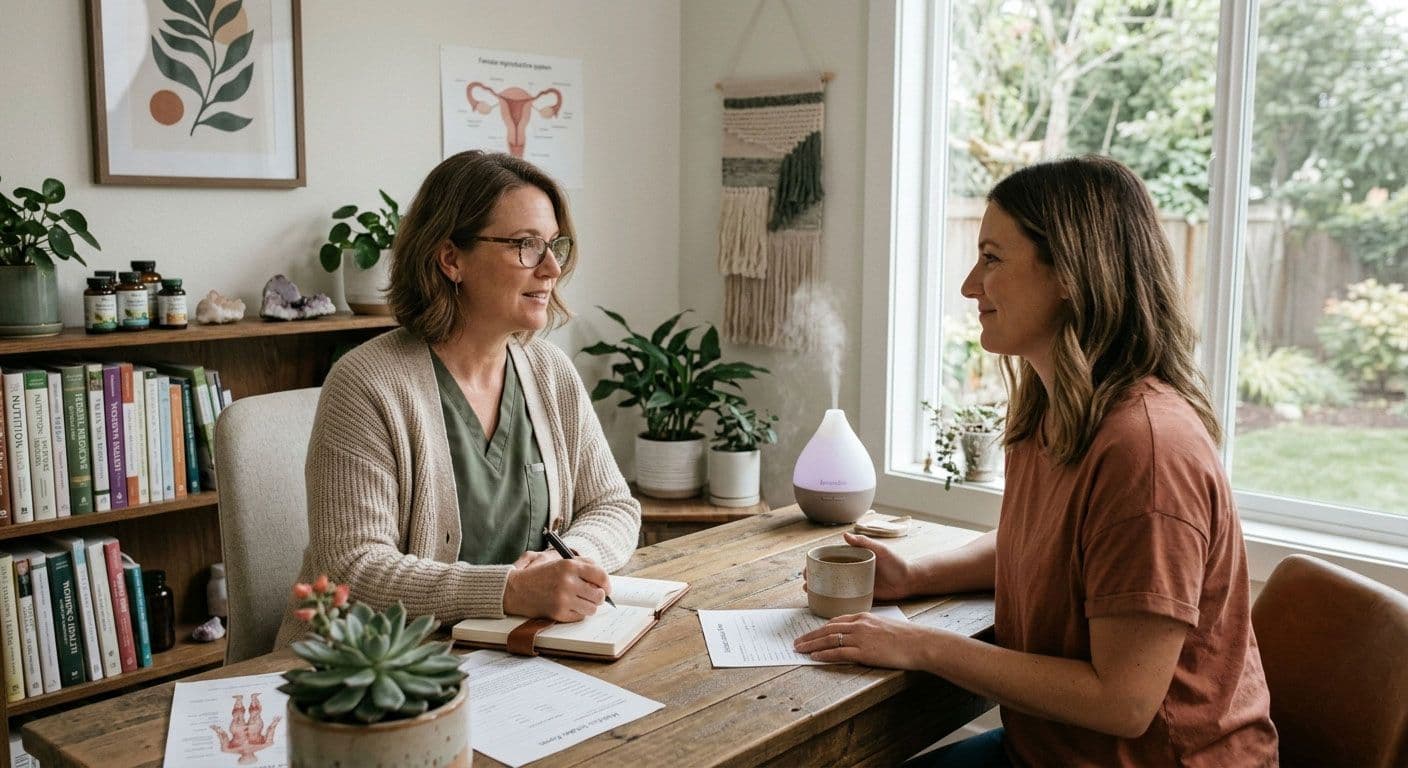
A holistic perspective focuses on the whole woman, not just the diagnosis. By addressing nutrition, lifestyle, emotional wellbeing, and personalized care, women can create a supportive environment for their bodies to function more optimally.
Understanding PCOS in Your 30s
PCOS affects how the ovaries function and is often associated with irregular ovulation, elevated androgen levels, and insulin resistance. While symptoms vary, many women experience:
- Irregular or absent menstrual cycles
- Difficulty with ovulation
- Weight fluctuations
- Fatigue or low energy
- Skin or hair changes
In your 30s, fertility naturally begins to shift, making it even more important to support hormonal balance and reproductive health proactively.
Why a Holistic Approach Matters
Traditional approaches often focus on symptom management alone. While this can be helpful, a holistic approach goes deeper—addressing root causes and supporting the body’s natural rhythms.
Holistic care for PCOS and fertility includes:
- Supporting hormonal balance
- Improving metabolic health
- Reducing inflammation
- Enhancing emotional wellbeing
- Creating sustainable lifestyle habits
This integrative approach empowers women to take an active role in their health journey.
Nutrition for Hormonal Balance
Nutrition plays a central role in managing PCOS and supporting fertility. Blood sugar balance is especially important, as insulin resistance is a common factor in PCOS.
A supportive nutritional approach includes:
Balanced Meals
Combining protein, healthy fats, and complex carbohydrates helps stabilize blood sugar levels and reduce hormonal fluctuations.
Whole, Nutrient-Dense Foods
Focusing on vegetables, fruits, whole grains, lean proteins, and healthy fats provides essential nutrients for reproductive health.
Anti-Inflammatory Choices
Foods rich in antioxidants—such as leafy greens, berries, nuts, and seeds—can help reduce inflammation.
Consistent Eating Patterns
Eating at regular intervals supports metabolic stability and energy levels.
Small, consistent changes in nutrition can have a significant impact over time.
The Role of Physical Activity
Regular movement supports insulin sensitivity, hormone regulation, and overall wellbeing. Exercise does not need to be intense to be effective.
Helpful forms of activity include:
- Walking
- Strength training
- Yoga or stretching
- Low-impact cardio
The goal is consistency rather than intensity. Gentle, regular movement helps the body respond more effectively to hormonal signals.
Managing Stress and Emotional Health
Stress has a direct impact on hormonal balance. Chronic stress can disrupt ovulation and affect overall fertility.
Holistic stress management techniques may include:
- Mindfulness or meditation
- Breathing exercises
- Journaling
- Spending time in nature
- Prioritizing rest and sleep
Supporting emotional wellbeing creates a more balanced internal environment for reproductive health.
Supporting Ovulation Naturally
For women with PCOS, ovulation may not occur regularly. A holistic approach aims to support the body’s natural ability to ovulate by addressing underlying imbalances.
This may involve:
- Stabilizing blood sugar levels
- Supporting thyroid and metabolic health
- Encouraging healthy sleep patterns
- Maintaining a balanced lifestyle
While every journey is unique, consistent care often leads to improved cycle regularity over time.
Personalized Care and Monitoring
Every woman’s experience with PCOS is different. Personalized care allows for tailored guidance based on individual symptoms, goals, and health history.
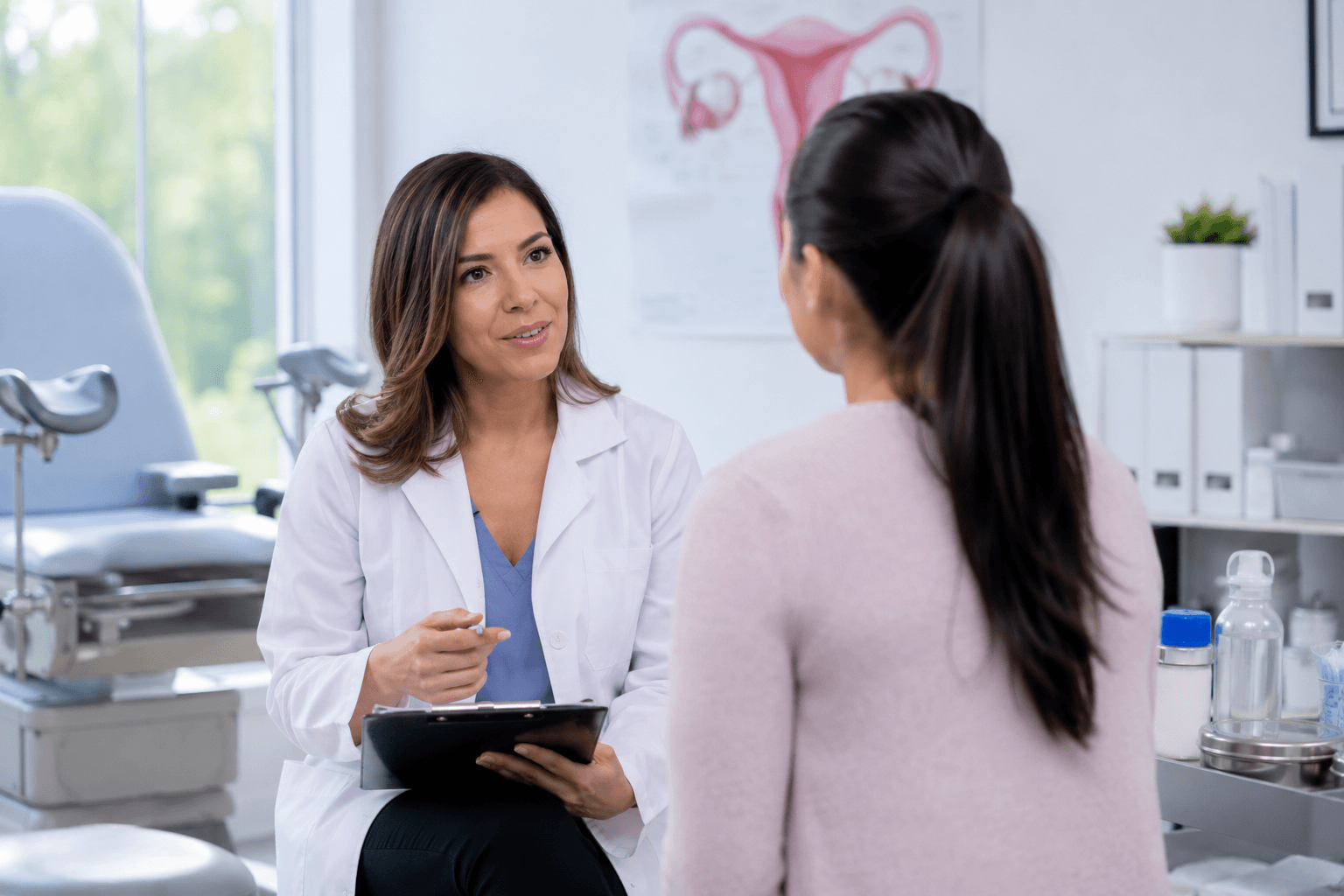
Working with a knowledgeable Health Care Provider or Holistic Care Provider can help you:
- Track hormonal patterns
- Understand your cycle
- Create a fertility-focused care plan
- Adjust strategies as needed
This individualized approach increases confidence and clarity throughout the journey.
Fertility in Your 30s: A Time for Empowerment
While fertility naturally changes with age, your 30s can still be a powerful time to support reproductive health. With the right combination of nutrition, lifestyle adjustments, and emotional care, many women successfully improve their fertility outcomes.
Focusing on overall wellness rather than just conception creates a healthier, more sustainable path forward.
Embracing a Balanced Fertility Journey
Living with PCOS does not mean giving up on your fertility goals. It means approaching your health with intention, patience, and a holistic mindset. By nurturing your body and addressing underlying imbalances, you can create the conditions needed for improved hormonal health and reproductive function.
Your journey is unique, and you deserve care that supports every aspect of your wellbeing. Your pregnancy is a time of growth, strength, and love. Don’t let stress take away your peace. Work with a trusted Holistic Care Provider or Health Care Provider to build confidence, balance, and well-being at every stage of your journey. Clinique Molière, Brea, CA | (714) 948-5655 — and move forward with clarity, support, and renewed hope for your fertility path.