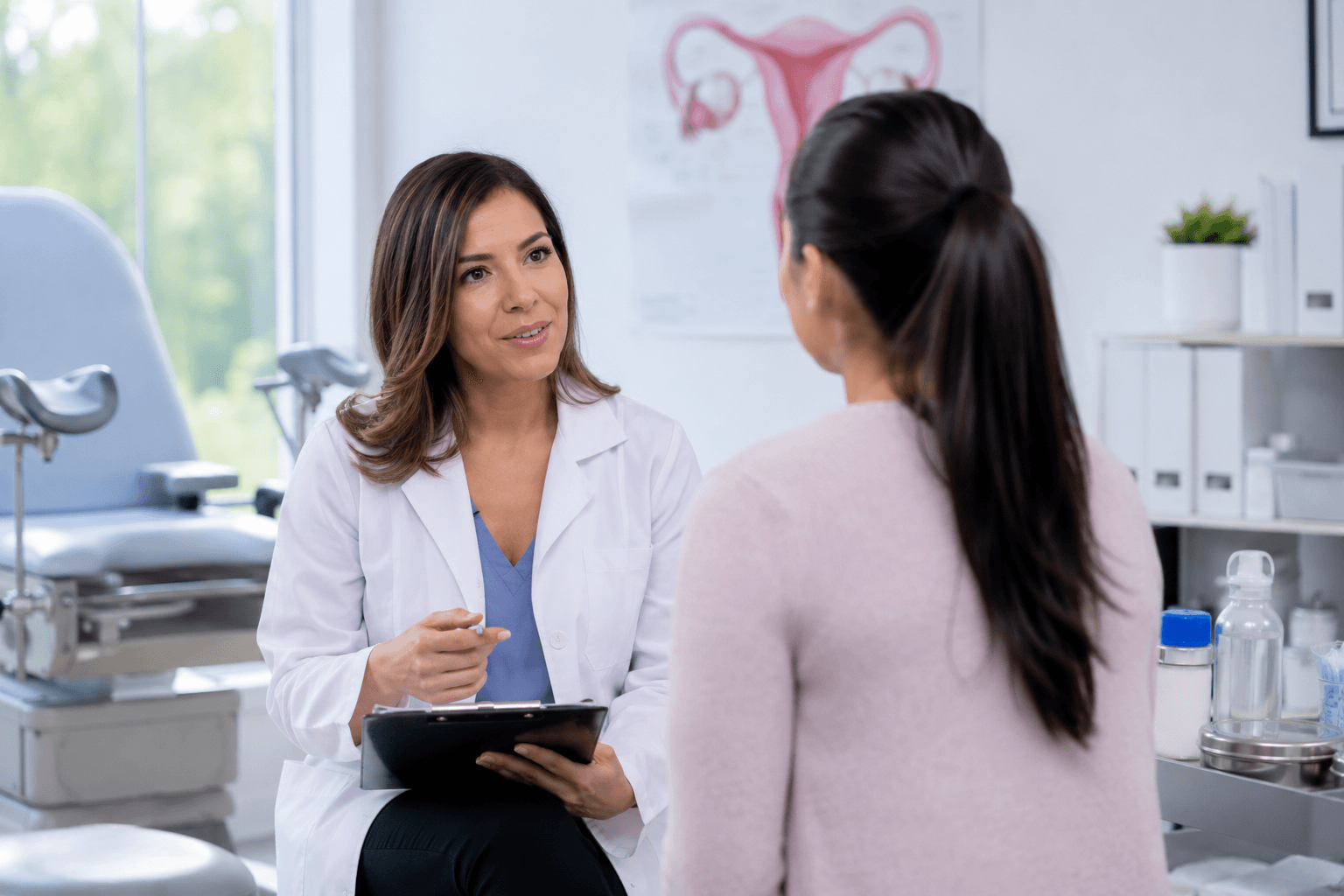
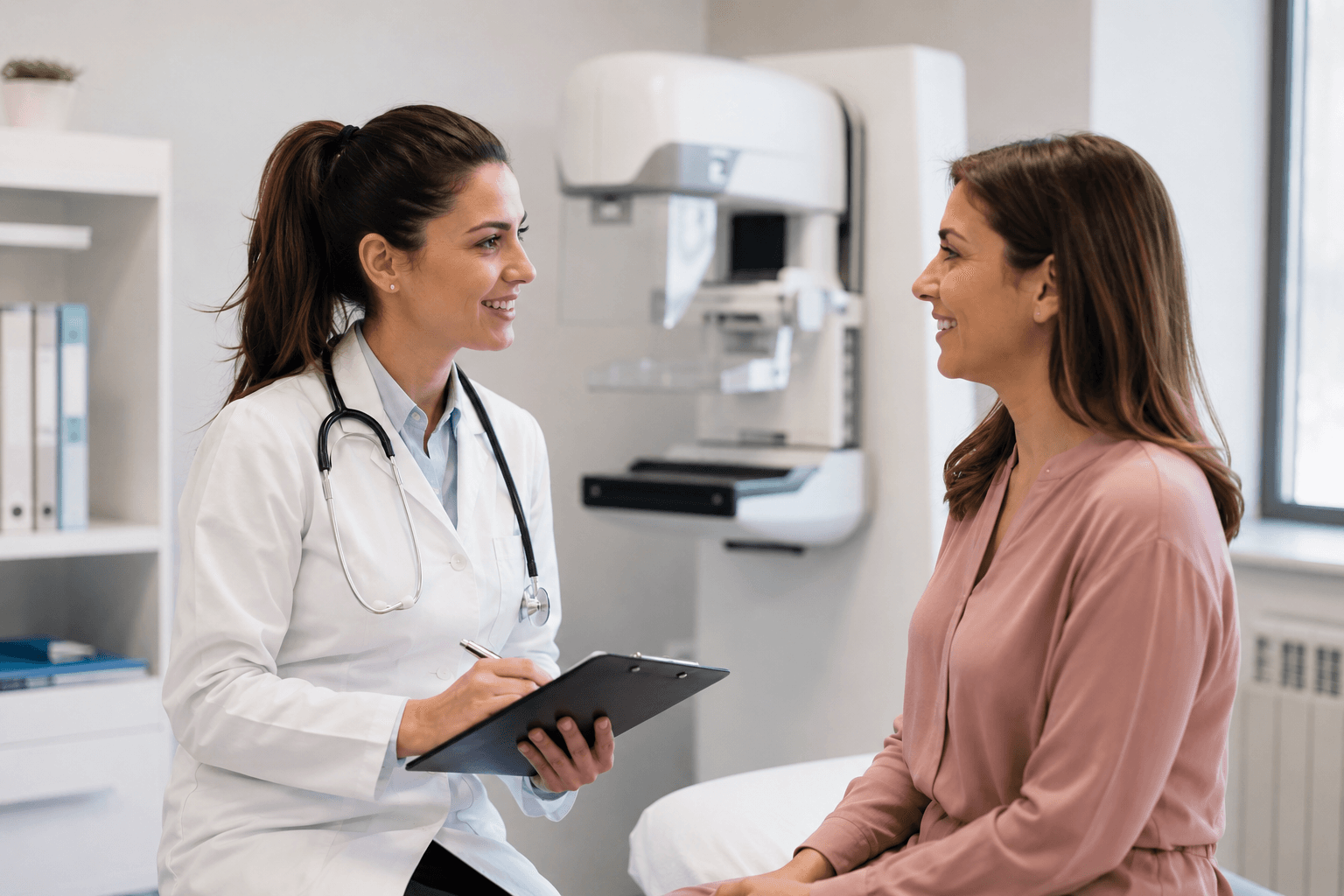
Preventive healthcare is one of the most powerful tools women have for protecting their long-term health. Many serious conditions, including high blood pressure, diabetes, osteoporosis, and certain cancers, can develop silently without noticeable symptoms. Regular health screenings allow potential concerns to be identified early, often before they become more difficult to treat.
Every woman's healthcare needs are unique and evolve with age, lifestyle, family history, and personal risk factors. Routine screenings, combined with annual well-woman visits, help create a personalized plan that supports lifelong wellness and healthy aging.
For women in Brea and throughout California, staying current with preventive health screenings is an important step toward maintaining overall health, independence, and quality of life.
Why Preventive Screenings Matter
Preventive screenings are designed to detect health conditions before symptoms develop. Early detection often leads to:
- More treatment options
- Better health outcomes
- Lower risk of complications
- Improved quality of life
- Greater peace of mind
Rather than waiting until illness appears, preventive care focuses on maintaining wellness and reducing future health risks.
1. Blood Pressure Screening
High blood pressure, also known as hypertension, is often called a "silent" condition because it may not cause noticeable symptoms.
Regular blood pressure checks can help identify elevated readings early, reducing the risk of:
- Heart disease
- Stroke
- Kidney disease
Most adults should have their blood pressure checked during routine healthcare visits, though your provider may recommend more frequent monitoring based on your health history.
2. Cholesterol Screening
High cholesterol increases the risk of cardiovascular disease but often develops without symptoms.
A cholesterol test measures:
- Total cholesterol
- HDL ("good") cholesterol
- LDL ("bad") cholesterol
- Triglycerides
The timing and frequency of testing depend on age, personal health, and family history.
3. Diabetes Screening
Type 2 diabetes may develop gradually and remain unnoticed for years.
Screening may include:
- Blood glucose testing
- Hemoglobin A1C testing
Women with risk factors such as obesity, family history, high blood pressure, or previous gestational diabetes may benefit from earlier or more frequent testing.
4. Cervical Cancer Screening
Cervical cancer screening plays an important role in identifying abnormal cervical cell changes before cancer develops.
Depending on your age and medical history, screening may include:
- Pap test (Pap smear)
- Human papillomavirus (HPV) testing
Your Health Care Provider will recommend an appropriate screening schedule based on current clinical guidelines and your individual risk factors.
5. Breast Cancer Screening
Routine breast health is an essential part of preventive care.
Breast cancer screening may include:
- Clinical breast examinations
- Mammography
- Additional imaging for women at higher risk when appropriate
Screening recommendations vary based on age, family history, and overall risk profile.
6. Bone Density Testing
After menopause, declining estrogen levels increase the risk of osteoporosis and fractures.
A bone density scan may help evaluate:
- Bone strength
- Fracture risk
- Need for preventive treatment
Women with additional risk factors may require earlier evaluation.
7. Colorectal Cancer Screening
Colorectal cancer screening helps detect precancerous growths and early-stage cancers.
Depending on your age and risk factors, screening options may include:
- Stool-based tests
- Colonoscopy
- Other approved screening methods
Your provider will recommend the most appropriate screening schedule for your situation.
8. Skin Cancer Screening
Regular skin examinations help identify suspicious moles or skin changes.
Women should:
- Perform routine self-examinations
- Report new or changing skin lesions
- Discuss concerns with a healthcare professional
Individuals with significant sun exposure or a family history of skin cancer may require more frequent evaluations.
9. Thyroid Screening
The thyroid gland regulates metabolism, energy, and many body functions.
Symptoms of thyroid disorders may include:
- Fatigue
- Weight changes
- Hair loss
- Temperature sensitivity
- Mood changes
Testing may be recommended based on symptoms, age, or family history.
10. Mental Health Screening
Mental wellbeing is an important part of overall health.
Routine discussions may include screening for:
- Anxiety
- Depression
- Chronic stress
- Sleep concerns
Early recognition allows women to access appropriate support and treatment when needed.
Screenings During Pregnancy
Pregnant women may also receive specialized preventive screenings throughout pregnancy, including evaluations for:
- Gestational diabetes
- High blood pressure
- Anemia
- Certain infections
- Fetal growth and development
Regular prenatal care helps protect both maternal and baby health.
Lifestyle Habits That Complement Preventive Care
Health screenings work best when combined with healthy daily habits.
Consider prioritizing:
- A balanced, nutrient-rich diet
- Regular physical activity
- Adequate sleep
- Stress management
- Avoiding tobacco products
- Limiting alcohol consumption
- Maintaining a healthy weight
These lifestyle choices support long-term health and may reduce the risk of chronic disease.
How Often Should You Be Screened?
There is no universal schedule that applies to every woman.
Screening recommendations depend on factors such as:
- Age
- Personal medical history
- Family history
- Pregnancy status
- Menopause
- Lifestyle
- Existing medical conditions
Your Health Care Provider or Holistic Care Provider can develop a personalized screening plan based on your individual health needs.
Make Preventive Care a Lifelong Priority
Preventive health screenings are one of the most valuable investments you can make in your future. They provide opportunities to detect health concerns early, monitor changes over time, and make informed decisions that support lifelong wellness. Even if you feel healthy today, routine screenings help ensure that hidden health issues do not go unnoticed.
By combining regular screenings with annual well-woman visits, healthy lifestyle choices, and open communication with your healthcare provider, you can take an active role in protecting your health through every stage of life.
Your health deserves proactive, personalized care—not just when symptoms arise. Work with a trusted Holistic Care Provider or Health Care Provider to create a preventive health plan tailored to your unique needs and life stage. Clinique Molière, Brea, CA | (714) 948-5655 — offers compassionate, comprehensive well-woman care and preventive health services designed to help you stay healthy, informed, and empowered for years to come.