
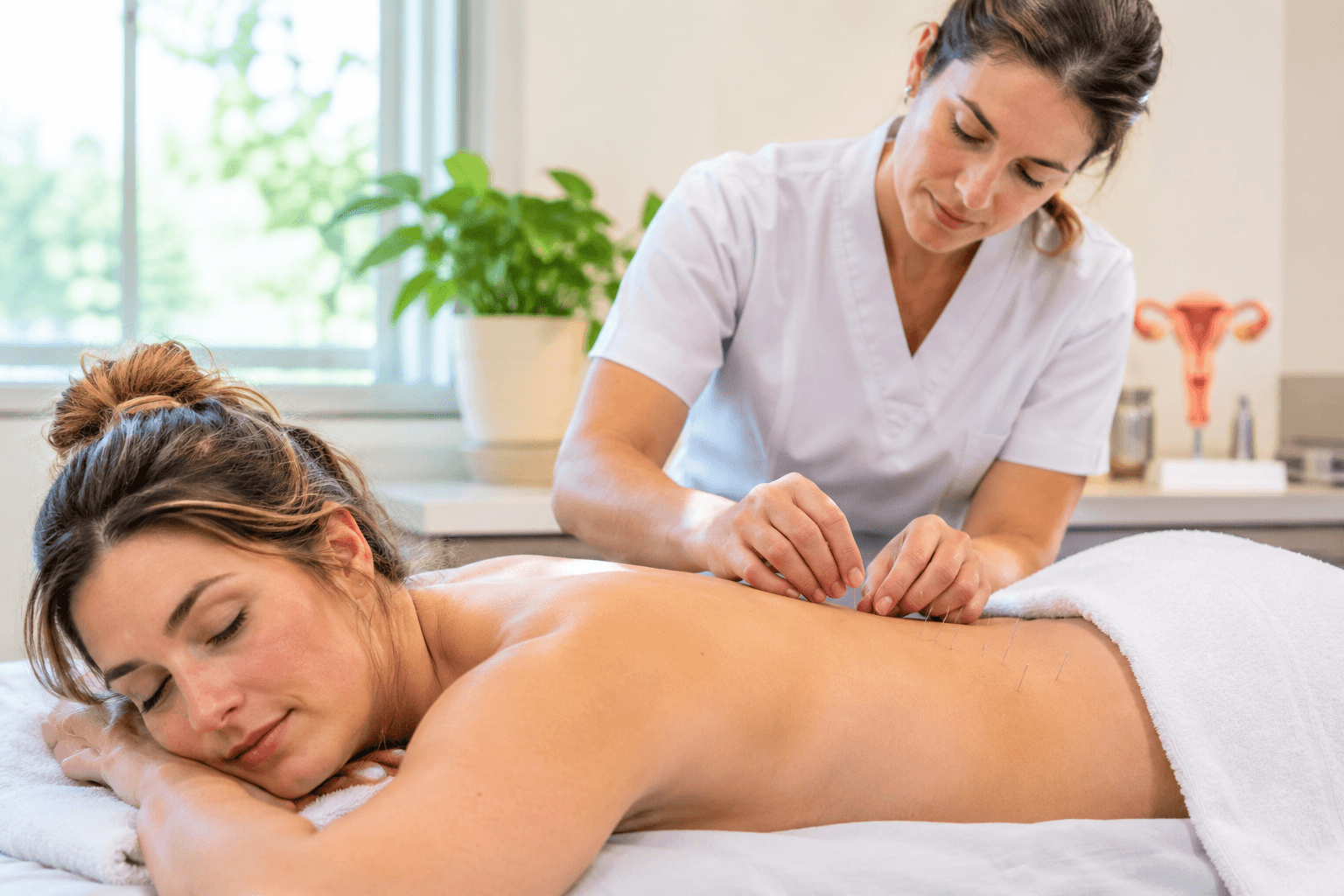
When trying to conceive, it is natural to explore different ways to support reproductive health. Alongside nutrition, lifestyle changes, and medical guidance, some women consider acupuncture as part of their fertility journey.
Acupuncture is an ancient practice that involves placing very fine needles at specific points on the body. Today, it is also being studied for its possible effects on the nervous system, circulation, stress response, and reproductive health.
But can acupuncture actually improve fertility? Researchers are exploring how it may influence blood flow around the reproductive organs and ovarian function. While some findings are encouraging, the evidence is not conclusive. Understanding what acupuncture may offer, and what it cannot promise, is important before adding it to your care plan.
How Acupuncture May Influence Pelvic Blood Flow
Healthy circulation helps deliver oxygen and nutrients to body tissues. The uterus and ovaries depend on a functioning blood supply to support their normal activities.
Some research suggests that acupuncture may influence circulation through its effects on the nervous system and the body's vascular responses. Stimulation of certain acupuncture points may affect nerve signaling and the release of substances involved in blood vessel activity.
Researchers have therefore explored whether acupuncture could influence blood flow to the uterus and ovaries.
However, it is important to distinguish a possible biological effect from a proven fertility benefit. Evidence that acupuncture improves reproductive blood flow does not automatically mean it increases the chance of pregnancy or live birth.
Understanding the Connection Between Acupuncture and Ovarian Function
The ovaries play an essential role in reproductive health. They release eggs during ovulation and produce hormones such as estrogen and progesterone, which help regulate the menstrual cycle.
Researchers have investigated whether acupuncture may influence hormonal signaling between the brain and ovaries. This communication involves the hypothalamus, pituitary gland, and reproductive organs.
Some small studies and reviews have reported changes in hormone measurements, including follicle-stimulating hormone (FSH), or in markers such as antral follicle count. However, results vary, and improvements in these measurements do not necessarily translate into better fertility outcomes.
Acupuncture should therefore not be considered a treatment that restores ovarian reserve, reverses age-related fertility changes, or guarantees ovulation.
Can Acupuncture Help Women Trying to Conceive?
Acupuncture may be appealing to women looking for a complementary approach to reproductive wellness. Some women also find the treatment relaxing, which can be valuable during an emotionally demanding period.
Research into acupuncture and fertility has produced mixed results. A large randomized clinical trial involving 824 women undergoing IVF found no significant difference in live birth rates between women receiving acupuncture and those receiving sham acupuncture.
Other reviews have explored possible benefits for women with diminished ovarian reserve or ovulatory disorders, but study quality and results vary. More well-designed research is needed before acupuncture can be recommended as a proven fertility treatment.
For now, it is best viewed as a possible complementary wellness option rather than a replacement for fertility assessment or established treatment.
Acupuncture, Stress, and Emotional Well-Being
Trying to conceive can involve uncertainty, repeated appointments, and emotional ups and downs. Stress does not mean a woman is responsible for difficulty conceiving, and relaxation alone cannot resolve an underlying fertility condition.
Still, emotional well-being deserves attention.
Some women find acupuncture sessions calming. The quiet environment and time dedicated to personal care may help them feel more relaxed. Research has also explored acupuncture's potential effects on nervous system activity and anxiety, although individual experiences differ.
Other supportive practices include gentle yoga, breathing exercises, regular physical activity, adequate sleep, and talking openly with a partner or trusted professional.
What to Expect During a Fertility Acupuncture Session
A session usually begins with a discussion of your health history, menstrual cycle, current symptoms, and fertility goals. The practitioner then selects appropriate acupuncture points based on your individual circumstances.
Very fine, sterile, single-use needles are placed at selected points. Some people experience a mild tingling sensation or temporary discomfort, while others find the session relaxing.
The number and frequency of sessions vary. There is no universally established acupuncture schedule for improving fertility, so be cautious of anyone promising a guaranteed result after a fixed number of treatments.
Choose a properly qualified and licensed practitioner who follows appropriate hygiene and safety standards. Discuss treatment with your Health Care Provider, particularly if you are undergoing fertility medication or assisted reproductive treatment.
Is Acupuncture Safe During Fertility Treatment?
Acupuncture is generally associated with minor side effects, such as temporary soreness, bruising, or slight bleeding. More serious complications are uncommon but can occur, particularly when treatment is performed incorrectly.
Before beginning, tell your practitioner about:
- Fertility medicines and hormone treatments.
- Existing medical conditions.
- Bleeding disorders or blood-thinning medication.
- Possible or confirmed pregnancy.
- Any previous reactions to acupuncture.
If you are pregnant or may be pregnant, make sure the practitioner knows. Treatment should be adapted appropriately, and certain points or techniques may need to be avoided.
Most importantly, acupuncture should not delay fertility testing or replace recommended medical treatment.
A Balanced Approach to Reproductive Wellness
Fertility is influenced by many factors, including age, ovulation, reproductive anatomy, sperm health, and general well-being. No single complementary therapy can address every possible cause of difficulty conceiving.
A thoughtful approach may include preconception nutrition, cycle awareness, appropriate medical evaluation, and emotional support. Acupuncture may be considered alongside these measures if it fits your preferences and is approved by your care team.
At Clinique Molière in Brea, CA, women can explore integrative women's wellness and acupuncture as part of a broader conversation about reproductive health and personal care. If you are considering acupuncture while trying to conceive, call (714) 948-5655 to discuss your questions and explore supportive options for your fertility journey.