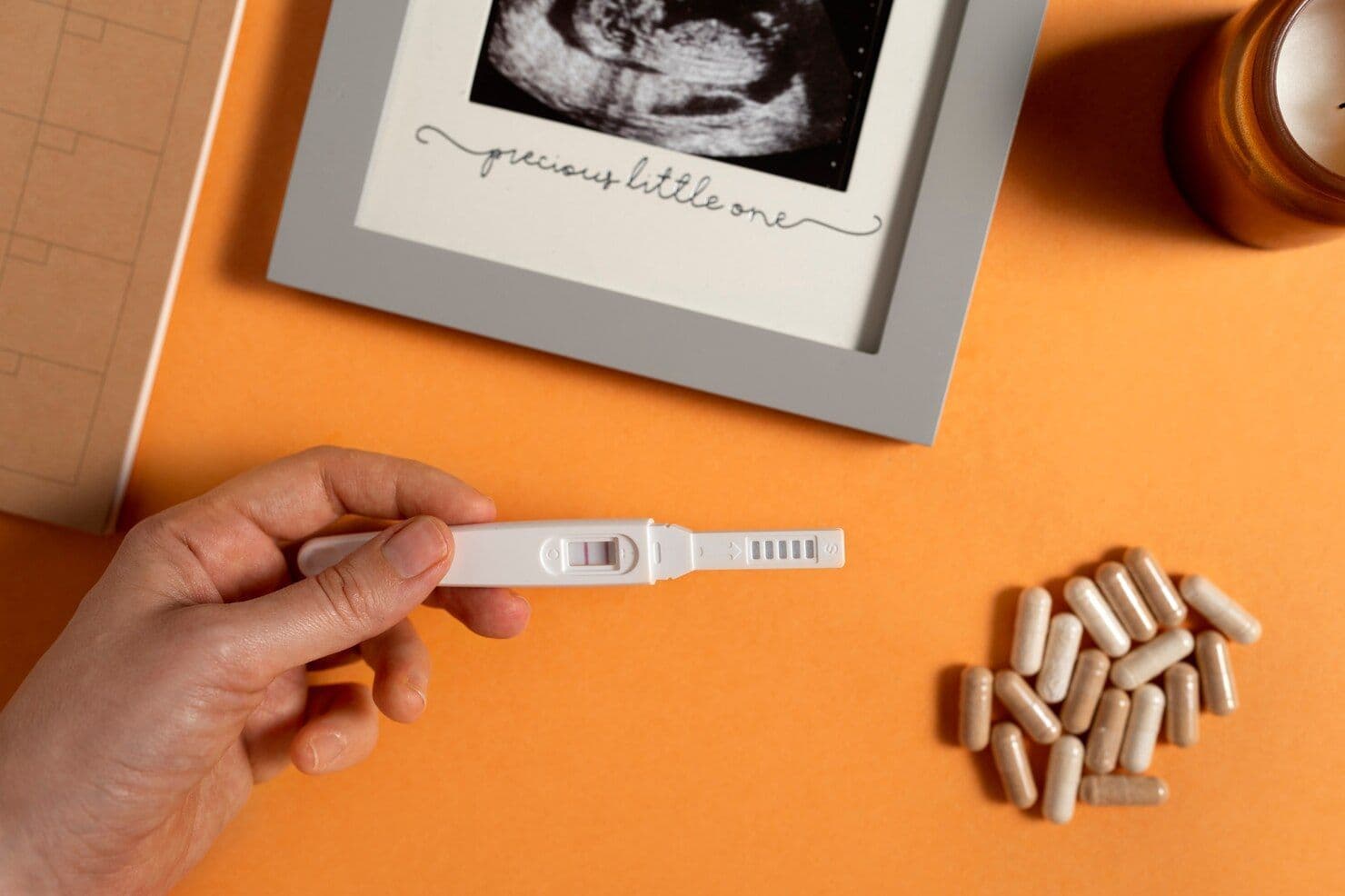
For many families, the postpartum period is a sacred time of healing, bonding, and deep transformation. After pregnancy and birth, nourishing the body and mind becomes a priority—especially for women seeking gentle, holistic support as they recover. Placenta encapsulation has become a meaningful option for those looking to honor this chapter with nourishment that supports postpartum wellness, hormonal balance, and emotional resilience.
Choosing the right placenta encapsulation specialist is an important decision. In California—the birthplace of many holistic maternity trends—there are certified professionals offering placenta services with safety, integrity, and care. This guide will help you understand what placenta encapsulation is, why certification matters, and how to find a specialist who aligns with your values and needs.
What Is Placenta Encapsulation?
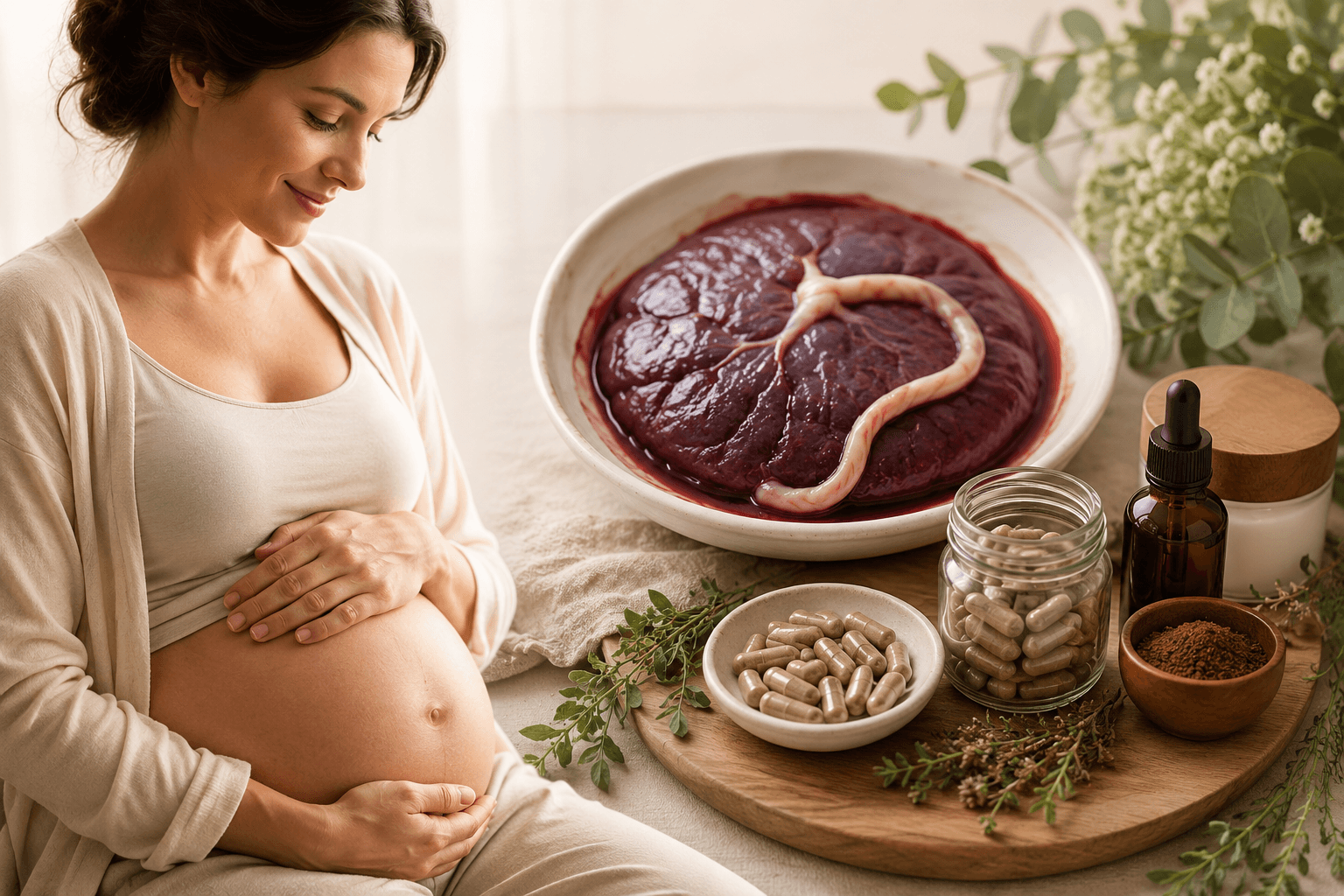
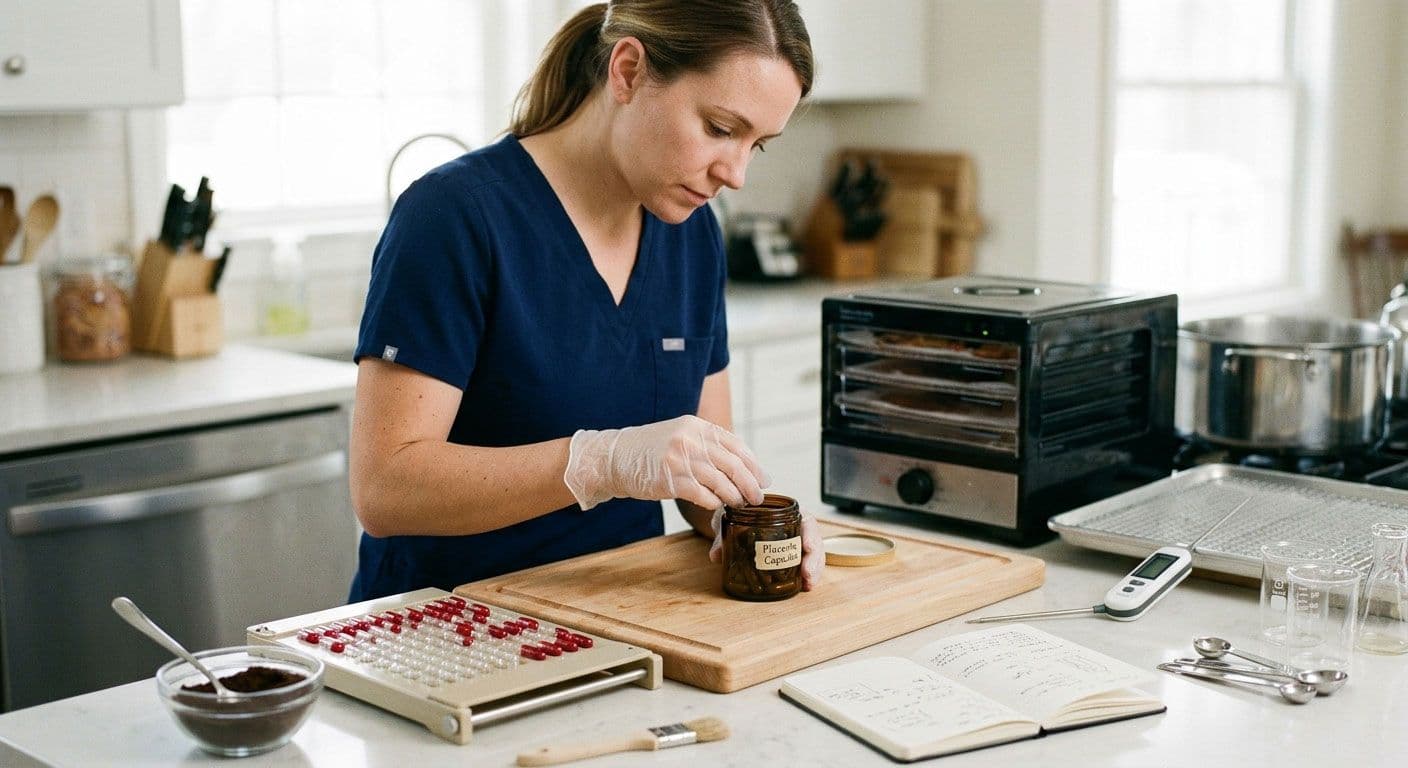
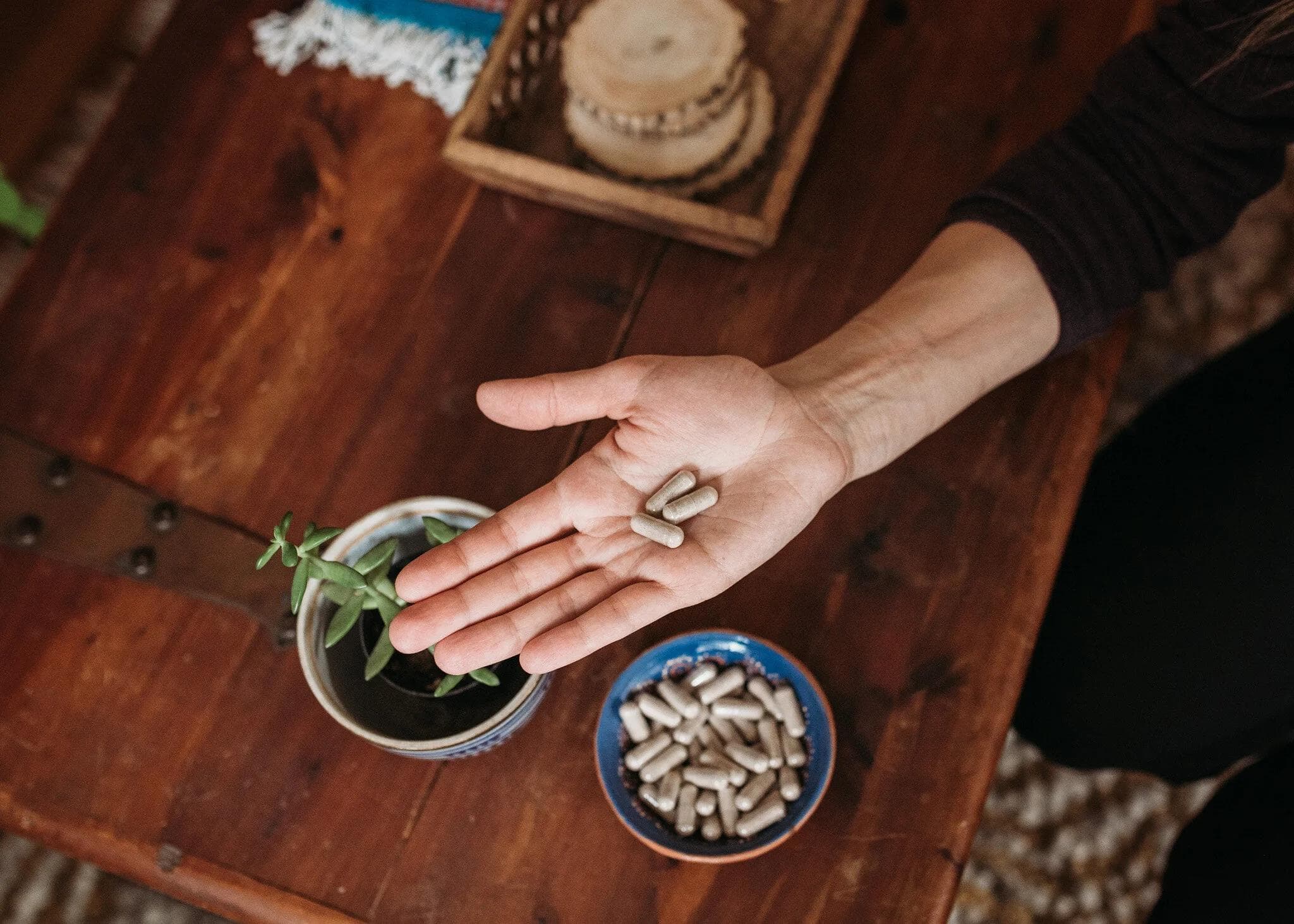
Placenta encapsulation is the process of preparing the placenta after birth, typically by steaming, dehydrating, and grinding it into a powder that is then placed into capsules for oral use. Many women choose encapsulation as part of their postpartum wellness plan, aiming to support energy, hormonal transition, and emotional balance during the early weeks after birth.
It’s important to remember that experiences vary, and scientific research is evolving. What matters most is that the process is done safely and respectfully by a trained professional, with strict attention to hygiene and client comfort.
Why Certification Matters
When choosing a placenta encapsulation specialist, certification and proper training should be top priorities. A certified specialist has undergone formal education that covers:
- Safe handling and sanitation protocols
- Understanding of bloodborne pathogens and infection prevention
- Proper preparation methods (such as raw or steamed encapsulation)
- Documentation and client communication best practices
- Storage and transport guidelines that comply with health standards
Certification does not simply represent a piece of paper—it reflects a commitment to safety, ongoing education, and ethical care.
Key Qualifications to Look For
1. Recognized Training Programs
Ensure the specialist has completed training through established placenta encapsulation certification programs. California does not regulate placenta services at the state level, which means families must assess training quality themselves. Look for programs that include:
- Bloodborne pathogens and sanitation coursework
- Hands-on or supervised practice
- Clear standards for hygiene and professional conduct
- Reference materials and ongoing education
2. Insurance and Liability Coverage
Professional liability insurance demonstrates that a specialist takes their work seriously and is prepared to protect clients and themselves. Insurance can also reflect accountability and commitment to professional standards.
3. Clear Communication and Consent Practices
A certified specialist should provide clear, compassionate communication from the first contact. This includes:
- Explaining the encapsulation process step-by-step
- Discussing risks, benefits, and alternatives
- Providing consent forms and detailed instructions
- Answering questions without judgment
Good communication helps you feel informed and respected throughout the process.
4. Sanitation and Safety Protocols
Safety during handling is non-negotiable. A quality specialist will be transparent about:
- Clean workspace protocols
- Use of medical-grade supplies
- Temperature control and storage procedures
- Separation of placenta from other food preparation areas
Never hesitate to ask how they maintain safety and hygiene—it’s your right as a client.
Questions to Ask Before Hiring a Specialist
Before choosing a placenta encapsulation specialist, consider asking:
- Where did you receive your certification or training?
- How many placentas have you prepared?
- What safety and sanitation measures do you follow?
- Do you offer raw vs. steamed encapsulation, and how do you explain the difference?
- Can you provide references or testimonials from other clients?
- What is your turnaround time after birth?
- Do you handle placenta delivery, pickup, and return logistics?
Their answers will help you gauge professionalism, preparedness, and how comfortable you feel with their approach.
Local Considerations in California
California offers a rich community of holistic maternity professionals, including placenta encapsulation specialists. However, because services are not licensed by the state, word-of-mouth recommendations—especially from trusted Holistic Care Providers, doulas, or childbirth education networks—can be invaluable.
You may also check with local women’s wellness groups in Brea, Los Angeles County, and neighboring cities for trusted referrals and personal experiences.
What to Expect During the Encapsulation Process
While each specialist may vary, a typical placenta encapsulation process involves these steps:
- Client Intake and Consent – You share your preferences, health information, and plan for placenta handling.
- Placenta Collection – After birth, the placenta is collected according to previously arranged logistics (hospital, birthing center, or home birth).
- Preparation – The specialist prepares the placenta using chosen methods (raw or steamed).
- Encapsulation – Once dehydrated and processed, the placenta powder is placed into capsules.
- Return to Client – Capsules are returned with instructions on use, storage, and suggested guidelines.
Every specialist should walk you through these steps so you feel confident and supported.
Tips for a Positive Experience
- Plan ahead: Contact potential specialists early in pregnancy to secure availability.
- Ask for referrals: Trusted recommendations add confidence.
- Discuss your preferences: Some women have spiritual, cultural, or personal wishes—make sure your specialist respects them.
- Prepare logistics: Clarify how the placenta will be collected and transported to ensure safety and comfort.
- Consider packaging and labeling: Clear labeling helps with ease of use and peace of mind.
A Supportive Postpartum Choice
Choosing a certified placenta encapsulation specialist is about more than a service—it’s about creating a supportive postpartum plan that honors your body, your recovery, and your journey into motherhood. With thoughtful research, clear communication, and a trusted partner by your side, you can feel grounded and confident in your choice.
Your postpartum period deserves nourishment, care, and respect. If you are in California and want guidance on holistic postpartum practices including placenta encapsulation, working with experienced and compassionate professionals can make all the difference. Your pregnancy and postpartum time is a profound experience—let it be met with informed choices and wholehearted support. Your pregnancy is a time of growth, strength, and love. Don’t let stress take away your peace. Work with a trusted Holistic Care Provider or Health Care Provider to build confidence, balance, and well-being at every stage of your journey with Clinique Molière, Brea, CA | 📞 (714) 948-5655.