Choosing a home birth is a deeply personal decision that reflects a desire for comfort, control, and a natural environment. For many families in Brea, home birth offers a calm and familiar setting to welcome their baby. However, one of the most important aspects of planning a home birth is understanding how emergencies are prepared for and managed.
A well-planned home birth is not about avoiding medical care—it is about integrating safety, awareness, and readiness into a holistic birth experience. When emergency preparedness is prioritized, families can approach home birth with greater confidence and peace of mind.
Understanding Safety in Home Births
Home births are typically recommended for low-risk pregnancies, where both mother and baby are healthy. A qualified midwife or Health Care Provider carefully assesses whether home birth is a safe option based on medical history and current pregnancy conditions.
Safety in home birth includes:
- Ongoing prenatal assessments
- Monitoring maternal and fetal health
- Identifying risk factors early
- Creating a clear emergency plan
This proactive approach ensures that potential complications are anticipated and addressed quickly.
The Role of a Skilled Birth Attendant
Having an experienced and trained care provider is essential for a safe home birth. Midwives and trained birth professionals are equipped to monitor labor, recognize warning signs, and respond to unexpected situations.
They are trained to:
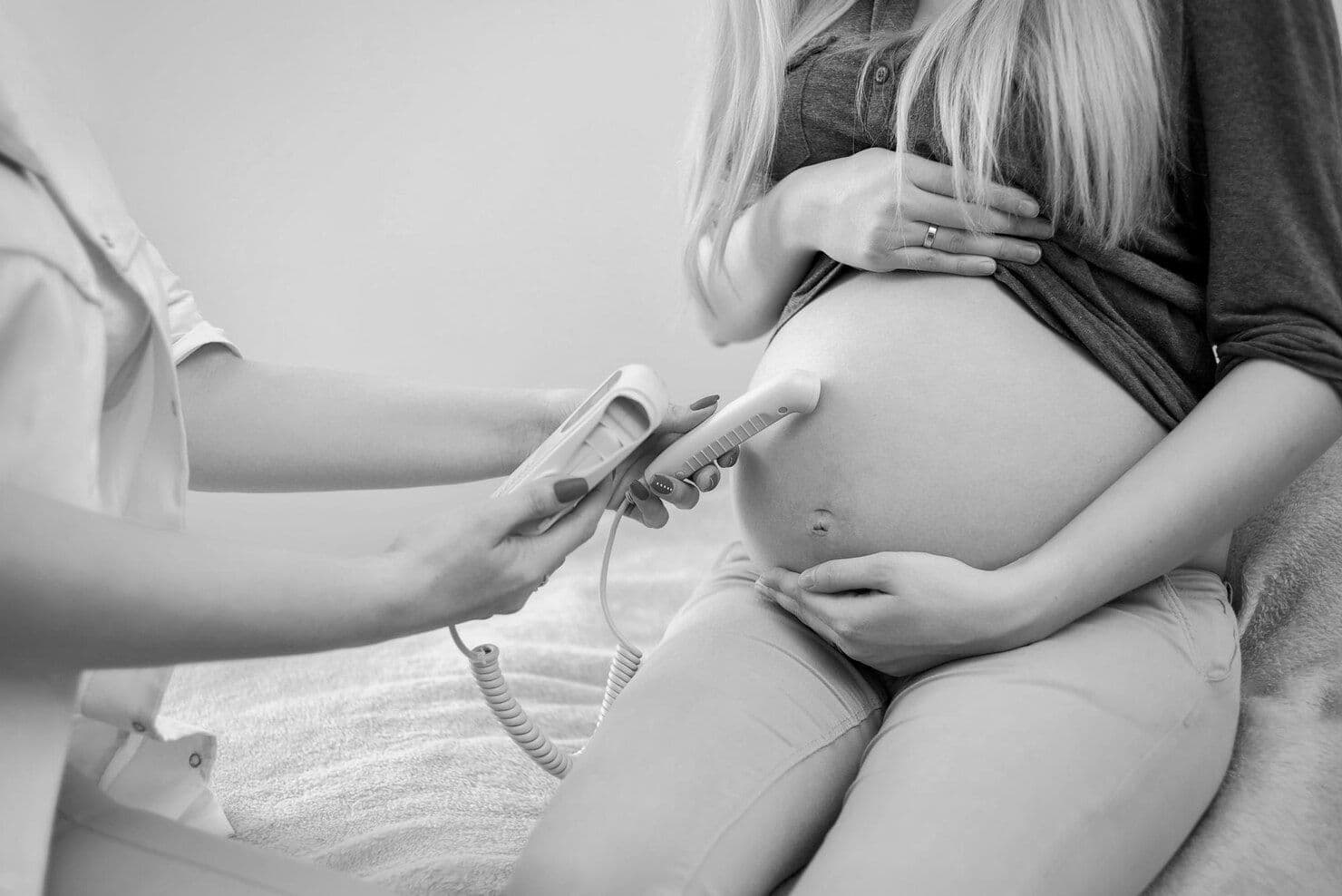
- Monitor vital signs and fetal heart tones
- Assess labor progression
- Identify signs of complications early
- Initiate appropriate responses when needed
Their presence provides both clinical awareness and emotional reassurance throughout labor.
Common Situations That May Require Transfer
While many home births proceed without complications, certain situations may require transfer to a hospital for additional care.
These may include:
- Prolonged or stalled labor
- Signs of fetal distress
- Excessive bleeding
- High blood pressure or other medical concerns
- Need for pain management beyond what is available at home
Recognizing these situations early allows for timely and safe transfer.
Creating a Clear Transfer Plan
One of the most important elements of emergency preparedness is having a well-defined transfer plan in place before labor begins.
A comprehensive plan includes:
- Identifying the nearest hospital
- Planning transportation (car availability, route, timing)
- Having essential documents ready
- Ensuring communication between your birth team and hospital staff
Knowing exactly what steps to take reduces stress and ensures a smooth transition if needed.
Emergency Equipment and Supplies
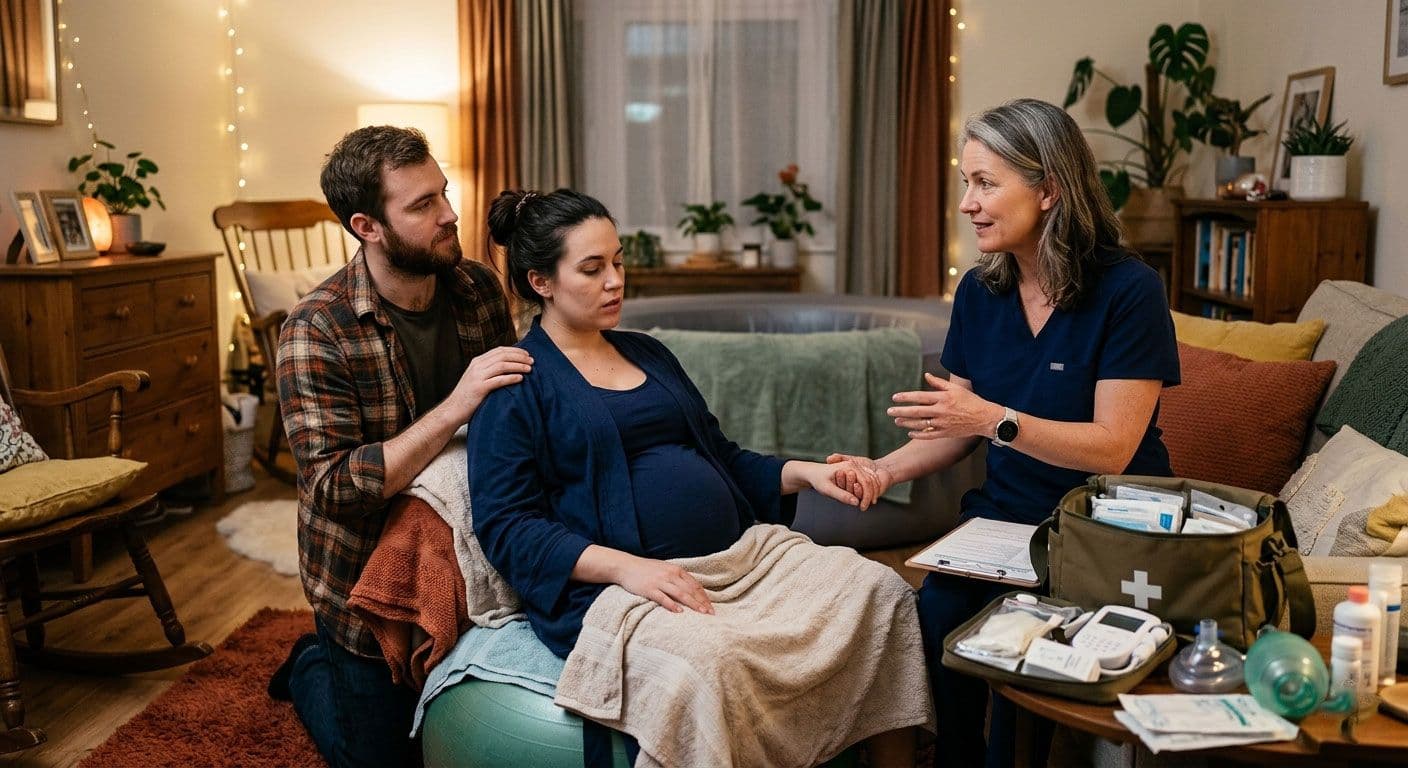
Qualified midwives bring essential equipment to a home birth to manage routine care and certain emergencies.
This may include:
- Equipment to monitor maternal and fetal wellbeing
- Supplies to manage bleeding
- Oxygen and resuscitation tools for newborn care
- Sterile instruments and basic medications
Having these resources readily available enhances safety and preparedness.
Communication and Team Coordination
Effective communication is key during any birth, especially in a home setting. Your birth team should maintain clear and calm communication with you, your partner, and any additional care providers.
Coordination may involve:
- Keeping you informed during labor
- Communicating with emergency services if needed
- Coordinating with hospital staff during transfer
A well-coordinated team ensures that decisions are made quickly and confidently.
Emotional Preparedness for Unexpected Changes
Part of holistic birth preparation includes emotional readiness for the unexpected. Even with the best planning, situations may arise that require changes to your birth plan.
Preparing emotionally helps you:
- Stay calm if circumstances change
- Trust your care team’s recommendations
- Focus on safety rather than disappointment
- Maintain a positive perspective on your birth experience
Flexibility is an important part of a safe and empowering birth journey.
Balancing Comfort With Safety
Home birth offers a unique combination of comfort and personalization, but it must always be balanced with safety considerations. When emergency preparedness is thoughtfully planned, families can enjoy the benefits of a home environment without compromising on care.
This balance allows women to feel both relaxed and reassured throughout labor.
Making an Informed and Confident Choice
Choosing a home birth is about understanding both the benefits and the responsibilities that come with it. By asking questions, planning ahead, and working with experienced providers, you can create a birth plan that prioritizes safety and aligns with your values.
A well-prepared home birth is not about eliminating risk—it is about managing it with knowledge, preparation, and support.
Preparing for Birth With Confidence
Your birth experience should feel safe, supported, and aligned with your vision. Emergency preparedness is a key part of that confidence, allowing you to focus on the beauty of the moment while knowing you are in capable hands.
Your pregnancy is a time of growth, strength, and love. Don’t let stress take away your peace. Work with a trusted Holistic Care Provider or Health Care Provider to build confidence, balance, and well-being at every stage of your journey. Clinique Molière, Brea, CA | (714) 948-5655 — and step into your home birth experience feeling prepared, reassured, and truly empowered.