
When it comes to vaginal and uterine health, most women hear one piece of advice over and over again: “Just do your Kegels.” While pelvic floor exercises can be helpful, they are only one small part of a much larger picture. True vaginal and uterine wellness requires a holistic, whole-body approach that honors the deep connection between muscles, hormones, emotions, posture, nutrition, and the nervous system.
A healthy pelvis is not just about strength—it’s about balance, circulation, flexibility, relaxation, and awareness. Moving beyond Kegels allows women to support their reproductive health in a more sustainable and empowering way.
Understanding Vaginal and Uterine Wellness Holistically
The vagina and uterus are not isolated organs. They are influenced by:
- Hormonal balance
- Pelvic alignment and posture
- Core and hip stability
- Emotional stress
- Breath patterns
- Circulation and lymphatic flow
- Nervous system regulation
When one of these areas is out of balance, symptoms may arise such as pelvic discomfort, heaviness, painful intimacy, menstrual irregularities, bladder issues, or tension that doesn’t resolve with exercise alone.
Holistic care focuses on restoring harmony rather than simply strengthening muscles.
Why Kegels Alone Are Not Enough
Kegels focus on repeated contraction of the pelvic floor muscles. While beneficial for some women, overemphasis on Kegels can actually create problems when the pelvic floor becomes too tight or restricted.
Possible issues with Kegels-only approaches include:
- Increased pelvic tension
- Difficulty relaxing the pelvic floor
- Pain during intimacy
- Worsening pressure or discomfort
- Incomplete bladder emptying
Many women need relaxation and lengthening, not just strengthening.
The Role of Breath in Pelvic Health
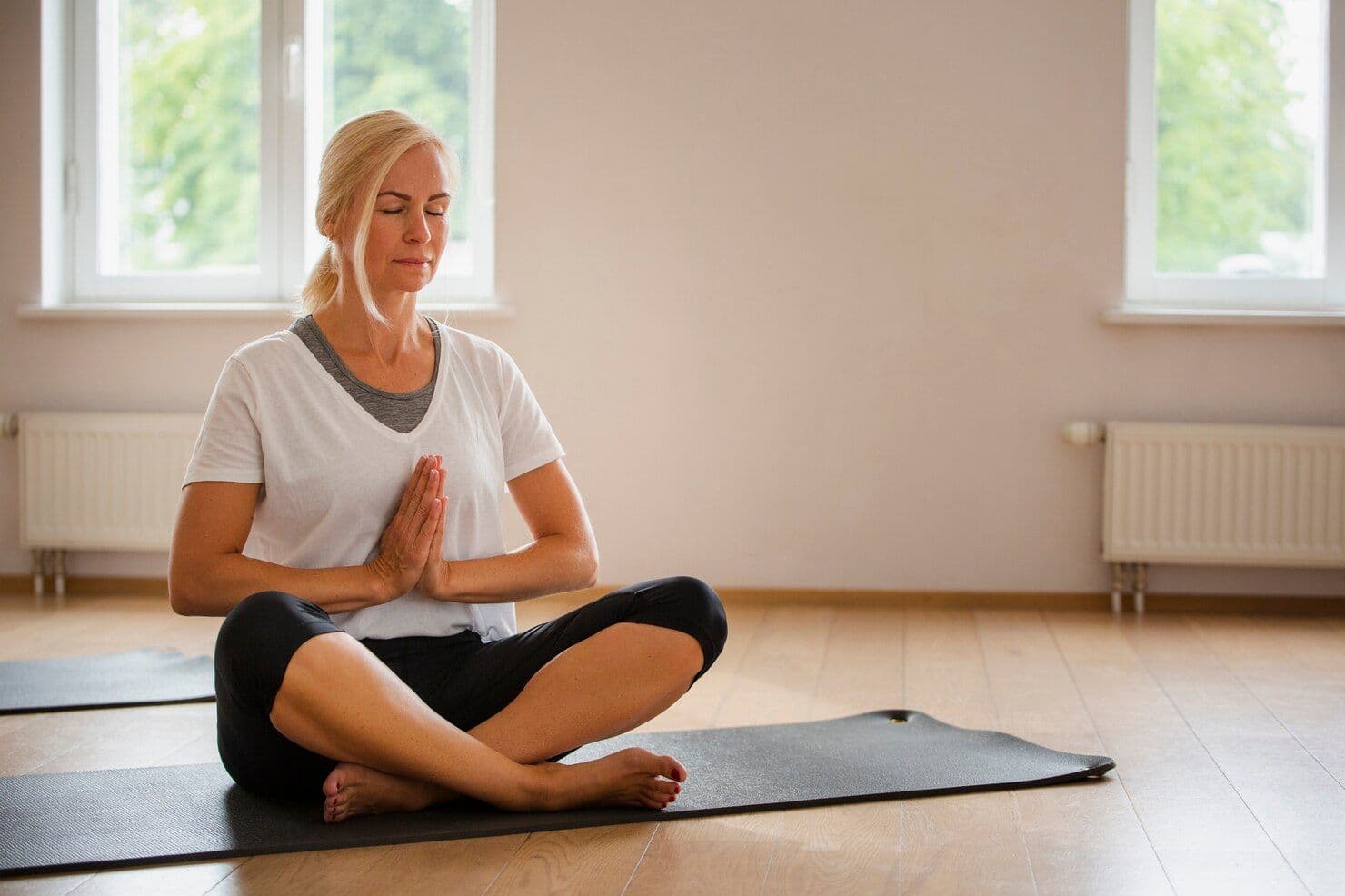
Breathing patterns play a critical role in vaginal and uterine wellness. Shallow chest breathing increases pelvic tension, while deep diaphragmatic breathing supports relaxation and circulation.
Benefits of breath-focused pelvic care include:
- Improved oxygen flow to pelvic tissues
- Reduced muscular tension
- Better coordination between diaphragm and pelvic floor
- Support for uterine circulation
Slow, mindful breathing teaches the pelvic floor when to engage and when to release—something Kegels alone cannot achieve.
Posture and Alignment Matter More Than You Think
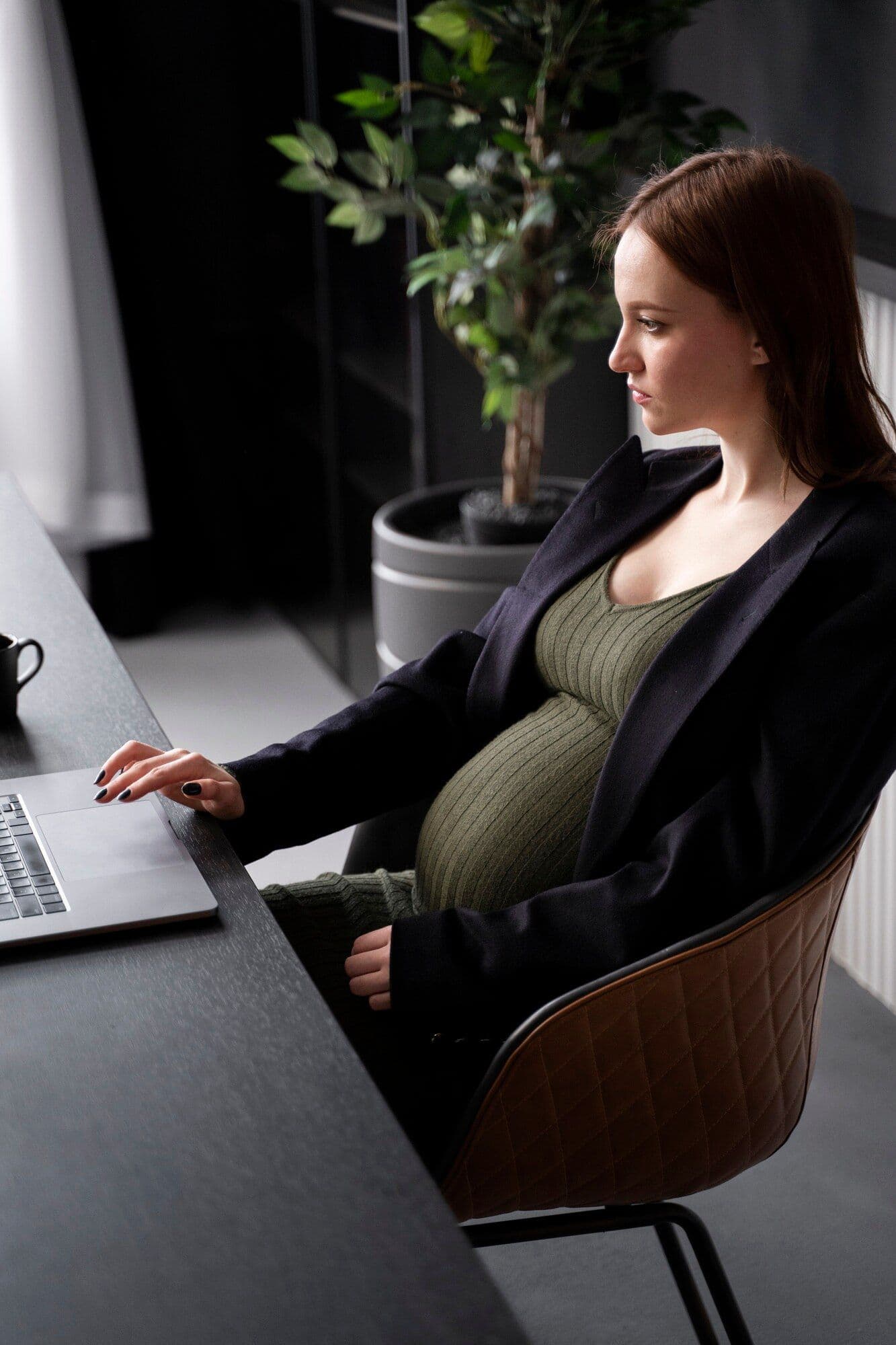
Pelvic health is deeply connected to posture. Poor alignment places constant pressure on the uterus and pelvic floor.
Common contributors include:
- Prolonged sitting
- Slouched posture
- Weak core support
- Tight hip flexors
- Poor body mechanics during daily activities
A holistic approach addresses posture through gentle movement, awareness, and supportive exercises that distribute pressure evenly throughout the pelvis.
Gentle Movement for Pelvic Balance
Rather than isolating the pelvic floor, holistic movement integrates the entire body.
Helpful movement practices may include:
- Pelvic tilts
- Hip circles
- Gentle squats
- Cat-cow stretches
- Walking with mindful posture
- Prenatal or restorative yoga
These movements improve blood flow, flexibility, and neuromuscular coordination—essential elements of uterine and vaginal wellness.
Hormonal Balance and Uterine Health
Hormones influence tissue tone, lubrication, circulation, and inflammation. Stress, sleep deprivation, poor nutrition, and chronic tension can disrupt hormonal balance, affecting pelvic health.
Supporting hormones holistically includes:
- Nutrient-dense whole foods
- Healthy fats for tissue repair
- Adequate hydration
- Stress management
- Restorative sleep
- Emotional well-being
When hormones are supported, pelvic tissues respond more effectively to movement and care.
Emotional and Nervous System Connection
The pelvis is a place where many women hold emotional stress. Trauma, fear, anxiety, and past experiences can all contribute to chronic pelvic tension.
Holistic pelvic care recognizes:
- The connection between emotional safety and muscle relaxation
- The importance of nervous system regulation
- The value of gentle, respectful touch and movement
- The need for self-awareness and compassion
Relaxation techniques, mindfulness, and emotional support are often just as important as physical exercises.
Daily Habits That Support Vaginal and Uterine Wellness
Small lifestyle changes can have a powerful impact over time.
Helpful daily practices include:
- Avoiding excessive straining
- Staying hydrated
- Practicing mindful posture
- Listening to bodily signals
- Creating moments of rest
- Engaging in regular gentle movement
Consistency—not intensity—is what creates lasting pelvic health.
When Personalized Guidance Makes the Difference
Every woman’s body is unique. Pregnancy history, birth experiences, hormonal shifts, and lifestyle factors all influence pelvic wellness.
Working with a knowledgeable Health Care Provider or Holistic Care Provider allows women to receive guidance that considers:
- Individual anatomy
- Life stage
- Symptoms and goals
- Emotional well-being
- Long-term reproductive health
Personalized care ensures the approach supports healing rather than creating further tension.
Vaginal and uterine wellness goes far beyond Kegels. True pelvic health is built through balance, breath, movement, hormonal support, emotional awareness, and nervous system regulation. When women shift from isolated exercises to a holistic approach, they often experience improved comfort, confidence, and connection with their bodies. For those seeking compassionate, individualized pelvic and reproductive wellness care guided by a trusted Health Care Provider or Holistic Care Provider, Clinique Molière in Brea, CA at (714) 948-5655 offers holistic support designed to nurture women’s health at every stage of life.